7 key benefits of biostimulants for healthier gardens
Your tomatoes look pale despite regular feeding, your roses wilt under summer heat, and those transplanted shrubs just won’t take off. You’ve tried every fertilizer on the shelf, but something’s still missing. The answer might not be more nutrients, it’s helping your plants use what they already have more efficiently. Biostimulants work at the cellular level to activate natural stress responses, boost nutrient uptake, and strengthen plants from within. This article explores seven science-backed benefits that make biostimulants essential tools for home gardeners seeking healthier, more resilient plants.
Table of Contents
- Key takeaways
- How biostimulants enhance nutrient use and plant growth
- Stress tolerance and antioxidant benefits for plants
- Biostimulants improve yield and quality: evidence from crops
- Enhance your garden with science-backed biostimulants
- Frequently asked questions
Key Takeaways
| Point | Details |
|---|---|
| Nutrient use efficiency | Biostimulants improve how plants use existing nutrients rather than adding more nutrients to the soil. |
| Amino acid yield boost | Amino acid biostimulants increased tomato yields by roughly 22 percent under water deficit, due to improved physiological function rather than added nutrients. |
| Growth processes triggered | Biostimulants trigger multiple growth processes such as enhanced photosynthesis, higher enzyme activity, faster cell division, and stronger root formation. |
| Regular application cadence | Apply biostimulants every two to four weeks for cumulative benefits, with consistency outperforming occasional heavy applications. |
| Organic vs non organic | Organic biostimulants outperform non organic formulations in trials and offer a broader mix of bioactive compounds, soil health benefits, and lower risk of imbalances. |
How biostimulants enhance nutrient use and plant growth
Biostimulants work differently than traditional fertilizers. Instead of adding more nutrients to soil, they activate physiological processes that help plants extract and utilize existing nutrients more efficiently. This approach addresses a fundamental problem: most fertilizers provide nutrients, but stressed or inefficient plants can’t absorb them effectively. Biostimulants enhance nutrient use efficiency by stimulating metabolic pathways independent of nutrient content itself.
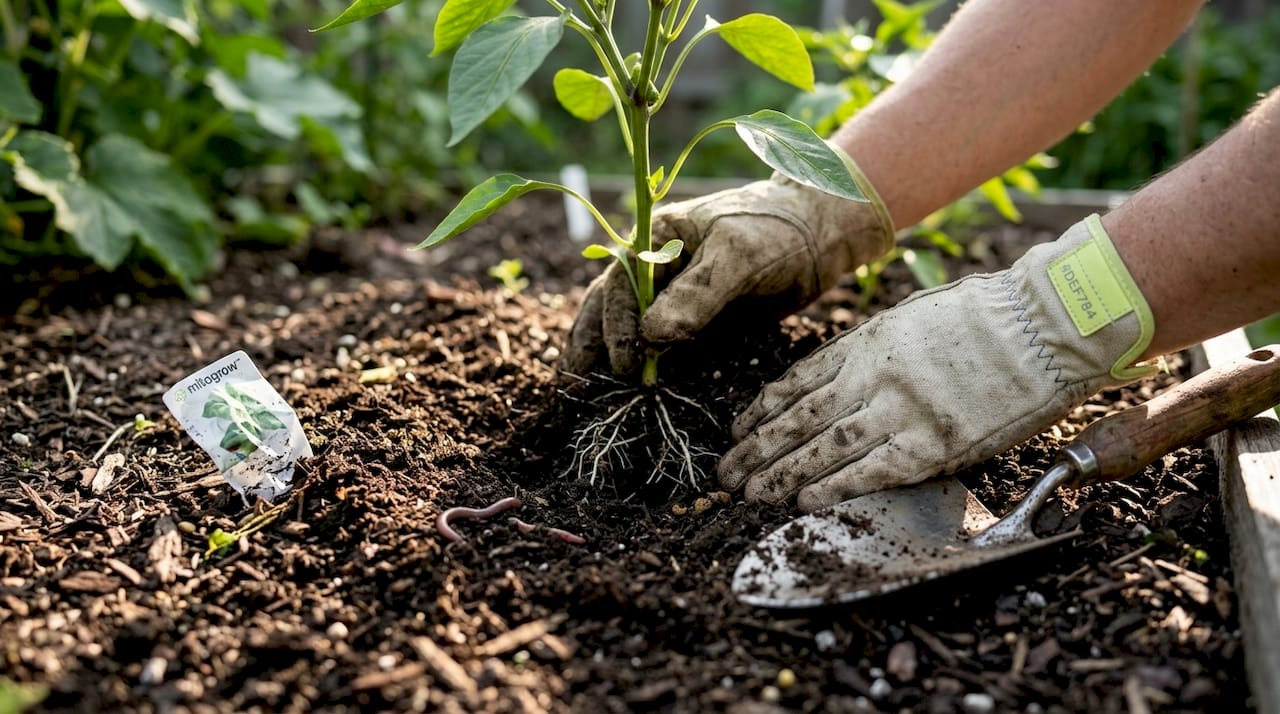
Research demonstrates impressive results. Tomato plants treated with amino acid biostimulants showed 22% higher yields even under water deficit conditions compared to untreated controls. This performance gain came from improved physiological function, not additional nutrients. The plants simply worked smarter, making better use of available resources during challenging conditions.
Biostimulants trigger multiple growth processes simultaneously:
- Enhanced photosynthesis rates through improved chlorophyll production
- Increased enzyme activity for better metabolic efficiency
- Accelerated cell division and expansion for faster growth
- Improved root formation and branching for nutrient access
Pro Tip: Apply biostimulants every 2 to 4 weeks throughout the growing season for cumulative benefits. Consistency matters more than concentration, regular low doses outperform occasional heavy applications.
The mechanism centers on cellular signaling. Biostimulants contain compounds that plants recognize as beneficial signals, triggering responses that optimize resource allocation. Your plants essentially shift into high-performance mode, directing energy toward growth and resilience rather than survival maintenance.
Stress tolerance and antioxidant benefits for plants
Home gardens face constant environmental challenges. Summer heat waves, inconsistent watering, poor soil, and temperature swings create abiotic stress that weakens plants and reduces productivity. Biostimulants strengthen plants against these challenges through sophisticated cellular defense mechanisms.
The science centers on oxidative stress management. When plants experience drought, heat, or salinity, they generate reactive oxygen species that damage cellular structures. Healthy plants counter this with antioxidant enzymes and protective compounds. Biostimulants activate antioxidant systems through multiple pathways, including enzyme production, osmolyte accumulation, and hormone modulation.
Common garden stresses that biostimulants help mitigate:
- Drought and irregular watering patterns
- Heat stress during summer months
- Cold snaps and temperature fluctuations
- Poor soil conditions and salinity
- Transplant shock and root disturbance
Research on beetroot microgreens illustrates the protective effect. Plants treated with biostimulants showed significantly higher levels of superoxide dismutase, catalase, and peroxidase enzymes that neutralize damaging oxygen radicals. They also accumulated more proline and soluble sugars, compounds that stabilize cell membranes and proteins under stress.
Biostimulants work through molecular signaling pathways that extend far beyond simple nutrition. They reprogram plants at the genetic level to activate stress response genes, producing protective compounds before damage occurs. This proactive defense is fundamentally different from fertilizers that only provide raw materials.
The practical impact shows in your garden. Biostimulant-treated plants maintain growth during heat waves when untreated neighbors wilt. They recover faster from accidental drought. Transplants establish quicker with less shock. You’re not just feeding plants, you’re training them to handle whatever conditions come their way.
Pro Tip: Apply biostimulants before expected stress periods. Treating plants two weeks before a heat wave or transplanting provides better protection than waiting until stress symptoms appear.
Biostimulants improve yield and quality: evidence from crops
Better growth and stress tolerance translate directly to improved harvests. Field trials across multiple crops demonstrate that biostimulants don’t just keep plants alive, they enhance productivity and produce quality in ways that matter for home food gardens.
Farm trials showed biostimulants matched fertilizer yields while delivering 20% higher nutrient levels in harvested crops. The economic analysis revealed significant cost savings, with biostimulant programs reducing input costs by approximately 30% compared to conventional fertilizer-only approaches. For home gardeners, this means better results with less spending.
| Treatment | Yield vs Control | Nutrient Content | Cost per Season | Quality Rating |
|---|---|---|---|---|
| Biostimulant | +18% | +20% | $45 | Excellent |
| Standard fertilizer | +15% | Baseline | $65 | Good |
| Combined approach | +25% | +28% | $75 | Superior |
Quality improvements extend beyond simple yield numbers. Biostimulant-treated vegetables show measurable differences:
- Enhanced flavor profiles from improved sugar and acid balance
- Higher vitamin and mineral content in edible portions
- Better post-harvest shelf life and storage quality
- Improved color and visual appeal
- Firmer texture and better structural integrity
Tomatoes provide a clear example. Plants receiving biostimulants produced fruit with 15% higher lycopene content, noticeably better taste in blind evaluations, and three additional days of shelf life compared to fertilizer-only controls. The plants also set fruit more reliably during temperature extremes.
The mechanism links back to cellular efficiency. Plants with optimized metabolic function allocate resources more effectively, producing not just more fruit and flowers, but better quality output. They synthesize more secondary metabolites that contribute to flavor, nutrition, and plant defense compounds.
Pro Tip: For maximum yield benefits, combine biostimulants with appropriate fertilization rather than replacing fertilizers entirely. The synergistic effect outperforms either approach alone.
Enhance your garden with science-backed biostimulants
Ready to move beyond conventional fertilizers and unlock your plants’ full potential? mitogrow’s biostimulant solutions work at the cellular level to activate natural growth and stress response pathways. Our naturally derived, scientifically formulated products boost nutrient uptake, improve stress tolerance, and enhance plant performance across your entire garden.
Whether you’re growing vegetables, maintaining ornamental beds, or caring for trees and shrubs, mitogrow provides targeted formulations for every garden need. Our products are pet-safe, compatible with any fertilizer program, and backed by research validation. Home gardeners report visible improvements within weeks, from stronger transplant establishment to better flowering and fruit production. Start with regular applications every two to four weeks and watch your plants transform from surviving to thriving.
Frequently asked questions
What are biostimulants and how do they differ from fertilizers?
Biostimulants are substances that enhance plant physiological processes independent of nutrient content, working through cellular signaling and metabolic activation. Unlike fertilizers that provide nitrogen, phosphorus, and potassium, biostimulants improve how efficiently plants use existing nutrients and respond to environmental conditions. Think of fertilizers as fuel and biostimulants as engine optimization, both serve different but complementary functions.
How often should I apply biostimulants to my garden?
Apply biostimulants every two to four weeks throughout the growing season for optimal results. Consistent, regular applications build cumulative benefits more effectively than occasional heavy doses. Increase frequency to weekly during high-stress periods like heat waves, drought, or after transplanting. Most biostimulants cannot be over-applied, making them safe for frequent use.
Can I use biostimulants with my current fertilizer program?
Yes, biostimulants complement rather than replace fertilizers. The combination typically outperforms either product used alone, with biostimulants helping plants utilize fertilizer nutrients more efficiently. Apply biostimulants and fertilizers together or separately, they work through different mechanisms and don’t interfere with each other. This compatibility makes biostimulants easy to integrate into existing garden care routines.
Are biostimulants safe for edible plants and pets?
Most biostimulants, especially organic formulations derived from seaweed, amino acids, or humic substances, are completely safe for food crops and pets. They contain no synthetic pesticides or harmful chemicals, just naturally derived compounds that plants recognize and respond to. Always check product labels for specific safety information, but quality biostimulants pose no health risks to humans or animals.