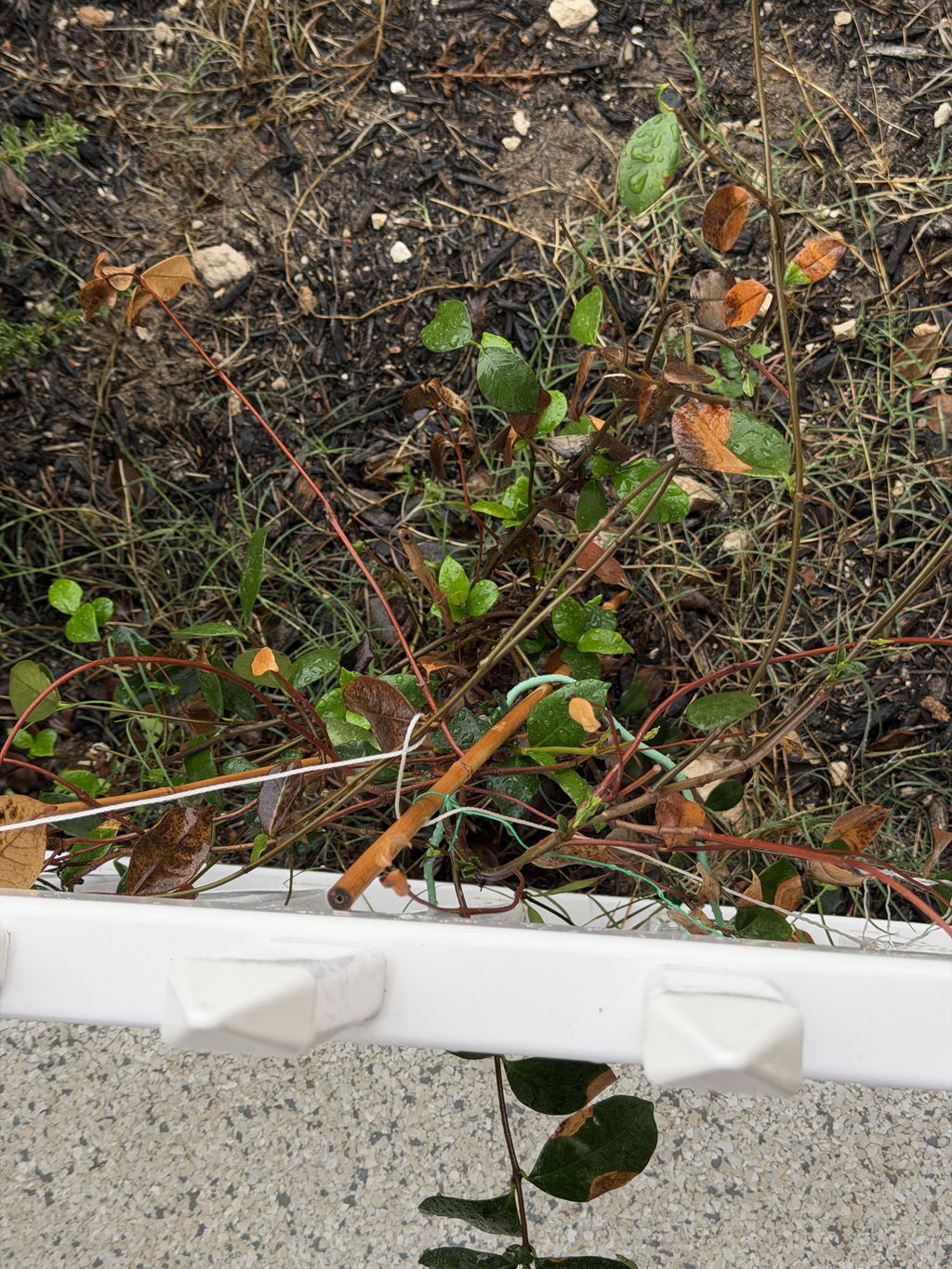
Fertilizer burn: causes, symptoms, and prevention tips
Share
Grab your favorite plant and take a closer look at its leaf tips. If you see brown, crispy edges or yellowing that just won’t quit, your leafy friend might be suffering from fertilizer burn, and ironically, your care could be the cause. Many gardeners assume that more fertilizer equals faster, stronger growth. In reality, overdoing it can damage roots, disrupt water uptake, and leave your plants worse off than before. This guide walks you through exactly what fertilizer burn is, how to spot it early, what triggers it, and how to bring your plants back from the edge.
What is fertilizer burn?
Fertilizer burn is one of those plant problems that sneaks up on even experienced gardeners. At its core, fertilizer burn is plant tissue damage caused by excessive fertilizer application, leading to excess salts, nitrogen, or ammonia that impair osmosis, photosynthesis, and respiration. Think of it as your plant being overwhelmed by too much of a good thing.
The biology behind it is surprisingly straightforward. When you apply too much fertilizer, salt concentrations in the soil spike. Water naturally moves from areas of low salt concentration to high salt concentration, which means instead of water flowing into your plant’s roots, it actually flows out. This process, called osmotic stress, essentially dehydrates your plant from the inside out, even when the soil feels moist.
Beyond dehydration, osmotic stress and ammonia toxicity combine to inhibit plant metabolism at the cellular level. Excess ammonia, which is released by many nitrogen-heavy fertilizers, disrupts enzyme activity and slows down the energy production your plant depends on to grow and thrive.
One concept worth knowing is the salt index, which measures how much a fertilizer raises soil salt concentration compared to sodium nitrate. Fertilizers with a high salt index carry a greater risk of burn. Here’s a quick breakdown:
- High salt index fertilizers (e.g., muriate of potash, ammonium nitrate): highest burn risk
- Medium salt index fertilizers (e.g., triple superphosphate): moderate risk
- Low salt index fertilizers (e.g., organic compost, slow-release granules): lowest risk
Younger plants and seedlings are especially vulnerable because their root systems are still developing and can’t buffer against salt stress the way established plants can. If you’re starting seeds or transplanting, this is the moment to be extra mindful about fertilizer amounts.
“Fertilizer burn doesn’t mean you’ve failed as a plant parent. It means you care enough to feed your plants. The key is learning how to feed them smarter, not harder.”
Recognizing fertilizer burn: Common symptoms
Spotting fertilizer burn early gives your plants the best shot at recovery. The good news is that the signs are usually visible before permanent damage sets in. Common symptoms include white salt crust on soil, brown or yellow leaf tips and edges, wilting despite moisture, root rot or browning, stunted growth, crispy leaves, and increased pest activity.
Here’s a practical checklist to run through when something looks off:
- White or crusty residue on soil surface: a clear sign of salt buildup
- Brown or scorched leaf tips and edges: often the first visible symptom
- Yellowing leaves: especially on lower or older growth
- Wilting even when soil is wet: roots can’t absorb water due to osmotic stress
- Stunted or slowed growth: the plant is redirecting energy to survive, not grow
- Crispy, dry texture on leaves: tissue death from dehydration
- Root discoloration or rot: brown, mushy roots instead of healthy white ones
The type of fertilizer you use also affects how quickly symptoms appear. Here’s a helpful comparison:
| Fertilizer type | Symptom onset | Burn risk level |
|---|---|---|
| Rapid-release synthetic | Within days | High |
| Slow-release granules | 2 or more weeks | Medium |
| Liquid concentrate | 1 to 3 days | High |
| Organic compost | Weeks to months | Low |
| Controlled-release pellets | 2 to 4 weeks | Low to medium |
One thing gardeners often overlook is that wilting from fertilizer burn looks almost identical to wilting from underwatering. The key difference is context: if you’ve recently fertilized and the soil is moist, burn is the more likely culprit. Trust your plant’s history, not just its appearance.
Key causes of fertilizer burn: What brings it on?
Knowing what triggers fertilizer burn helps you sidestep the most common mistakes. Primary causes include applying too much fertilizer, using the wrong type with a high salt index or ammonia-producing formula, insufficient watering after application, dry or hot growing conditions, and applying fertilizer directly onto wet foliage.
Here are the top causes ranked by how often they catch gardeners off guard:
- Over-application: Following the “more is better” mindset and doubling recommended doses
- Using high salt index fertilizers: Especially synthetic quick-release products
- Skipping the water step: Not watering before or after applying fertilizer
- Hot, dry conditions: Heat accelerates salt concentration in soil
- Fertilizing stressed or dormant plants: Roots can’t process nutrients when the plant isn’t actively growing
- Applying to wet foliage: Liquid fertilizers on leaves cause direct tissue burn
Environmental conditions play a bigger role than most people realize. During a heat wave or drought, soil dries out faster, concentrating salts even more. If your garden is in a region with naturally saline soil, the risk compounds further.
| Fertilizer type | Salt index | Burn risk |
|---|---|---|
| Ammonium nitrate | High (104) | Very high |
| Urea | High (75) | High |
| Triple superphosphate | Medium (10) | Moderate |
| Slow-release organic | Low (varies) | Low |
| Compost | Very low | Very low |
Seedlings and young transplants deserve special attention here. Their root systems are small and sensitive, making them far more reactive to salt stress than a mature shrub or established perennial.
Pro Tip: Always water your plants thoroughly before applying any granular fertilizer. Moist soil helps dilute salts and reduces the chance of root contact with concentrated nutrients.
Prevention and treatment: How to avoid and fix fertilizer burn
Prevention really is the best medicine when it comes to fertilizer burn. A few smart habits can protect your plants and save you the heartache of watching them struggle.
Prevention steps to follow:
- Soil test first: Know your soil’s existing nutrient levels before adding anything
- Start with diluted doses: Use slow-release, organic, or low-salt fertilizers and dilute to half or quarter strength initially
- Fertilize only during active growth: Spring and summer are the right windows
- Water before and after application: This buffers salt concentration
- Keep fertilizer away from stems and foliage: Apply to soil, not directly on the plant
- Split applications: Smaller, more frequent doses are safer than one large feeding
If burn has already happened, don’t panic. Most plants are more resilient than they look.
Treatment protocol:
- Stop fertilizing immediately: Give your plant a break from all nutrients
- Flush the soil: Stop fertilizing and flush soil with distilled or rainwater, prune damaged parts, repot if severe, and restart with diluted organic fertilizer
- Prune damaged leaves and roots: Remove crispy, brown, or rotted tissue to redirect energy
- Repot if necessary: For potted plants with severe salt buildup, fresh soil is the cleanest reset
- Restart slowly: Once recovery begins, reintroduce nutrients at quarter strength with an organic formula
Pro Tip: When flushing soil, use two to three times the pot’s volume in water. This ensures salts are genuinely diluted and drained, not just pushed deeper into the root zone.
Recovery timelines vary. Mild cases often show improvement within one to two weeks. Severe cases, especially those involving root damage, can take a month or more. Patience and consistent care are your best tools here.
Special considerations: Edge cases and expert tips
Not every plant or situation fits the standard advice, and that’s where a little extra knowledge goes a long way.
Seedlings and young plants are the most susceptible to fertilizer burn, while heavy feeders like tomatoes, corn, and roses can tolerate more. Synthetic fertilizers carry a higher burn risk than organic options, and dry or saline soils significantly worsen outcomes.
Here are some nuanced tips for trickier situations:
- Container plants: Salt accumulates faster in pots because there’s nowhere for it to go. Flush containers every four to six weeks during the growing season.
- Sandy soils: Nutrients leach quickly, so you may need more frequent but smaller applications.
- Clay soils: Nutrients bind tightly, increasing the risk of buildup over time.
- Seedlings: Use a fertilizer diluted to one quarter strength or skip it entirely for the first few weeks.
- Heavy feeders: Even these plants benefit from split applications rather than one large dose.
Research backs up the case for restraint. High EC fertigation at 3.5 showed no yield gain over low EC at 1.0, and actually reduced crop quality, while an optimal nitrogen to phosphorus ratio of roughly 2 to 3:1 supports the best growth and yield outcomes. More fertilizer simply does not equal more growth, and the science confirms it.
Organic and slow-release options are consistently the safer choice for most home gardeners. They release nutrients gradually, reduce salt spikes, and support a healthier soil ecosystem overall. If you’re ever in doubt, less is genuinely more.
What most gardeners miss about fertilizer burn
Here’s the honest truth: fertilizer burn is rarely just about using too much product. It’s about applying fertilizer to a plant that wasn’t ready for it. Stressed plants, whether from heat, drought, recent transplanting, or pest pressure, have compromised root systems. They can’t process nutrients efficiently, so even a standard dose can tip them into burn territory.
The “more is better” mindset is deeply human. We want to nurture our plants and see results. But fertilizer is not a rescue tool. It’s a growth support for plants that are already thriving. Feeding a struggling plant is like asking someone who’s exhausted to run a marathon.
Soil testing is the most underused tool in the home gardener’s kit. Knowing your baseline nutrient levels means you’re not guessing, you’re responding to what your plants actually need. Pair that with choosing low-salt, slow-release fertilizers and timing applications to active growth periods, and you’ve removed most of the risk entirely.
The gardeners who rarely deal with fertilizer burn aren’t the ones with the fanciest products. They’re the ones who observe their plants closely, adjust based on what they see, and resist the urge to over-intervene. That kind of attentiveness is what separates a thriving garden from a stressed one.
Optimize your garden and prevent fertilizer burn
Fertilizer burn is preventable, and your plants deserve a care routine that actually supports them rather than stresses them out. At mitogrow, we believe healthy plants start at the cellular level, which is why our biostimulant formulas are designed to boost nutrient uptake by up to 50% without the risks that come with over-fertilizing. Instead of pushing more nutrients onto your plants, mitogrow helps them use what’s already there more efficiently. Explore our gardening resources to find the right formula for your garden setup, whether you’re nurturing indoor pots, outdoor beds, or established trees and shrubs. Your leafy friends will thank you.
Frequently asked questions
How quickly does fertilizer burn show up on plants?
Rapid-release fertilizers show symptoms within days, while slow-release types may take two weeks or more to produce visible signs of burn.
Can I reverse fertilizer burn, or are damaged plants doomed?
Most plants recover well if you act quickly. Stop fertilizing, flush the soil with distilled or rainwater, prune damaged tissue, and restart with a diluted organic fertilizer once the plant stabilizes.
Are organic fertilizers always safer than synthetic?
Organic and slow-release fertilizers carry a lower burn risk overall, but misuse, especially with young or stressed plants, can still cause problems.
Should I fertilize in winter or dormancy?
No. Fertilizing outside active growth periods like spring and summer increases burn risk and often does more harm than good.
Does flushing the soil always help after fertilizer burn?
Flushing with distilled or rainwater works well for mild to moderate cases, but severe salt buildup may require repotting in fresh soil for a full recovery.