Improve indoor plant soil for healthier growth: step-by-step
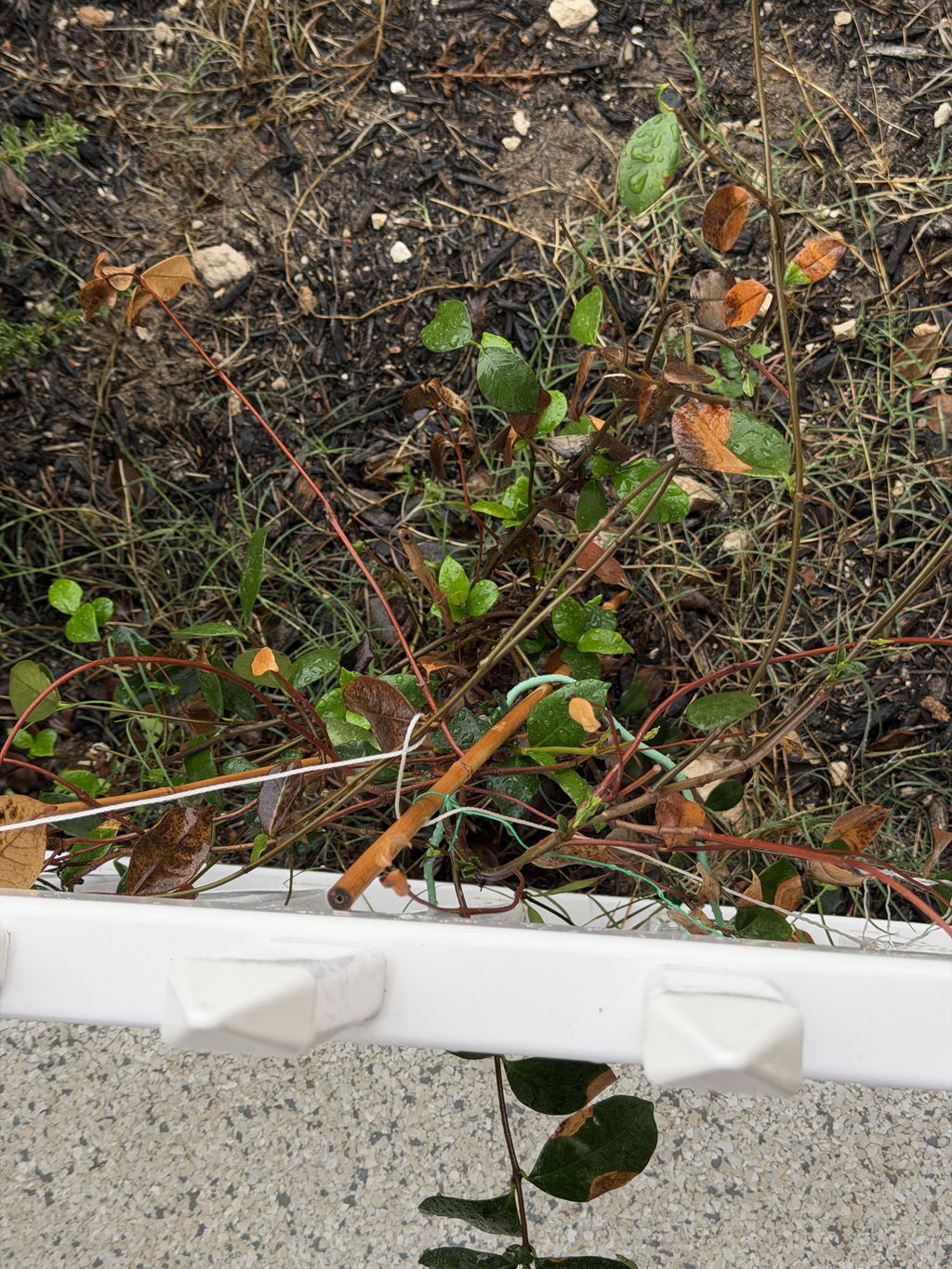
Your leafy friends might be getting the perfect amount of light and water, yet still look sad, droopy, or just plain stuck. The culprit is often hiding right beneath the surface: poor soil. Compacted, dense, or nutrient-depleted soil quietly suffocates roots, blocks water from draining properly, and starves plants of the oxygen they need to thrive. This guide walks you through exactly how to assess, improve, and maintain your indoor plant soil using research-backed methods, so your plants can finally reach their full, poster-plant potential.
Table of Contents
- Why your indoor plant soil matters
- What you need: ingredients and equipment checklist
- Step-by-step: how to create or improve your indoor plant soil
- Tailoring soil to your plant types and environment
- Maintenance, repotting, and troubleshooting common soil problems
- Next steps: boost your plant’s growth with the right products
- Frequently asked questions
Why your indoor plant soil matters
Indoor soil is a completely different world from what exists in your backyard. Garden soil is heavy, often clay-rich, and relies on earthworms, weather, and a living ecosystem to stay healthy. Potting soil, on the other hand, has to do all of that work in a confined container with no natural support system. That’s a big ask.
Proper soil structure delivers drainage, aeration, water retention, and nutrients for roots, and when any one of those functions breaks down, your plant feels it fast. Here’s what healthy indoor soil needs to do:
- Drain excess water so roots don’t sit in soggy conditions
- Retain enough moisture to keep roots hydrated between waterings
- Allow airflow so oxygen reaches the root zone
- Hold nutrients without becoming a compacted brick over time
Compacted soil is one of the most common and least talked-about problems for indoor plant owners. When soil gets dense, roots can’t push through it, water pools on the surface instead of soaking in, and the whole system stalls.
Aeration vs. drainage: why both matter Drainage refers to water moving out of the pot. Aeration refers to air moving into the soil. You can have a pot that drains well but still suffocates roots if the soil particles are too fine and pack tightly together. Aeration and drainage are two separate functions, and your soil needs to support both simultaneously.
What you need: ingredients and equipment checklist
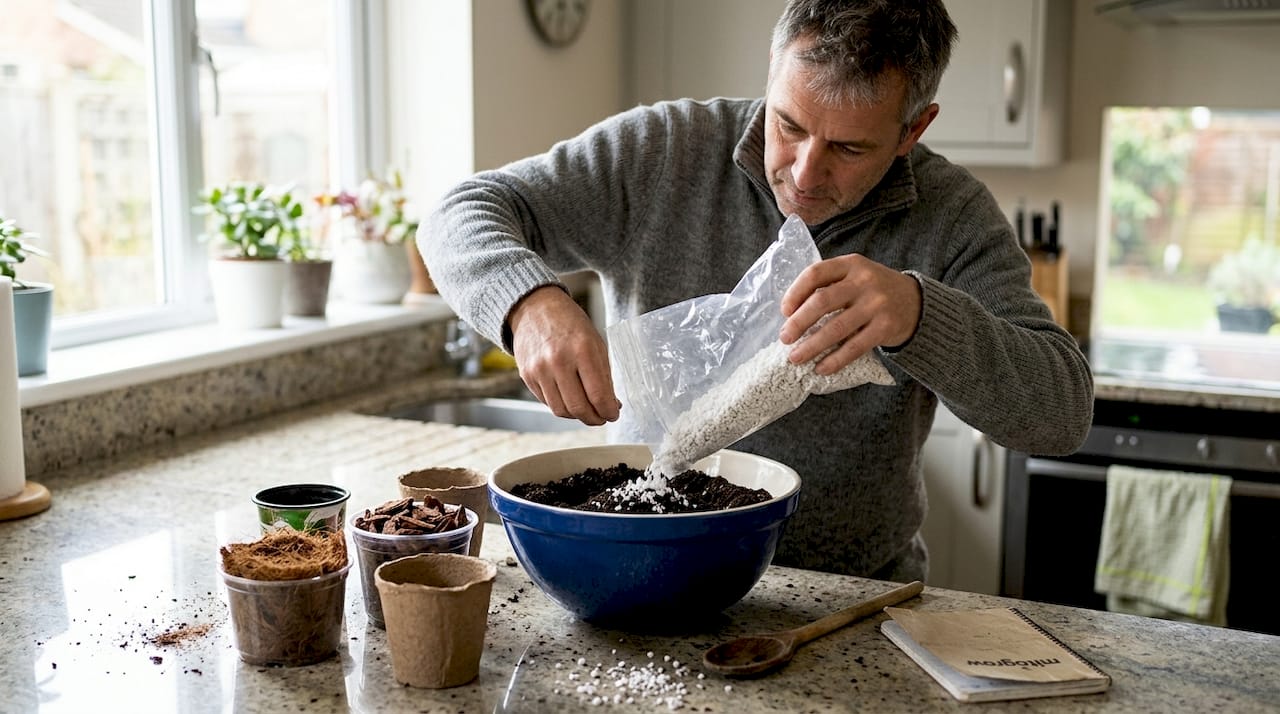
Understanding the why, let’s lay out what you’ll need before you start mixing or amending soil. Good indoor potting mix is built from a combination of organic and inorganic materials, each playing a specific role.
Soilless potting mixes of organic matter like peat, coir, and bark combined with inorganic aerators like perlite and vermiculite form the gold standard for indoor plants. And if sustainability matters to you (it should), peat-free alternatives like coir, bark, and composted green waste are worth prioritizing.
| Ingredient | Type | Key benefit | Eco impact |
|---|---|---|---|
| Peat moss | Organic | Moisture retention | High (non-renewable) |
| Coconut coir | Organic | Moisture + aeration | Low (sustainable) |
| Bark chips | Organic | Drainage + structure | Low |
| Worm castings | Organic | Nutrients + microbial life | Very low |
| Perlite | Inorganic | Aeration + drainage | Low |
| Vermiculite | Inorganic | Moisture retention + aeration | Low |
| Coarse sand | Inorganic | Drainage | Very low |
| Pumice | Inorganic | Aeration + drainage | Low |
Equipment you’ll need:
- A clean mixing container or tray
- Measuring cups or a small scoop
- Gloves (especially when handling perlite)
- Pots with drainage holes (non-negotiable)
- A watering can with a gentle spout
Pro Tip: Never use gravel at the bottom of your pot as a drainage layer. It sounds logical, but it actually creates a “perched water table” that keeps moisture trapped right above the gravel, exactly where your roots live.
Step-by-step: how to create or improve your indoor plant soil
With all the right materials on hand, you’re ready for hands-on improvement. Here’s exactly how to do it.
- Assess your current soil. Stick your finger two inches deep. Does it feel compacted, crusty, or bone dry even after watering? Those are signs it’s time to amend or replace.
- Choose your base mix. Start with a quality potting mix as your foundation. Avoid mixes with heavy garden soil or excessive moisture-retaining crystals.
- Add your aerators. Perlite, vermiculite, and coarse sand boost aeration and drainage, and you should target an air-filled porosity of 15 to 35% for most houseplants.
- Sterilize if using homemade mix. Baking soil at 180 to 200°F for one hour kills pathogens and pests before they become a problem.
- Mix and test. Squeeze a handful of your blend. It should hold its shape briefly, then crumble apart. If it stays in a tight ball, it’s too dense. If it falls apart immediately, it may drain too fast.
- Repot or amend in place. If repotting, fill the new pot with fresh mix and settle the plant in gently. If you’re not repotting, poke holes in the surface with a chopstick and top-dress with compost or worm castings.
- Water thoroughly and observe. Water should flow through and out the drainage hole within seconds. If it pools, your mix still needs more aeration.
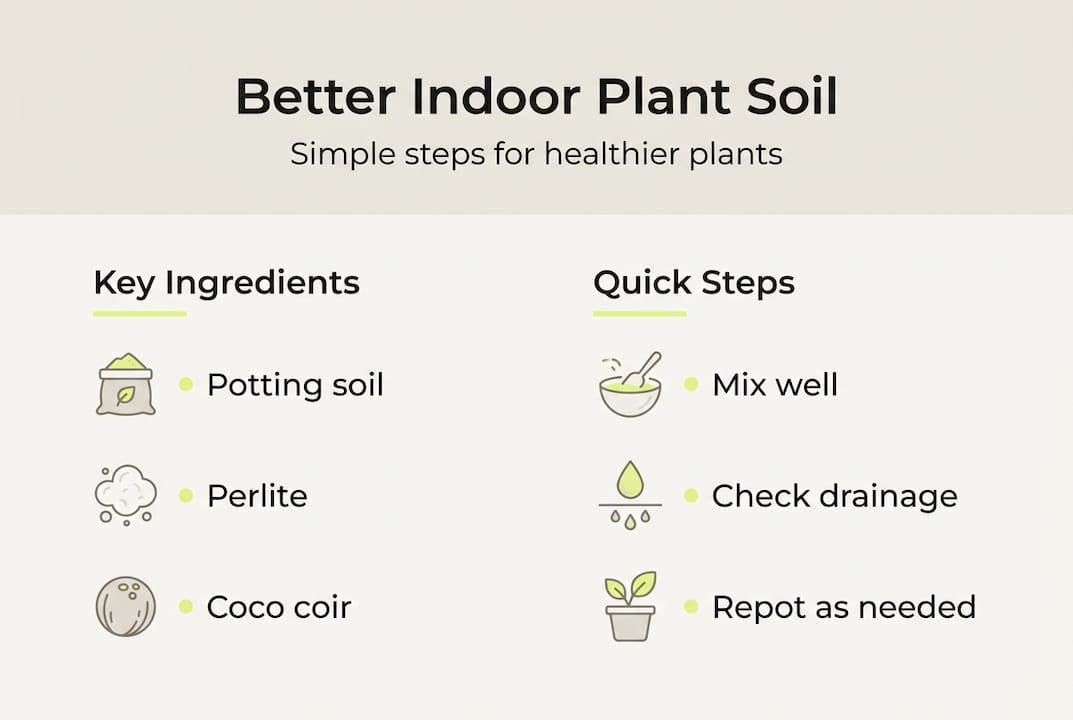
Homemade potting mix recipes can be tailored to plant type, and here’s a quick reference:
| Plant type | Potting soil | Perlite | Bark/coir | Sand |
|---|---|---|---|---|
| General foliage | 60% | 20% | 20% | 0% |
| Succulents/cacti | 40% | 30% | 0% | 30% |
| Ferns | 50% | 10% | 40% | 0% |
| General use | 60% | 25% | 15% | 0% |
Pro Tip: Always test a new DIY blend in a small batch with one plant before committing to a full mix. Give it four to six weeks and watch how the soil behaves between waterings.
One community experiment worth noting: a DIY mix of standard potting soil, perlite, and bark chips outperformed a premium organic store-bought mix for pothos growth over a three-month trial, with noticeably fuller, faster growth at a fraction of the cost.
Tailoring soil to your plant types and environment
Following the basic recipe is just the start. The real magic happens when you match the soil to your specific plant and the conditions in your home.
Succulents and cacti need more sand and perlite for fast drainage, foliage plants thrive with higher organic content, and ferns prefer moisture-retentive blends with bark and coir. Here’s a quick breakdown:
- Succulents and cacti: 40% potting mix, 30% perlite, 30% coarse sand. Fast drainage is everything.
- Tropical foliage (pothos, philodendron): 60% potting mix, 20% perlite, 20% coir or bark. Balanced moisture and airflow.
- Ferns and moisture-lovers: 50% potting mix, 40% bark or coir, 10% perlite. Retains humidity without waterlogging.
- Orchids: Mostly bark chips with minimal potting mix. Roots need serious airflow.
Your environment matters just as much as your plant type. Higher light and humidity call for more drainage in your mix, while low-light corners benefit from slightly better moisture retention so the soil doesn’t dry out unevenly.
Pro Tip: If your plant’s soil dries out within a day or two of watering, add more coir or vermiculite to your next mix. If it stays soggy for more than a week, increase your perlite ratio.
Maintenance, repotting, and troubleshooting common soil problems
After you’ve improved your plant’s foundation, keeping it healthy is all about vigilance and a proactive routine. Soil doesn’t stay perfect forever, and knowing when to act makes all the difference.
How to maintain soil health over time:
- Check soil texture every few months by pressing gently on the surface. Healthy soil should feel slightly springy, not hard or crusty.
- Repot every one to two years to prevent compaction and salt buildup from fertilizers. Signs it’s time: surface crust, white salt deposits, or soil that dries unusually slowly.
- Leach accumulated salts by watering deeply until water runs freely from the drainage hole, then letting the pot drain completely.
- Use a low-dose, balanced fertilizer during the growing season. Over-fertilizing is one of the fastest ways to degrade soil quality.
- Refresh the top inch of soil annually with fresh compost or worm castings if you’re not doing a full repot.
Warning signs your soil needs attention:
- Surface crust that water beads off instead of soaking into
- Yellowing leaves despite consistent watering
- Slow drainage or water pooling at the surface
- Roots circling the pot or poking out of drainage holes
- A sour or musty smell coming from the soil
A note on gravel: Gravel at the pot’s bottom worsens the perched water table effect rather than improving drainage. It forces the saturated zone higher into the root area. Skip it entirely and focus on a well-structured soil mix with proper drainage holes instead.
Overwatering and over-fertilization are the two most common mistakes that degrade indoor soil over time. Both are easy to fix once you know what to look for, and both start with paying attention to what the soil is actually telling you.
Next steps: boost your plant’s growth with the right products
You’ve done the hard work of understanding your soil, and now your plants are set up for something genuinely exciting. But great soil is only part of the equation. Even the most perfectly structured mix can only deliver what’s available, and that’s where cellular-level support makes a real difference. mitogrow’s biostimulant formula for plant care solutions works from within, helping roots absorb up to 50% more nutrients from the soil you’ve already improved. It’s pet-safe, compatible with any fertilizer, and impossible to overdose, making it a natural next step for any indoor plant lover who wants to see real, visible results. Whether your leafy friends are just getting started or you’re nursing one back from the edge, mitogrow is the kind of support that makes thriving feel effortless.
Frequently asked questions
How often should I replace or refresh indoor plant soil?
Repot every one to two years to prevent compaction and salt buildup. Watch for surface crust, white deposits, or soil that takes unusually long to dry as early signals it’s time.
Is it okay to use gravel at the bottom of plant pots for drainage?
No. Gravel worsens drainage by raising the perched water table into the root zone. Use a well-structured soil mix and a pot with drainage holes instead.
Which soil mix should I use for succulents versus ferns or foliage plants?
Tailor your mix to plant type: sandy perlite-heavy blends for succulents, bark and coir for ferns, and richer organic content for foliage plants like pothos or philodendron.