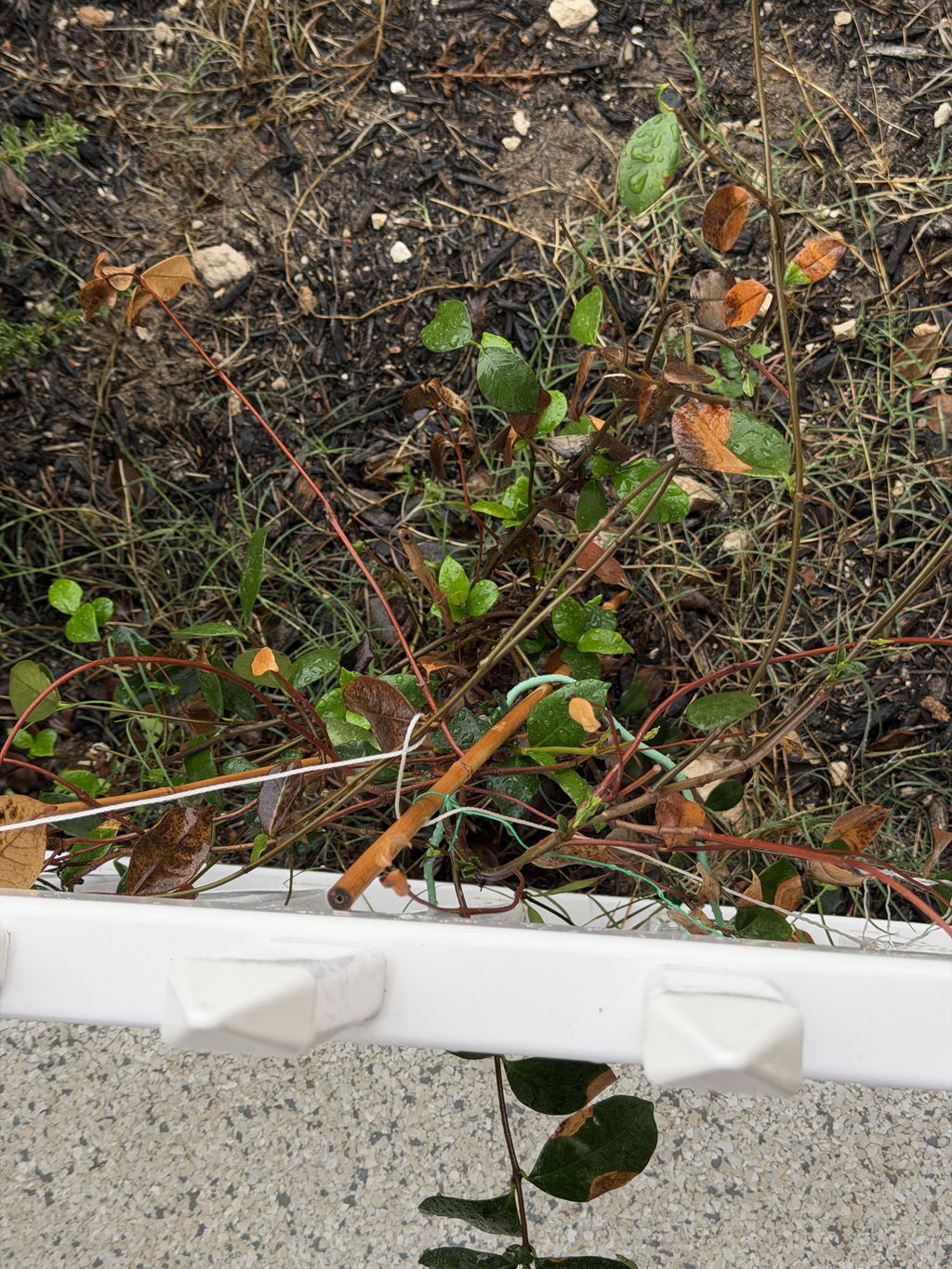
How to improve root growth for healthier plants
Weak root systems are one of the most frustrating problems home gardeners face, leading to stunted growth, poor nutrient uptake, and plants that struggle to survive seasonal changes. Biostimulants offer a science-backed solution that goes beyond traditional fertilizers by activating your plants’ natural growth mechanisms at the cellular level. This guide walks you through selecting, preparing, and applying biostimulants to dramatically enhance root development and build stronger, more resilient plants in your garden.
Table of Contents
- Understanding Biostimulants And Their Role In Root Growth
- Preparing Your Garden For Biostimulant Application
- Step-By-Step Guide To Applying Biostimulants For Healthier Roots
- Verifying Results And Troubleshooting Common Issues
- Explore mitogrow Products For Root Health
- FAQ
Key takeaways
| Point | Details |
|---|---|
| Biostimulants activate cellular growth | B Vitamins, seaweed extracts, and microbial inoculants boost root biomass and stress resilience through internal plant mechanisms. |
| Proper preparation maximizes results | Assess your soil conditions, plant types, and existing microbiome before selecting and applying biostimulants. |
| Application method matters | Soil drenches, foliar sprays, and seed treatments each serve different purposes depending on your plant’s growth stage. |
| Combination treatments work best | Pairing microbial inoculants with humic substances can increase nutrient uptake by up to 50% compared to single applications. |
Understanding biostimulants and their role in root growth
Biostimulants are naturally derived substances that stimulate plant growth processes independently of nutrient content. Unlike fertilizers that provide raw materials, biostimulants enhance growth and resilience by optimizing how plants use existing resources. The main categories include B Vitamins, seaweed extracts rich in bioactive compounds, microbial inoculants containing beneficial fungi or bacteria, and silicon-based compounds that strengthen cell walls.
These products work through multiple pathways. They enhance nutrient uptake by improving root surface area and membrane transport efficiency. They modify root architecture by stimulating lateral root formation and increasing root hair density. They also boost stress tolerance by activating defensive compounds and protective enzymes.
Research demonstrates measurable improvements in root chemistry and structure. Studies show ANE enhances root phenolics and microbiome composition, leading to increased nitrogen and phosphorus content in root tissues. This particular seaweed-based treatment altered the rhizosphere microbiome by promoting beneficial bacteria like Pseudomonas and Bacillus species, which directly support root colonization and nutrient solubilization.
The mechanism centers on cellular signaling. When you apply biostimulants, they trigger hormone-like responses that redirect energy toward root development rather than shoot growth. This internal activation explains why plants treated with biostimulants often show improved performance even under nutrient-limited conditions.
Microbial inoculants deserve special attention. These living products contain mycorrhizal fungi that form symbiotic relationships with roots, extending their effective reach by hundreds of times. They also include plant growth-promoting rhizobacteria that fix nitrogen, solubilize phosphorus, and produce growth hormones. The combination creates a living network that fundamentally changes how your plants interact with soil.
Preparing your garden for biostimulant application
Successful biostimulant use starts with understanding your specific growing conditions. Walk through your garden and note which plants struggle most, what soil type dominates each bed, and how drainage patterns affect moisture retention.
Soil preparation sets the foundation for biostimulant effectiveness. Ensure adequate drainage because waterlogged conditions prevent root oxygen uptake regardless of biostimulant application. Add organic matter like compost to improve soil structure, which helps both root penetration and microbial colonization.
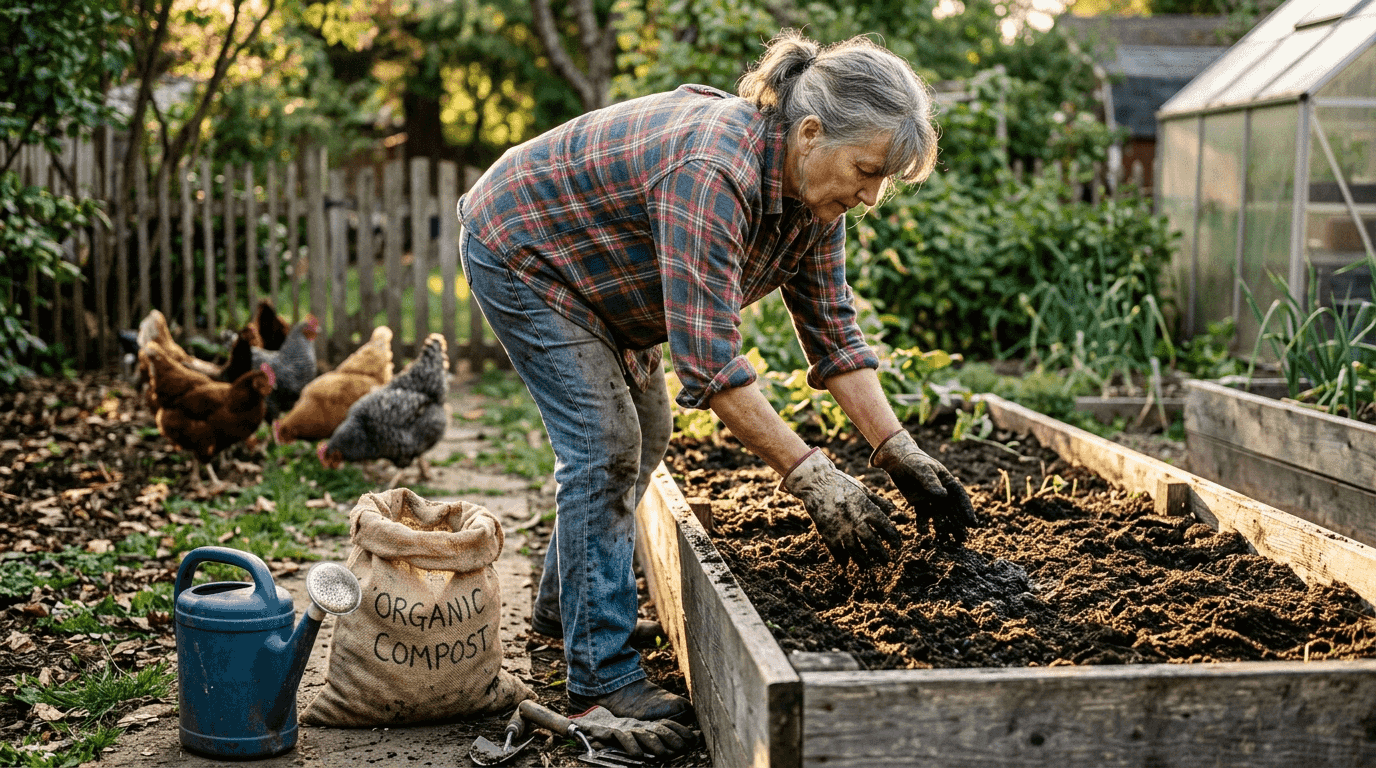
Your existing soil microbiome matters more than most gardeners realize. If you’ve recently used broad-spectrum fungicides or heavily chlorinated water, beneficial microbes may be depleted. In these cases, microbial inoculants become even more critical. Conversely, healthy organic gardens with active compost systems already host robust microbial communities that will respond quickly to biostimulant applications.
Dosage discipline prevents common mistakes. More is not better with biostimulants. Studies show optimizing biostimulant use requires matching crop and climate conditions to application rates. Overdosing can trigger stress responses that actually inhibit growth or cause nutrient imbalances. Always start at the lower end of recommended ranges, especially with new products.
Proper storage maintains product viability. Store liquid biostimulants in cool, dark locations away from temperature extremes. Microbial products especially need careful handling since heat kills beneficial organisms. Check expiration dates on microbial inoculants because colony counts decline over time.
Pro Tip: Create a garden journal documenting your baseline conditions before applying biostimulants. Note root visibility, plant vigor scores, and any stress symptoms. This record makes it easy to verify improvements and adjust your approach for next season.
Step-by-step guide to applying biostimulants for healthier roots
Choosing the right biostimulant type depends on your specific goals and plant needs. Humic acids excel at improving soil structure and nutrient availability, making them ideal for poor soils or newly established beds. Seaweed extracts like Ascophyllum nodosum provide quick stress relief and root stimulation, perfect for transplants or plants recovering from damage. Microbial inoculants including arbuscular mycorrhizal fungi and Bacillus subtilis dramatically expand root systems and nutrient access, essential for phosphorus-limited soils.
Application methods vary by product and growth stage. Soil drenches deliver biostimulants directly to the root zone, ideal for establishing new plants or treating visible root problems. Pour the diluted solution slowly around the base, ensuring it soaks 4 to 6 inches deep.
Timing and frequency maximize results. Apply biostimulants during active growth periods, typically spring and early summer for most plants. Initial applications should occur at transplanting or emergence, followed by maintenance treatments every 2 to 4 weeks during the growing season. Stop applications 2 to 3 weeks before expected dormancy to avoid promoting tender growth that won’t harden off properly.
Combining microbial inoculants amplifies benefits through synergistic effects. Studies demonstrate mycorrhizal fungi and Bacillus subtilis increase root biomass and phosphorus uptake dramatically when used together under low phosphorus conditions. The co-inoculation improved root dry mass by over 60% compared to untreated controls. Apply mycorrhizal inoculants first at planting, then follow with bacterial products 1 to 2 weeks later.

Monitor your plants weekly after applications. Healthy root growth shows up as increased vigor, deeper green foliage, and better drought tolerance within 2 to 3 weeks. If you see no improvement after 4 weeks at recommended doses, reassess your soil conditions or try a different biostimulant category.
Pro Tip: Mix biostimulants with rainwater or dechlorinated tap water, never use heavily chlorinated municipal water directly. Chlorine kills beneficial microbes and can reduce biostimulant effectiveness by up to 40%.
Verifying results and troubleshooting common issues
Successful root enhancement shows up in multiple ways you can observe without digging up plants. Above-ground indicators include faster growth rates, darker green foliage, increased drought tolerance, and better resistance to wind stress. Plants with robust root systems bounce back quickly after heavy rain or heat stress. Below ground, carefully excavate near the drip line to check for increased fine root density and healthy white root tips.
Environmental stresses can mask biostimulant benefits or require adjusted expectations. Severe drought, extreme temperatures, or pest infestations create conditions where even optimal root systems struggle. However, research shows humic acids mitigate salt and drought stress by improving nutrient balance and protective mechanisms. Humic fractions larger than 30 kDa proved most effective at protecting soybean seedlings from salinity damage.
“The application of humic substances, particularly high molecular weight fractions, significantly improved plant tolerance to abiotic stresses by enhancing nutrient uptake and reducing oxidative damage, demonstrating their value beyond basic growth promotion.”
Record keeping transforms guesswork into science. Document application dates, products used, doses, weather conditions, and observed plant responses. This data reveals patterns like which biostimulants work best in your specific conditions or whether timing adjustments improve results. Photography helps track subtle changes in plant vigor that memory alone might miss.
Persistent problems warrant professional consultation. If plants show no response after 6 to 8 weeks of proper biostimulant use, underlying issues like soil contamination, root diseases, or severe nutrient deficiencies may require targeted solutions. County extension agents or certified horticulturists can perform detailed soil tests and plant tissue analysis to identify hidden problems that biostimulants alone can’t solve.
Explore mitogrow products for root health
Implementing these biostimulant strategies becomes simpler with products specifically formulated for root enhancement. mitogrow biostimulant products work at the cellular level to boost nutrient uptake by up to 50%, supporting the exact root growth mechanisms discussed throughout this guide. The formulas are pet-safe, compatible with any fertilizer, and backed by Texas A&M research trials. Whether you’re establishing new plantings, maintaining established gardens, or reviving struggling plants, mitogrow’s targeted solutions for indoor pots, outdoor beds, or trees and shrubs provide ready-to-use options that align with science-based root development practices.
FAQ
How quickly can I expect to see results after applying biostimulants?
Most gardeners notice visible improvements in plant vigor within 2 to 4 weeks of consistent biostimulant application. Root growth changes happen first underground, followed by above-ground responses like darker foliage and faster growth. Plant species, environmental conditions, and baseline health significantly influence timing, with stressed plants sometimes showing dramatic turnarounds within 10 to 14 days.
Are biostimulants effective for all types of plants and soils?
Biostimulant effectiveness varies significantly based on plant species, soil type, climate conditions, and existing nutrient levels. Crops and ornamentals show different response patterns, while sandy soils respond differently than clay soils. Testing on a small garden section before full-scale application helps identify the best products and doses for your specific growing conditions.