Natural ways to boost plant growth: the ultimate how-to guide
You’ve done everything by the book. Fed your plants, watered them, given them sunlight. And yet, something still feels off. The leaves aren’t as lush, the blooms aren’t as bold, and your garden looks more like a work-in-progress than the thriving ecosystem you imagined. The good news? The problem usually isn’t your effort. It’s the approach. Heavy chemical fertilizers often overwhelm plants rather than support them, leaving soil depleted and roots struggling. This guide walks you through proven, nature-based methods that work with your plants’ biology to produce real, lasting growth.
Key Takeaways
| Point | Details |
|---|---|
| Enrich soil naturally | Compost, manure, and mulch provide foundational nutrients for healthy growth. |
| Water for strong roots | Deep, less frequent watering strengthens roots and reduces common problems. |
| Feed with kitchen scraps | Banana peels and coffee grounds deliver vital nutrients without chemicals. |
| Pair plants wisely | Companion planting and crop rotation boost soil and protect against pests. |
| Balance is key | Pure organic may not always fit—combine methods for your unique garden’s best results. |
What you need to get started naturally
Before you start layering amendments or rearranging your garden, it helps to gather the right materials and get a feel for your soil’s current state. The foundation of natural plant care is simple: healthy soil supports healthy plants. That means less guessing and more observing. If you are exploring the living biology of healthy soil, read about mycorrhizal fungi benefits for plants before choosing a root-care approach.
Here’s what you’ll want on hand before diving in:
- Compost: Finished compost from kitchen scraps or yard waste adds nutrients and feeds beneficial soil microbes
- Well-rotted manure: Aged manure from chickens, cows, or horses provides a slow, steady nutrient release
- Mulch: Wood chips, straw, or shredded leaves lock in moisture and regulate soil temperature
- Worm castings: A concentrated source of plant-available nutrients and microbial life
- Kitchen scraps: Coffee grounds, banana peels, and eggshells all have specific nutrient benefits
- Basic tools: A trowel, gardening gloves, a watering can or drip system, and a soil pH test kit
Your soil’s structure, drainage, and pH all shape how well plants absorb nutrients. A quick pH test (most garden centers sell inexpensive kits) tells you whether your soil leans acidic or alkaline, which directly affects what you can grow and how well amendments work. Most vegetables and flowering plants prefer a pH between 6.0 and 7.0.
| Material | Primary benefit | Cost level | Availability |
|---|---|---|---|
| Compost | Nutrients + microbial activity | Low (DIY free) | Easy |
| Worm castings | Concentrated nutrients | Medium | Garden centers |
| Mulch | Moisture retention | Low | Easy |
| Aged manure | Slow nutrient release | Low to medium | Farm supply |
One of the most accessible things you can do right now is enrich soil with organic matter like compost, well-rotted manure, and mulch to improve structure, nutrient availability, and microbial activity. The microbial part is underrated. A teaspoon of healthy garden soil contains millions of microorganisms that process nutrients into forms your plants can actually use.
Pro Tip: Start a small compost bin at home using vegetable peels, coffee grounds, and dry leaves. It costs almost nothing, reduces kitchen waste, and gives you a consistent supply of high-quality, free organic matter within a few months.
Step-by-step: Building healthier soil and roots
Now that your materials are ready, it’s time to build a thriving foundation for your garden. This isn’t a one-and-done task. Think of it as a soothing ritual you revisit each season, nudging your soil toward greater vitality over time.
Here’s a clear sequence to follow:
- Test your soil. Use a pH kit or send a sample to your local cooperative extension. Knowing your baseline saves you from guessing.
- Add compost or aged manure. Work 2 to 4 inches into the top 6 inches of soil before planting. This feeds both your plants and the microbiome beneath.
- Apply mulch on top. Lay 2 to 3 inches of mulch over the soil surface around (not against) plant stems. It does double duty.
- Switch to deep, infrequent watering. Instead of light daily sprinkles, water slowly and thoroughly every few days. This trains roots to grow downward, where moisture and nutrients are more stable.
- Repeat and observe. Track how your plants respond over two to four weeks. Adjust your compost ratios or watering schedule based on what you see.
Understanding how your materials compare helps you use them wisely:
| Method | Nutrients provided | Cost | How fast it works |
|---|---|---|---|
| Compost | Balanced, slow-release | Free to low | Weeks to months |
| Aged manure | N, P, K + trace minerals | Low | Weeks |
| Mulch | Minimal direct nutrients | Low | Immediately (moisture) |
Compost supplies slow-release nutrients; mulch conserves moisture and suppresses weeds, creating a layered support system your leafy friends will reward you for. And when it comes to water, deep watering technique encourages strong root systems that anchor plants and pull up moisture long after the surface dries out.
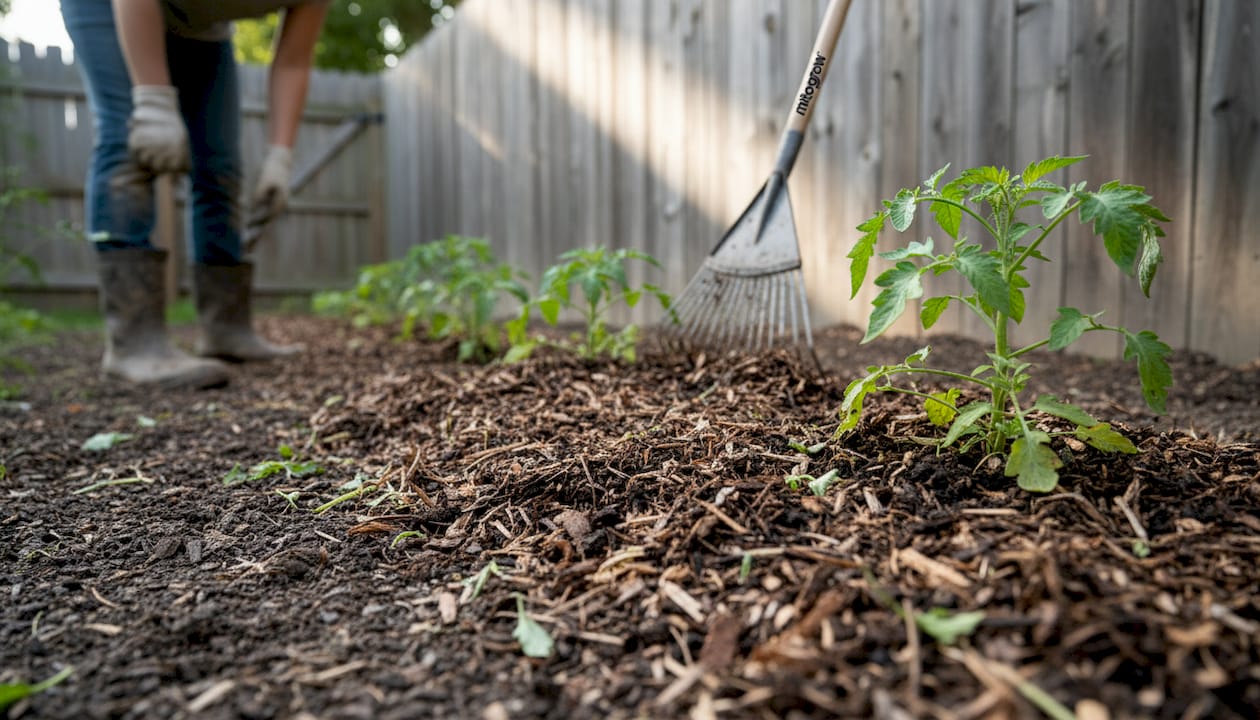
Pro Tip: Mulch isn’t just a moisture tool. It also moderates extreme soil temperature swings in summer and winter, which reduces plant stress and keeps root systems more active year-round.
Natural fertilizers and kitchen solutions
Once your soil is on track, the next step is nourishing plants with readily available, chemical-free methods. Your kitchen is already stocked with some surprisingly effective fertilizers. The trick is knowing which scraps help which plants.
Here are some standout options to explore:
- Coffee grounds: High in nitrogen, great for acid-loving plants like tomatoes, blueberries, and roses. Sprinkle lightly around the base or mix into compost.
- Banana peels: Rich in potassium and phosphorus, ideal for flowering plants. Bury them near the roots or steep in water for a liquid feed.
- Eggshells: Add calcium to soil and can help prevent blossom end rot in tomatoes and peppers.
- Comfrey tea: Steep comfrey leaves in water for a few weeks to create a powerful, nutrient-dense liquid fertilizer.
- Seaweed extracts: Naturally rich in trace minerals and growth hormones that support stronger cell development.
- Worm castings: Gentle enough to use generously without burning roots, and packed with beneficial microbial life.
You can apply natural fertilizers like worm castings, comfrey tea, nettle feed, seaweed extracts, and kitchen scraps to meaningfully boost nutrient uptake without a single synthetic chemical. The results aren’t just anecdotal either. Organic substitution at 60% of chemical nitrogen inputs increases crop yields by 18 to 22% while also improving nitrogen use efficiency to 73 to 76%. That’s a meaningful gain from methods most gardeners already have access to.
The key is pairing the right amendment to the right plant need. Nitrogen drives leafy green growth. Phosphorus fuels root development and flowering. Potassium strengthens overall plant resilience. Once you start thinking in those terms, your kitchen scraps stop looking like waste and start looking like resources.
Plant partnerships and natural pest control
Soil, water, and nutrients are critical, but how you arrange and protect your plants naturally is just as important for success. Companion planting is one of the most underused strategies in home gardening, and it makes a genuine difference.
Some tried-and-true plant pairings worth trying:
- Tomatoes and basil: Basil may repel aphids and whiteflies while improving tomato flavor
- Beans and corn: Beans fix nitrogen in the soil that heavy-feeding corn can use
- Marigolds and vegetables: Marigolds deter nematodes and certain beetles naturally
- Lavender and brassicas: Lavender attracts pollinators and confuses cabbage moths
For pest control, skipping synthetic chemicals protects both your plants and your garden’s ecosystem. You can use companion planting and crop rotation to improve soil fertility naturally, fix nitrogen, and deter pests in a way that compounds in value each season. Rotating your crops also breaks the reproductive cycles of soil-dwelling pests, reducing pressure without any spraying at all.
When you do need a spray, natural options work well:
- Neem oil: Disrupts pest reproduction cycles and acts as a fungicide
- Garlic spray: Repels a wide range of insects without harming beneficial ones
- Insecticidal soap: Targets soft-bodied pests like aphids and spider mites on contact
Encouraging beneficial insects like ladybugs, lacewings, and ground beetles creates a living pest management system. You can employ natural pest control methods that attract predators, use neem oil or garlic spray, and avoid chemicals that weaken your plants’ natural defenses over time.
Worth noting: Repeated use of synthetic pesticides doesn’t just kill pests. It disrupts the microbial life in your soil, reduces pollinator activity, and can make plants more vulnerable to future stress by removing the environmental pressures that stimulate their natural resilience.
Light, pruning, and ongoing care for continuous growth
Finally, your plants’ ongoing environment ties together the results from all your natural methods. Even the best soil amendment won’t do much if your plants are shaded out, overcrowded, or stressed by temperature swings.
Here’s how to approach the ongoing care side of natural growth:
- Track your sunlight. Observe how many hours of direct light each garden bed or container receives. Most vegetables, herbs, and flowering plants need at least six hours of direct sun per day to thrive.
- Position strategically. If your space is partially shaded, prioritize shade-tolerant plants like lettuce, kale, and ferns in lower-light zones. Save the sunny spots for your tomatoes and peppers.
- Prune with purpose. Remove dead, damaged, or crossing branches to redirect a plant’s energy toward new growth. The timing matters too: early season pruning encourages vigorous spring growth.
- Monitor temperature and humidity. Extreme heat or dry indoor air causes stress that slows growth. A simple thermometer-hygrometer combo helps you catch problems early.
- Adjust as seasons shift. What works in spring may need tweaking by midsummer. Natural gardening rewards those who stay observant and flexible.
You can prune regularly, ensure 6+ hours sunlight, and maintain optimal temperature and humidity to consistently direct energy toward healthy new growth rather than stress recovery.
Pro Tip: Pruning early in the season before a plant puts energy into unnecessary branching is one of the simplest and most overlooked ways to dramatically improve its shape, output, and overall health.
Our perspective: Why natural growth isn’t all or nothing
Reflecting on every step in this guide, there’s one lesson worth being honest about: the idea that going fully organic is always the best path for every garden, in every climate, at every stage, is a little more complicated than it sounds.
We’re big believers in natural methods. But we’ve also seen gardeners in cool, arid climates struggle with early nitrogen deficiency when relying entirely on slow-mineralizing organic inputs. The truth is, 100% organic substitution risks early N deficiency in cool or dry conditions where organic matter breaks down slowly, and combining with minimal chemical inputs can restore that balance without compromising your overall approach.
The goal isn’t ideological purity. It’s a garden that responds, adapts, and thrives across real-world conditions.
Knowing your garden’s individual quirks, your soil’s behavior across seasons, and how your specific plants respond to stress is far more valuable than following any single rulebook. Natural methods are the foundation. Flexibility is the strategy. Together, they create a gardening practice built for the long haul.
Take your natural garden to the next level
If you’ve started experimenting with even one method from this guide, you’re already on the right track. Natural gardening isn’t about overnight transformations. It’s about building momentum, one season at a time. For those ready to go further, mitogrow offers a range of scientifically formulated, naturally derived biostimulants designed to work alongside every organic method covered here. Rather than replacing what’s already in your soil, mitogrow helps your plants absorb and use it more effectively. Start with one method today, then discover natural gardening solutions that support your leafy friends from the roots up.
Frequently asked questions
What is the fastest natural way to promote plant growth?
Improving soil with organic compost and deep watering together offers one of the quickest, sustainable boosts to growth because plants gain access to both slow-release nutrients and the moisture they need to absorb them.
Can I use kitchen scraps as fertilizer for all plants?
Most kitchen scraps help, but balance matters. Coffee grounds suit acid-loving plants, while banana peels add potassium for flowering plant varieties and shouldn’t be overused on plants that prefer neutral soil.
How can I naturally control garden pests without chemicals?
Encourage beneficial insects, apply neem oil or garlic spray, and rotate crops each season to disrupt pest cycles without disrupting your garden’s natural ecosystem.
Is organic-only gardening always best for yield?
Pure organic works beautifully in most cases, but in cool or arid climates, 100% organic inputs can slow nitrogen availability early in the season, so a small amount of supplemental input can prevent deficiency.
Does deep watering really make a difference?
Absolutely. Deep, infrequent watering trains roots to grow deeper into the soil where moisture is more consistent, producing stronger and more resilient plants over time.