Types of indoor plants: 50% more growth in green homes
You’ve browsed countless plant care guides, but your indoor jungle still struggles. The truth is, selecting the right indoor plants isn’t about luck or a green thumb. It’s about matching species to your specific environment and understanding how biostimulants can dramatically improve survival rates during the critical acclimatization phase. This guide delivers expert-backed plant profiles, comparison data, and actionable care strategies that work for beginners and enthusiasts alike. You’ll discover which plants thrive in low light, how to prevent root rot, and why microbial treatments can make the difference between a wilting houseplant and a thriving green companion.
Table of Contents
- Key takeaways
- How to evaluate and select your indoor plants
- Popular types of indoor plants for different skill levels
- Comparing indoor plants: benefits, care needs, and air purification
- Tailored recommendations for your indoor plant care routine
- Discover biostimulant solutions to boost your indoor plants
- Frequently asked questions about indoor plants
How to evaluate and select your indoor plants
Successful indoor gardening starts with honest assessment of your space and lifestyle. Most plant failures stem from mismatched expectations, not lack of care. You need to measure light and soil moisture to optimize plant acclimatization rather than guessing based on room appearance. A lux meter reveals that what looks like bright indirect light might only deliver 500 lux, while many tropical plants need 1,000 to 2,500 lux for healthy growth.
Temperature and humidity create the second critical selection filter. Most homes maintain 40 to 50 percent relative humidity, but many popular houseplants evolved in environments with 60 to 80 percent humidity. This gap causes browning leaf tips and slow growth even when watering schedules seem perfect. You can bridge this deficit with grouped plant arrangements that create microclimates or invest in a small humidifier for sensitive species.
Biostimulants represent the third evaluation criterion that most guides ignore. Microbial solutions containing beneficial bacteria and fungi colonize root zones, improving nutrient uptake and stress tolerance during the critical first weeks after bringing plants home. This acclimatization period determines long-term success more than any other factor. Plants treated with quality biostimulants show measurably higher survival rates and faster establishment.
When natural light falls short, LED agricultural lighting provides targeted spectrum support without excessive heat. Modern grow lights deliver specific wavelengths that drive photosynthesis, allowing you to cultivate light-hungry species in otherwise unsuitable spaces. This technology has transformed basement offices and north-facing rooms into viable growing environments.
Pro Tip: Measure light levels at plant height, not window level. Light intensity drops dramatically with distance, and what reads as 2,000 lux at the windowsill might only be 400 lux three feet into the room where your plant actually sits.
Here’s your essential evaluation checklist before purchasing any indoor plant:
- Measure actual lux levels in intended placement locations using a meter or smartphone app
- Test soil moisture retention with your planned potting mix before committing to a watering schedule
- Identify your home’s baseline humidity using a hygrometer, not assumptions
- Research whether candidate species benefit from microbial biostimulant application during transition periods
- Calculate realistic care time you can consistently provide weekly, not idealized intentions
Popular types of indoor plants for different skill levels
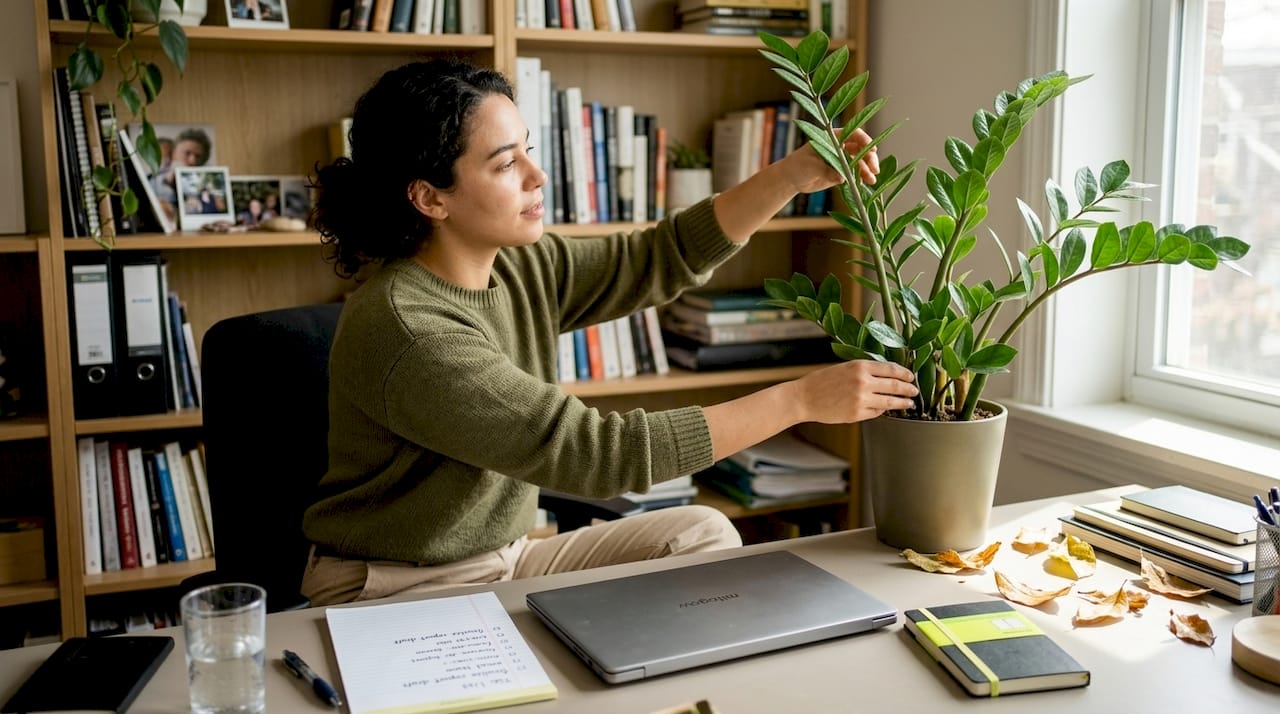
The ZZ plant dominates beginner recommendations because it tolerates neglect better than almost any other houseplant. Its thick rhizomes store water for weeks, making it nearly impossible to kill through underwatering. ZZ, Snake, and Pothos require minimal care with easy rotation and basic attention. ZZ plants thrive in light conditions ranging from 200 to 1,000 lux, adapting to nearly any indoor environment without complaint. The glossy leaves stay attractive even when you forget to water for three weeks.
Snake plants earn their reputation as the ultimate air purifier with minimal light needs. They convert CO2 to oxygen at night, unlike most plants that only photosynthesize during daylight hours. This makes them ideal bedroom companions. Snake plants tolerate watering once every two to three weeks and survive in corners that receive as little as 150 lux. Their upright growth habit fits narrow spaces that can’t accommodate spreading varieties.
Pothos vines adapt to moderate light conditions while growing fast enough to provide visible progress and satisfaction. You can propagate new plants from stem cuttings in plain water, making them perfect for sharing with friends or expanding your collection without additional cost. Pothos varieties include golden, marble queen, and neon cultivars that add color variation to your indoor landscape. They signal water needs clearly through slight leaf drooping, preventing the guesswork that kills more finicky species.
Peace lilies need more careful acclimatization than the previous three species but reward you with elegant white blooms and significant air quality improvement. They remove volatile organic compounds including benzene, formaldehyde, and trichloroethylene from indoor air more effectively than most houseplants. Peace lilies prefer consistent moisture and humidity above 50 percent, making them intermediate-level plants. Their dramatic wilt when thirsty provides unmistakable watering cues, though repeated stress from severe wilting shortens their lifespan.
Spider plants combine resilience with decorative appeal through cascading variegated foliage and prolific plantlet production. They tolerate a wide range of light conditions from 500 to 2,500 lux and forgive occasional watering lapses. Spider plants naturally produce offsets on long stems that you can root in soil or water, creating an endless supply of new plants. Their moderate care requirements and air-purifying capacity make them excellent choices for offices and bedrooms.
Here’s how to match plants to your actual experience level:
- True beginners: Start with ZZ or Snake plants that survive two-week neglect periods
- Casual gardeners: Add Pothos and Spider plants once you establish consistent weekly check-ins
- Enthusiasts: Introduce Peace lilies and apply biostimulants during acclimatization for higher success rates
- Advanced growers: Experiment with humidity-loving species using supplemental misting and microbial treatments
Comparing indoor plants: benefits, care needs, and air purification
Different species deliver distinct benefits beyond basic aesthetics. Snake plant and Peace lily combinations enhance VOC phytoremediation indoors through complementary metabolic pathways. Snake plants excel at removing formaldehyde while Peace lilies target benzene and trichloroethylene, creating synergistic air quality improvement when placed in the same room. This strategic pairing delivers measurably better results than relying on a single species.
The comparison table below synthesizes care requirements, benefits, and special considerations for the five most popular indoor plant types. Use this data to select species that match your available light, watering commitment, and desired air quality outcomes. Notice how biostimulant responsiveness varies, with some species showing dramatic improvement while others demonstrate minimal difference.
| Plant Type | Light Needs (Lux) | Watering Frequency | Air Purification | Biostimulant Benefit | Special Care |
|---|---|---|---|---|---|
| ZZ Plant | 200-1,000 | Every 2-3 weeks | Moderate | Low | Avoid overwatering |
| Snake Plant | 150-1,500 | Every 2-3 weeks | High (nighttime O2) | Low | Well-draining soil |
| Pothos | 500-2,000 | Weekly | Moderate | Medium | Prune for bushiness |
| Peace Lily | 1,000-2,500 | Twice weekly | Very High | High | Maintain humidity |
| Spider Plant | 500-2,500 | Weekly | Moderate | Medium | Remove brown tips |
Light intensity monitoring prevents photoinhibition in high-light species and etiolation in low-light varieties. Photoinhibition occurs when light exceeds a plant’s photosynthetic capacity, damaging chloroplasts and causing bleached or brown patches on leaves. This commonly affects Peace lilies placed in direct sun. Conversely, insufficient light causes etiolation, where plants develop long, weak stems with pale, widely spaced leaves as they stretch toward light sources.
Combining multiple species creates visual interest while maximizing air purification across different volatile organic compounds. A trio of Snake plant, Pothos, and Peace lily in a bedroom removes a broader spectrum of indoor air pollutants than three specimens of any single species. This diversity also provides learning opportunities as you observe how different plants respond to identical environmental conditions.
Pro Tip: Bottom watering prevents the chronic overwatering that kills more houseplants than any other factor. Place pots in a tray of water for 20 minutes, allowing soil to absorb moisture through drainage holes, then remove excess water. This technique encourages deeper root growth and eliminates the guesswork of how much to pour from above.
Tailored recommendations for your indoor plant care routine
Your lifestyle and space constraints should drive plant selection more than aesthetic preferences. Beginners working long hours need species that tolerate inconsistent attention. Choose ZZ or Snake plants that survive two-week business trips without wilting or dropping leaves. These species store water in rhizomes or thick leaves, providing built-in drought insurance that prevents the guilt and discouragement of returning home to dead plants.
Enthusiasts ready to invest more time should apply microbial biostimulants and custom soil mixes to reduce rot and stress effects during acclimatization. A quality potting mix combines peat moss or coco coir for moisture retention, perlite for drainage, pine bark for structure, and activated charcoal to absorb excess minerals and prevent fungal growth. This balanced medium prevents the root rot that kills plants in standard commercial potting soil that stays waterlogged.
Microbial biostimulants containing beneficial bacteria and mycorrhizal fungi colonize root zones within days of application. These microorganisms extend effective root surface area by up to 50 percent, allowing plants to access water and nutrients from a larger soil volume. The result is faster establishment, improved stress tolerance, and visibly healthier growth during the critical first month after bringing plants home or repotting established specimens.
Foliar seaweed biostimulants provide rapid stress relief during repotting, seasonal changes, or recovery from pest damage. Spray diluted seaweed extract on leaves every two weeks during high-stress periods to deliver growth hormones, micronutrients, and organic compounds that support cellular repair. This treatment shows visible results within one to two weeks, with leaves regaining color and firmness.
Weekly plant rotation ensures even growth and prevents the lopsided development that occurs when one side faces the light source constantly. Turn pots 90 degrees each week so all sides receive equal light exposure over the course of a month. This simple habit produces symmetrical, attractive plants without requiring additional care time or resources.
Here are your personalized care strategies based on experience level:
- Beginners: Select two ZZ or Snake plants, water every two weeks, rotate weekly, skip fertilizer for the first six months
- Intermediate: Add Pothos or Spider plants, create custom soil mix with perlite and bark, apply microbial biostimulant at planting
- Advanced: Introduce Peace lilies, use foliar seaweed treatments during stress periods, monitor humidity and adjust with humidifier
- Enthusiasts: Experiment with multiple species combinations, track growth rates, optimize light with supplemental LEDs
Discover biostimulant solutions to boost your indoor plants
The care strategies outlined above work even better when you leverage scientifically formulated biostimulants designed specifically for indoor plant challenges. While traditional fertilizers add nutrients, biostimulants activate your plants’ internal systems to use existing resources more efficiently. This cellular-level support proves especially valuable during acclimatization when plants transition from nursery conditions to your home environment.
Microbial treatments establish beneficial root zone communities that improve nutrient uptake by up to 50 percent. Foliar applications deliver rapid stress relief during repotting or seasonal changes. These tools transform struggling plants into thriving specimens within weeks, not months. If you’re ready to take your indoor gardening beyond basic care, explore biostimulant products for indoor plants that support plant health at the cellular level. You’ll discover solutions designed for every stage from initial planting through long-term maintenance and even revival of plants that appear beyond saving.
Frequently asked questions about indoor plants
What are the easiest indoor plants to care for?
ZZ plants and Snake plants top the list for beginners because they tolerate neglect, low light, and infrequent watering. Both species store water in specialized tissues, surviving two to three weeks between waterings without wilting. They adapt to light levels as low as 150 to 200 lux, making them viable for offices and rooms with small windows.
How do I know if my plant needs a biostimulant?
Apply biostimulants during high-stress periods including initial acclimatization, repotting, seasonal changes, or recovery from pest damage. Signs that biostimulant treatment would help include slow growth despite adequate light and water, pale or yellowing leaves, or visible stress after environmental changes. Microbial products work best at planting, while foliar seaweed treatments provide rapid relief during active stress.
Can indoor plants improve air quality significantly?
Yes, but you need multiple plants and the right species. Peace lilies, Snake plants, and Pothos remove measurable amounts of volatile organic compounds including formaldehyde, benzene, and trichloroethylene. Research suggests 6 to 8 medium-sized plants per 1,000 square feet for noticeable air quality improvement. Combining species with different metabolic pathways maximizes pollutant removal across a broader spectrum.
What lighting do most indoor plants require?
Most popular houseplants need 1,000 to 2,500 lux for healthy growth, though low-light species like ZZ and Snake plants survive on 200 to 500 lux. Measure actual light levels with a lux meter rather than guessing, since perceived brightness often exceeds actual photosynthetically active radiation. Supplement with LED grow lights when natural light falls below species requirements.
What soil mix is best to prevent root rot?
Combine equal parts peat moss or coco coir, perlite, and pine bark with a small amount of activated charcoal. This mixture balances moisture retention with drainage, preventing the waterlogged conditions that cause root rot. Avoid straight commercial potting soil, which often stays too wet for most houseplants. The perlite and bark create air pockets that allow roots to breathe between waterings.