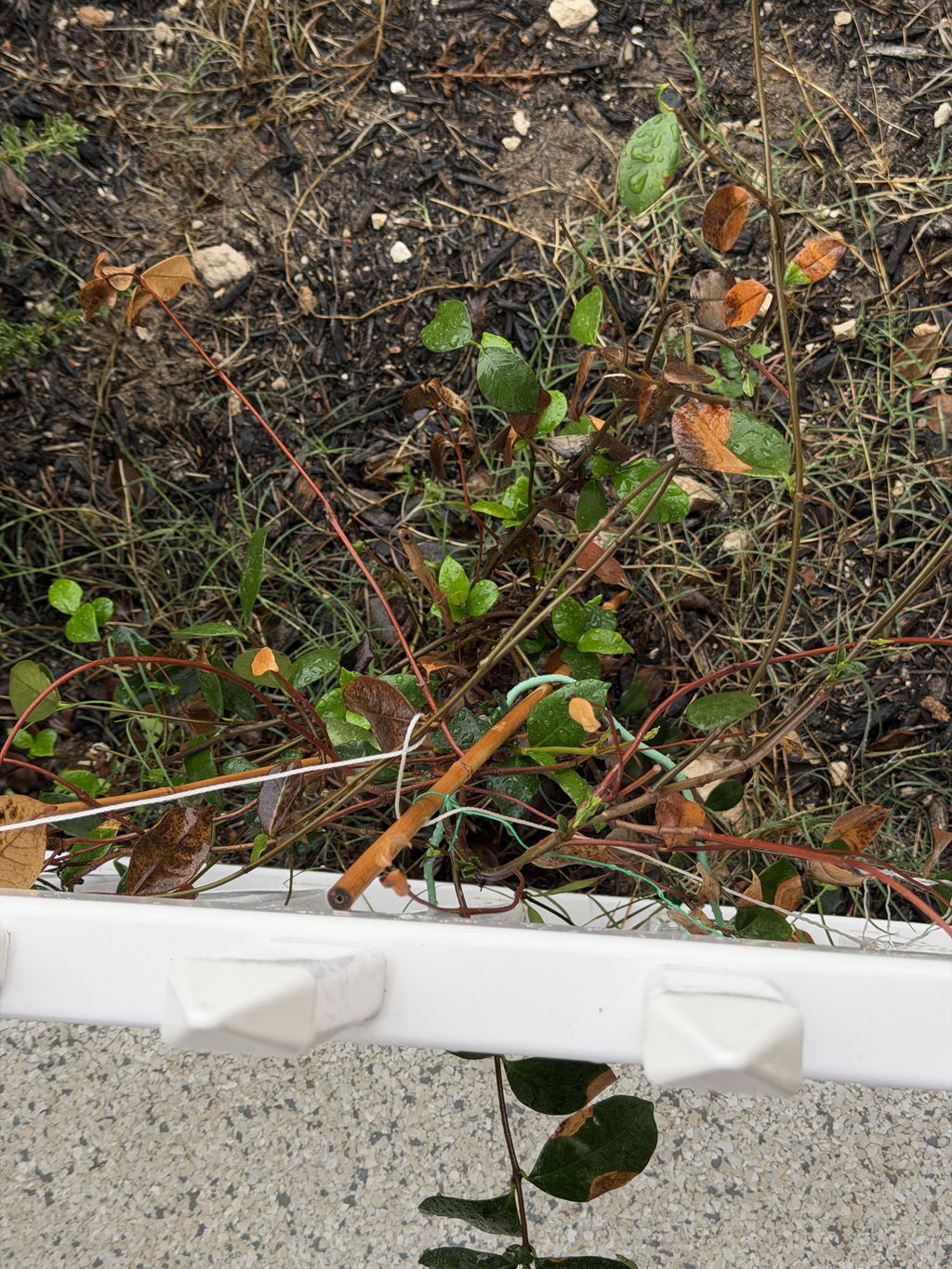
Why indoor plants fail: expert causes and proven solutions
You followed the care instructions. You watered consistently, found a sunny spot, and even talked to your leafy friends. Yet somehow, your plants are still struggling. The frustrating truth is that most indoor plant failures come down to a handful of very fixable mistakes, not some mysterious plant-whispering gift you either have or you don’t. Understanding exactly what goes wrong, and why, is the first step toward turning things around. This guide breaks down the real reasons your plants are suffering and gives you clear, actionable ways to help them thrive again.
Understanding the most common causes of indoor plant failure
Most houseplant problems trace back to a surprisingly short list of culprits. Once you know what to look for, diagnosing your plant becomes much less overwhelming and a lot more empowering.
Overwatering is the number one cause of indoor plant failure, leading to root rot by depriving roots of the oxygen they need to survive. Roots sitting in waterlogged soil essentially suffocate, and by the time you notice yellowing leaves or a mushy stem, the damage is often well underway. It’s one of those care habits that feels nurturing but works against your plant.
Light is another major factor that many people underestimate. Insufficient light causes leggy growth, pale leaves, smaller-than-normal leaves, and noticeably slowed growth. A plant stretching toward a window or producing tiny, washed-out leaves is essentially telling you it’s hungry for more sun.
Here’s a quick overview of the most common failure points and their telltale signs:
| Cause | Visible symptoms |
|---|---|
| Overwatering | Yellow leaves, mushy stems, soggy soil |
| Underwatering | Dry, crispy leaves, wilting, bone-dry soil |
| Low light | Leggy stems, pale or small leaves |
| Low humidity | Brown leaf tips, leaf drop |
| Temperature stress | Scorched, yellowed, or wilting leaves |
| Pests | Sticky residue, spots, webbing, tiny insects |
| Nutrient deficiency | Yellowing older leaves, stunted growth |
Beyond water and light, a few other silent threats deserve attention:
- Low humidity: Indoor heating and air conditioning strip moisture from the air, stressing tropical plants that crave humidity.
- Temperature extremes: Cold drafts near windows or heat from radiators can shock plants that prefer stable conditions.
- Pests: Mealybugs, spider mites, aphids, and fungus gnats often go unnoticed until a plant is seriously weakened.
- Nutrient deficiencies: Potting mix loses its nutrients over time, leaving plants without the fuel they need to grow.
The good news? Every single one of these issues is manageable once you know what you’re dealing with.
The silent problem: Why water and soil can work against you
Water and soil are where most plant parents go wrong, and the tricky part is that overwatering and underwatering can look almost identical at first glance. Both cause wilting. Both cause yellowing. The difference is in the soil.
Overwatering remains the number one cause of indoor plant failure, but underwatering is a close second. Here’s how to tell them apart:
| Symptom | Overwatered | Underwatered |
|---|---|---|
| Soil feel | Wet, compacted, or smelly | Bone dry, pulling away from pot edges |
| Leaves | Soft, yellow, mushy at base | Dry, crispy, curling inward |
| Stems | Soft or rotting at soil level | Firm but brittle |
| Recovery speed | Slow, needs drying out | Often quick after watering |
The fix starts with checking soil moisture correctly. Don’t rely on a schedule. Instead, push your finger about an inch into the soil. If it feels damp, wait. If it’s dry, water thoroughly until it drains from the bottom.
Poor drainage or the wrong potting mix makes overwatering risks much worse. A pot without drainage holes or a dense, compacted soil keeps roots sitting in water far longer than they should. Most tropical houseplants do best in a well-draining mix that holds some moisture without becoming waterlogged.
Here’s a simple process for getting your water and soil routine right:
- Always use pots with drainage holes.
- Choose a potting mix suited to your plant type (cactus mix for succulents, peat-based mix for tropicals).
- Check soil moisture before every watering session.
- Water deeply and less frequently rather than a little every day.
- Empty saucers after watering so roots aren’t sitting in standing water.
Pro Tip: Lift your pot before and after watering. A light pot means dry soil; a heavy pot means it still has moisture. This simple habit can prevent most overwatering mistakes without any tools.
Light, temperature, and humidity: The environmental factors you can control
Once water and soil are sorted, the next layer of plant care is the environment around your plant. These factors are easy to overlook because they’re invisible, but they make an enormous difference.
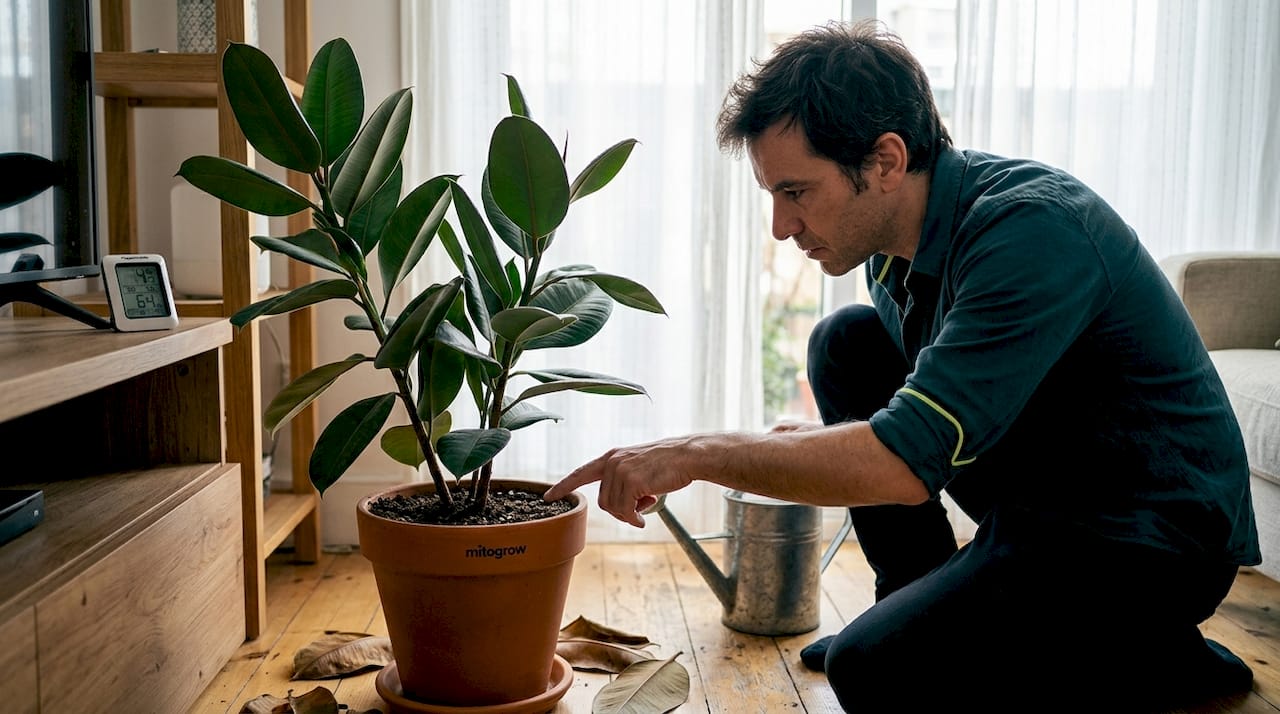
Light is the most misunderstood variable. Insufficient light causes leggy growth, pale leaves, and stunted development, but too much direct sun can scorch leaves just as quickly. Signs your plant needs more light include stems reaching awkwardly toward a window, leaves fading to a washed-out green, and very slow or no new growth.
Signs your plant is getting too much direct sun include bleached or papery patches on leaves, sudden leaf drop, and dry, scorched edges. Moving a plant a few feet back from a south-facing window, or adding a sheer curtain, can fix this fast.
Temperature is another factor that catches people off guard. Incorrect temperatures from drafts or radiators lead to leaf scorch, yellowing, or wilting. Most houseplants prefer stable temperatures between 60°F and 75°F. Placing plants near an exterior door, a drafty window, or directly above a heating vent creates stress they struggle to recover from.
“Plants near radiators or cold windows experience temperature swings that mimic outdoor stress, triggering a survival response that slows growth and causes leaf damage.”
Low humidity from indoor heating causes brown, crispy leaf tips and edges, and can lead to leaf drop, especially in winter. Central heating drops indoor humidity dramatically. Tropical plants like ferns, calatheas, and peace lilies feel this most.
Simple ways to raise humidity without a humidifier:
- Group plants together so they share moisture through transpiration.
- Place pots on a tray of pebbles filled with water (but keep the pot above the waterline).
- Mist leaves lightly in the morning, not at night.
- Move humidity-loving plants to a bathroom or kitchen where moisture levels are naturally higher.
Pro Tip: A small digital hygrometer (around $10 at most hardware stores) tells you exactly what the humidity level is in your space. Most tropical houseplants prefer 40% to 60% relative humidity.
Pests, nutrients, and the supermarket plant trap
Even when your care routine is solid, pests and nutrient gaps can quietly undo all your hard work. These are the hidden threats that catch even experienced plant parents off guard.
Pests like mealybugs, spider mites, aphids, and fungus gnats weaken plants gradually, making early detection the most important defense. By the time a plant looks visibly distressed from pests, the infestation is usually well established. Weekly visual checks under leaves and along stems are your best prevention strategy.
Watch for these warning signs:
- White cottony clusters (mealybugs)
- Fine webbing on leaves or stems (spider mites)
- Sticky residue on leaves or nearby surfaces (aphids or scale)
- Tiny flies hovering around soil (fungus gnats)
- Yellowing or stippled leaves with no obvious cause
Nutrient deficiencies from long-term potting without feeding cause yellowing, especially in older leaves, and stunted growth. Potting mix typically loses its nutrients within three to six months. A balanced liquid fertilizer applied during the growing season (spring through summer) keeps your plants well-fed without overloading them.
Then there’s the supermarket plant trap, a real phenomenon that trips up so many new plant parents. Supermarket plants often fail due to stress from poor nursery conditions, inconsistent watering, and overcrowding before you even bring them home. These plants have often been sitting under artificial lights, in cramped conditions, with irregular care. They look healthy on the shelf but are already stressed.
When you bring a supermarket plant home, give it a two-week adjustment period before changing anything. Let it settle into your light and temperature conditions before repotting or fertilizing.
Pro Tip: Inspect any new plant carefully before bringing it indoors. Check under leaves, along stems, and at the soil surface for signs of pests. Quarantine new plants for a week or two before placing them near your existing collection.
Adapting your care with the seasons
One of the most overlooked aspects of indoor plant care is the fact that your plants’ needs genuinely shift with the seasons. What works in July can actively harm your plants in January.
Water less in winter because lower light levels mean slower growth, and slower growth means plants use water much more slowly. Keeping the same watering schedule year-round is one of the most common reasons plant problems peak in the colder months.
Here’s a seasonal adjustment checklist to keep your plants thriving all year:
- Winter: Reduce watering frequency, move plants closer to windows for maximum light, keep away from cold drafts and radiators, and hold off on fertilizing until spring.
- Spring: Gradually increase watering as growth resumes, start a regular feeding schedule, and consider repotting plants that have outgrown their containers.
- Summer: Monitor soil moisture more frequently as heat increases evaporation, watch for pests (they thrive in warm conditions), and protect plants from intense afternoon sun.
- Fall: Begin tapering off fertilizer, check for pests before bringing outdoor plants inside, and prepare plants for the slower winter period.
“Seasonal awareness is one of the simplest shifts a plant parent can make, and it pays off in healthier, more resilient plants year-round.”
Edge cases matter too: succulents and cacti need much less water than most people give them, especially in winter. Variegated plants revert to all-green growth in low light because the plant prioritizes chlorophyll production. Poinsettias are notoriously sensitive to drafts and will drop leaves almost immediately if placed near a door or window with cold air.
Knowing your specific plant’s quirks, and adjusting for the season, is what separates thriving indoor gardens from perpetually struggling ones.
Our perspective: The overlooked attitude that makes or breaks indoor plant success
Here’s something the plant care world doesn’t say enough: most people don’t fail because they lack the right products or techniques. They fail because they’re looking for quick fixes instead of building good ongoing habits.
The real secret to thriving plants is observation. Not perfection. Not the most expensive soil or the fanciest grow light. Just paying attention to what your plants are actually telling you, and responding thoughtfully. Healthy conditions prevent most issues, and routine treatments are secondary to getting the environment right in the first place.
Plant care is less like following a recipe and more like building a relationship. Your plants give you constant feedback through their leaves, their posture, their growth rate. Learning to read that feedback, and trusting yourself to experiment and adjust, is what actually builds long-term success. Patience isn’t a passive quality here. It’s an active, empowering one. The plant parents who thrive are the ones who stay curious, stay observant, and resist the urge to overcorrect every time something looks slightly off.
Ready to transform your indoor plant care?
Now that you understand what’s really going wrong with your plants, you’re already ahead of most people. The next step is putting that knowledge into action with the right support. mitogrow’s biostimulant formula is designed specifically for indoor plants, helping them absorb nutrients more efficiently and recover from stress faster, whether they’re dealing with transplant shock, pest recovery, or just a rough winter. If you’re ready to stop guessing and start seeing real results, explore indoor plant care guidance at mitogrow.com and find the formula that fits your plants’ needs. It’s not dead yet.
Frequently asked questions
What is the single biggest reason indoor plants die?
Overwatering is the most common cause of indoor plant failure, leading to root rot by cutting off the oxygen supply to roots. Letting soil dry out slightly between waterings is the simplest preventive step.
How do I know if my plant needs more light?
If leaves are pale, smaller than usual, or stems look leggy and stretched, your plant is likely not getting enough light. Insufficient light causes leggy growth and slowed development that’s easy to spot once you know what to look for.
Why do my plant’s leaves turn brown at the tips in winter?
Low humidity from indoor heating causes brown, crispy leaf edges during winter months. Grouping plants together or using a pebble tray with water can help raise humidity naturally.
Are supermarket plants harder to keep alive?
Yes, because supermarket plants often fail due to stress from transport, inconsistent watering, and overcrowding before purchase. Giving them a quiet two-week adjustment period at home before making any changes helps a lot.
How should I change my plant care in winter?
Reduce watering frequency and keep plants away from drafts or radiators, since growth slows in winter and plants need far less water during low-light months. Hold off on fertilizing until spring when growth resumes.