Plant Stress Recovery: Help Plants Bounce Back
Share
A wilted leaf after a hot afternoon does not always mean a plant is finished. Drought, heat, cold, transplanting, overwatering, root damage, and abrupt light changes can all interrupt normal growth. But plants may begin to recover when the stressor is corrected and conditions stabilize.
Explore mitogrow's science behind plant support
Plant stress recovery starts with identifying and reducing the cause, then stabilizing water, light, temperature, roots, and pest pressure. Biostimulants can provide complementary support during that process, but they do not replace sound care or normal nutrition.
Recovery is not an instant fix. A plant may pause growth while it protects essential functions, then redirect resources toward new roots and shoots once the environment improves. That is why the right first step is diagnosis, not adding another input. Understanding what stress does inside a plant makes it easier to choose practical care and set realistic expectations.
What Is Plant Stress Recovery?
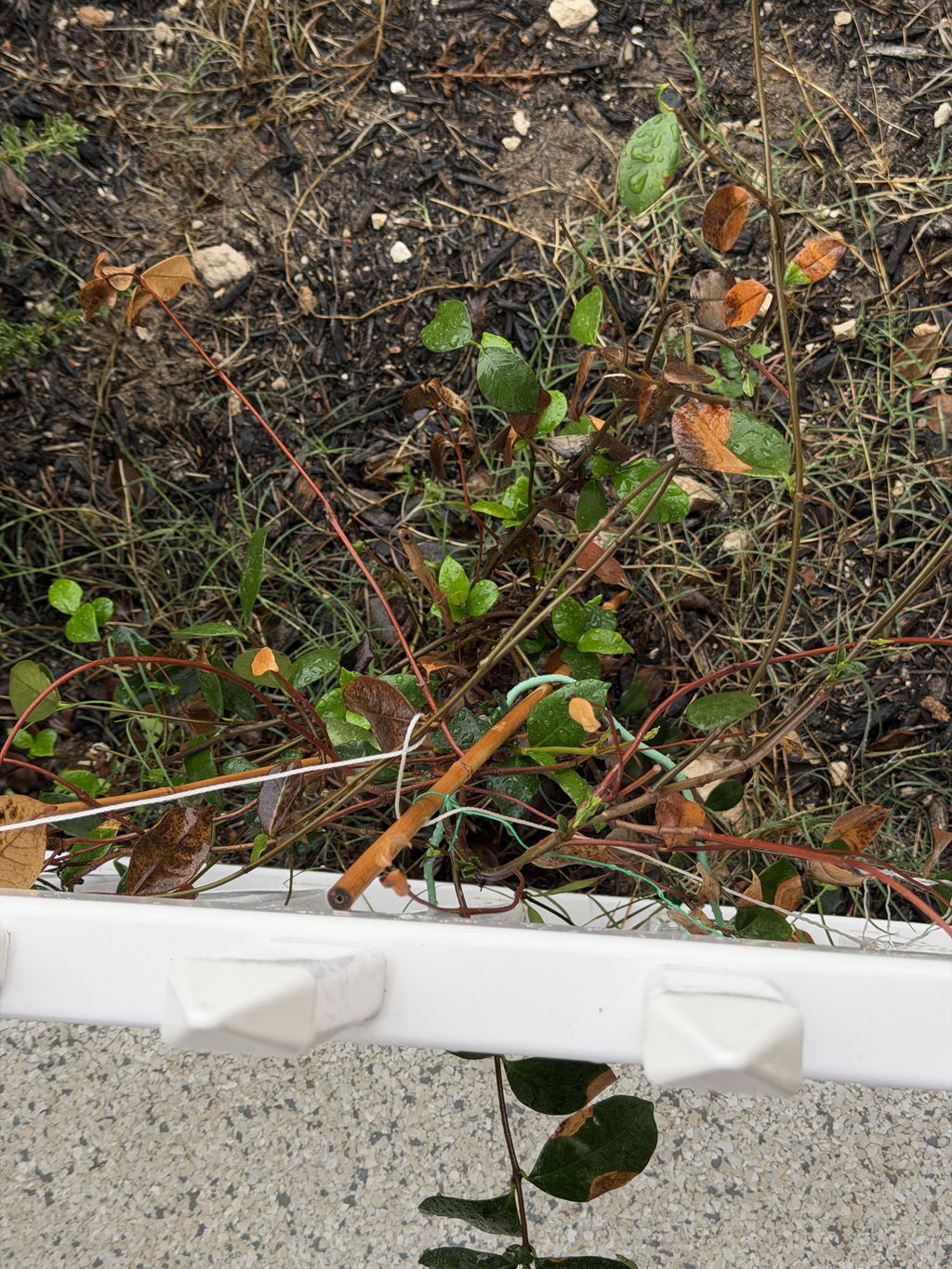
Plant stress recovery is the process a plant uses to regain normal function after conditions disrupt its growth. Stress can come from drought, excessive heat, cold, transplanting, overwatering, root damage, pests, salt buildup, or an abrupt change in light. The visible result may be wilting, leaf scorch, stalled growth, yellowing, or poor establishment, but the underlying response happens throughout the plant.
Recovery is more than making a plant grow faster
When a plant is stressed, growth may pause while it protects essential tissues and adjusts to its environment. Research on plant growth describes a pause-and-resume process: when the stress is removed and favorable conditions return, roots can resume growth. In one reported study, root growth resumed within about 24 hours after plants returned to normal conditions. But that observation came from specific experimental conditions and should not be treated as a universal timeline. Read more about how plants pause and restart growth.
That distinction matters in the garden. A recovering plant may first stabilize water movement, protect new growth, rebuild roots, or respond to pathogens before it produces obvious leaves, flowers, or height. Pushing for rapid top growth while the original problem remains can add pressure rather than solve the cause. Effective care starts by identifying and reducing the stressor, then keeping light, moisture, temperature, roots, and pest conditions as stable as possible.
Why conditions and timing matter
Recovery does not look identical for every plant. A short stress event may leave effects that influence later growth, while prolonged or intense stress can move a plant from a productive state into a low-productivity or failure state. Research also suggests that stress memory can affect how a plant responds to a later event, with the plant's developmental stage and current conditions influencing the outcome. In practical terms, a plant that looks better after watering may still need time and consistent care before it is fully re-established.
Heat illustrates why recovery should not be confused with a quick fix. Excessive temperatures can impair photosynthesis and respiration and contribute to cellular damage, according to a review of plant heat-stress research. Understanding the plant heat-stress response helps explain why shade, appropriate watering, and a stable environment come before any supportive input.
Supportive care comes first
mitogrow approaches recovery as supportive plant care, not a replacement for solving the underlying problem or providing normal nutrition. Its biostimulant products are positioned as complementary to fertilizer. Once the stressor is addressed, growers can consider a product suited to the plant and follow its label. The goal is not to force a stressed plant into immediate growth. It is to give the plant a better opportunity to stabilize, resume healthy processes, and continue developing as conditions allow.
How to Tell When a Plant Is Under Stress
Plants do not always announce trouble with one dramatic symptom. A plant under stress may stop producing new growth, wilt even when the soil is damp, develop yellow or scorched leaves, shed buds, or show stalled roots. These signs tell you that the plant is struggling, but they do not identify the cause by themselves. Diagnosis should come before treatment.
Start with the newest changes
Look at when the symptoms began and what changed just before them. A missed watering or prolonged drought often causes limp leaves, curled edges, and slowed growth. Heat can intensify water loss and damage the systems plants use for photosynthesis and respiration, while cold can pause growth and leave tender tissue discolored. Sudden movement from shade to strong sun can scorch leaves, even when the watering routine has stayed the same.
Transplanting is another common trigger. Disturbed roots may temporarily limit water uptake, so a recently moved plant can wilt despite moist soil. Check the root zone rather than adding more water automatically. Saturated, slow-draining soil can reduce oxygen around roots and create conditions that resemble drought stress. Soft roots, a sour smell, or persistent yellowing may point to overwatering or root damage instead.
Check for less obvious causes
Inspect both sides of leaves and the stems for insects, webbing, stippling, sticky residue, or distorted new growth. Pests can create symptoms that look like heat or nutrient problems. Salt buildup from irrigation water or repeated inputs may appear as a crust on the soil surface and browned leaf margins. Also consider a recent change in window placement, grow-light distance, shade cover, or nearby reflective heat.
A useful cause-first check is simple. Compare the plant's light, temperature, moisture, drainage, roots, and foliage with its normal conditions. Correct the clearest stressor gradually, then observe before making several changes at once. Plants can pause growth during stress and resume when conditions stabilize, but recovery depends on the plant, the severity of the event, and the care that follows. For a closer look at support after transplanting, see recovering from transplant stress. Once the cause is addressed, supportive care, including an appropriate mitogrow biostimulant, can fit into a broader plant stress recovery plan without replacing sound watering, light, temperature, or pest management.
The First Steps for Plant Stress Recovery
When a plant declines, the fastest path forward is usually not adding more products. Start by finding the condition that is still causing harm. Recovery depends on giving the plant a stable environment long enough to redirect energy toward roots, leaves, and new growth. Use this sequence for indoor plants, containers, beds, and landscape plants, adjusting each step to the plant's species and growing conditions.
- Identify the likely stressor. Review what changed before symptoms appeared. Common triggers include drought, overwatering, poor drainage, heat, cold, transplanting, abrupt light changes, salt buildup, root damage, and pests. Check the leaves, stems, soil surface, pot drainage holes, and the area around the plant. Look for insects, webbing, foul odors, compacted soil, or roots that are dark and soft. A diagnosis does not need to be perfect, but you should avoid treating a symptom while the underlying stress continues.
- Stabilize light and temperature. Protect a heat-stressed plant from harsh afternoon sun while it regains balance, but do not move a shade plant directly into intense light. Likewise, shield sensitive plants from cold drafts, frost, or sudden temperature swings. Make changes gradually when possible. Heat can interfere with photosynthesis and other cellular processes, so reducing additional exposure is more useful than expecting a stressed plant to push immediate new growth. Young seedlings deserve extra care because their roots and other organs are still developing.
- Correct watering and drainage. Check moisture below the surface rather than watering by calendar alone. If the root zone is dry, rehydrate thoroughly according to the plant's needs. If it is saturated, pause watering and improve drainage before adding more. Empty standing water from saucers, confirm that containers have open drainage, and avoid alternating extreme drought with flooding. Do not assume wilt always means a plant needs water; damaged roots can leave wet soil while the foliage still droops.
- Inspect roots and pests. For a container plant, slide the root ball out carefully when the condition of the roots is unclear. Healthy roots generally have a firm texture, while mushy, dark, or foul-smelling roots may indicate prolonged excess moisture. Check leaf undersides and stem joints for pests. Isolate affected indoor plants when practical, and use only a control method that is appropriate for the plant and the identified pest. For trees and established landscape plants, avoid disturbing major roots unless a qualified professional recommends it.
- Remove only clearly damaged material. Prune tissue that is dead, broken, or visibly diseased with clean tools. Keep living green tissue when it is still supporting the plant. Heavy pruning, repotting, or transplanting can create another stress event, so avoid stacking disruptive interventions unless there is a clear reason. If you use a mitogrow product as part of a broader recovery plan, choose the formula for the plant setting and follow the current product label exactly. Do not substitute it for normal nutrition or apply a stronger concentration because a plant looks weak. The label is the authority for directions, compatibility, precautions, and application timing.
- Monitor before making another major change. Record the date, watering, light changes, and visible symptoms. Watch for firmer stems, stabilized leaf loss, fresh root growth, or new leaves rather than demanding instant results. Research shows that plants can pause growth during stress and resume it after conditions improve. But recovery varies by species, age, root condition, and the severity of the event. Keep care consistent, reassess after a reasonable interval, and seek local horticultural guidance when symptoms spread or the plant continues to decline.
Once the stressor is controlled, supportive care has a better chance of helping. For container plants, review the Pots & Planters option from mitogrow and compare its directions with the plant's needs before applying anything.
How Biostimulants Support Plant Recovery
When a plant is struggling, nutrition is only one part of the picture. Drought, heat, cold, transplanting, root damage, overwatering, pests, salt buildup, and sudden changes in light can all disrupt normal growth. The first priority is to identify the stressor and correct it. Stabilize watering, light, temperature, roots, and pest pressure before expecting any input to do the work of recovery.
A biostimulant can then serve as complementary support. In simple terms, it is more like plant fuel or an electrolyte than a replacement for a balanced nutrition program. Fertilizer supplies nutrients plants need for growth. A biostimulant is used to support the plant's ability to respond to conditions, establish roots, and make use of the care already being provided. It should be used alongside appropriate nutrition, not instead of it.
| Fertilizer nutrition | Biostimulant support |
|---|---|
| Provides essential mineral nutrients needed for plant growth, maintenance, and reproduction. | Complements the care program by supporting plant processes related to establishment, resilience, and recovery. |
| Addresses a nutrient supply need when the product and application match the plant and growing conditions. | May be useful when a plant is navigating stress, but results depend on the stressor, plant condition, timing, and environment. |
| Does not correct every problem caused by damaged roots, unstable moisture, pests, or unsuitable light. | Cannot compensate for a continuing stressor or replace normal nutrition and sound plant care. |
Evidence also needs to be read in context. The mitogrow knowledge base reports a Texas A&M study. Plants receiving the tested treatment had a 52 percent greater diameter increase than plants receiving fertilizer alone. They also had a 128 percent greater increase than the control group. Those are reported results from that study's conditions, not a universal promise for every species, container, landscape, or recovery situation. Plant response can vary with developmental stage, prior stress, growing conditions, and the quality of care that follows.
For a closer look at the ingredients, plant biology, and research behind this approach, explore the science behind biostimulants. Think of that information as a guide to informed care, not a reason to skip diagnosis. A severely damaged plant may need time, pruning, repotting, pest control, or professional assessment before any supportive input can help.
Choosing Care for Potted Plants, Beds, and Trees
Plant stress recovery starts with matching care to the plant's growing environment. A houseplant in a container does not face the same root, moisture, or temperature conditions as a flower bed or an established tree. Before adding a biostimulant, identify the likely stressor, correct the basics, and choose support designed for the plant category. That approach keeps recovery practical and avoids treating every decline the same way.
Indoor and outdoor container plants
Potted plants have a limited root zone, so watering mistakes, compacted media, salt buildup, abrupt light changes, and temperature swings can affect them quickly. Check whether the container drains freely and whether the growing medium is staying wet or drying too fast. Move an indoor plant away from a harsh draft or sudden direct sun, and make outdoor containers easier to protect during extreme weather. Once conditions are stable, Pots & Planters is the relevant mitogrow option for indoor and outdoor container plants. Follow the product label and continue observing new growth, leaf condition, and moisture behavior rather than expecting an instant change.
Flowers and ornamental beds
Flowering plants and ornamental beds need a different recovery lens. Inspect the planting area for uneven moisture, damaged stems, heat exposure, root disturbance, pests, or crowded growth. Remove severely damaged material when appropriate, but do not prune aggressively while the plant is already under stress. Restore consistent watering and provide light conditions suited to the species. For non-woody flowers, seasonal refreshes, new plantings, and weather-related setbacks, Bloom & Bed is the category-specific mitogrow choice. Use it as supportive care alongside sound site management, not as a substitute for diagnosing the problem.
Woody landscape trees and shrubs
Trees and shrubs often recover more slowly because their root systems, trunks, and branches respond over a longer timeframe. Look for transplant stress, root damage, drought, heat, cold, soil compaction, or construction-related disturbance. Water deeply and appropriately for the site, keep competing weeds away from the root zone, and avoid piling mulch against the trunk. New plantings and recently transplanted trees deserve especially close monitoring for canopy condition and fresh growth. The Tree & Shrub biostimulant is formulated for woody plants, landscape installations, seasonal maintenance, and stress recovery.
Whichever setting you are treating, use the plant's response to guide the next step. Recovery may mean steadier moisture, firmer new growth, improved leaf color, or gradual return to normal development. Give the plant time, keep the stressor from returning, and use the category-specific mitogrow support that fits its root environment.
How Long Does Plant Stress Recovery Take?
There is no dependable recovery clock that applies to every plant. A mildly stressed plant may show steadier posture or new root activity after conditions improve, while a plant with damaged roots, prolonged drought, severe heat, or ongoing pest pressure may need much longer. The timeline depends on the severity and duration of the stress, the plant type, its developmental stage, the season, and whether the original cause has actually been corrected.
Recovery also does not always mean immediate visible growth. Plants can pause growth while they protect essential functions, then resume once conditions stabilize. In one research example, root growth resumed normally within about 24 hours after the stress was removed and plants returned to normal growing conditions. That observation describes a specific experiment and root-growth response; it is not a promise that a potted plant, tree, or landscape bed will visibly recover in one day. Research on how plants pause and restart growth helps explain why the cause and the growing conditions matter so much.
What can change the timeline?
- Stress severity: Brief wilting after a hot afternoon is different from tissue damage caused by prolonged heat or drought. Heat stress can impair photosynthesis and respiration, so recovery may involve more than restoring moisture. Academic research on plant heat stress describes these cellular effects.
- Root condition: Healthy roots can support a return to normal function more effectively than roots damaged by overwatering, physical disturbance, salt buildup, or disease. Root damage can delay improvement even when leaves receive better light and water.
- Plant type and season: Seedlings, mature trees, flowering plants, and indoor containers do not respond at the same pace. Temperature, light, and active growth also change with the season.
- Cause correction: Recovery cannot progress reliably if the plant is still exposed to the same excess heat, poor drainage, abrupt light change, pest pressure, or watering problem.
How to tell whether recovery is beginning
Look for stabilization before expecting dramatic new growth. Leaves may stop worsening, stems may hold their position more firmly, and the root zone may begin responding to consistent moisture and improved conditions. New growth, fresh root development, or renewed flowering can be encouraging later signs, but damaged leaves may not return to their original appearance. Monitor the plant over time rather than reacting with repeated changes to water, light, or products.
If decline continues after the likely stressor has been corrected, seek help from a qualified local grower, arborist, nursery professional, or extension service. Do the same if roots smell foul, soil stays saturated, pests remain active, or damage spreads. Supportive care, including a properly matched biostimulant used according to its label, can complement sound nutrition and environmental care, but it cannot replace diagnosis or guarantee recovery.
Shop mitogrow biostimulants for your plant's setting
Frequently Asked Questions
FAQ guide
Use these concise answers alongside the detailed recovery steps above.
Cause first
Correct the underlying stressor before expecting supportive care to help.
Care stays consistent
Stable water, light, temperature, roots, and pest control create a better recovery setting.
How do you start plant stress recovery?
First identify and reduce the stressor, whether it is drought, heat, cold, overwatering, root damage, pests, salt buildup, transplanting, or a sudden light change. Then stabilize the plant's light, water, temperature, and root conditions. Remove badly damaged material when appropriate, avoid stacking multiple new treatments at once, and give the plant time to respond. A biostimulant can support this process, but it cannot replace correcting the underlying problem.
Starting point
Correct the cause before adding supportive care.
How can you relieve stress in a houseplant?
Check the potting mix and roots before watering again, confirm that the container drains freely, and move the plant away from harsh direct light, drafts, or sudden temperature changes. Keep care consistent while you watch for new growth, firmer stems, or improved leaf color. Pots & Planters is the mitogrow option intended for indoor and outdoor container plants, but follow the product label for application details.
Houseplant priority
Stable moisture and suitable light give a recovering plant a better foundation.
Can a biostimulant replace fertilizer when a plant is stressed?
No. A biostimulant is complementary plant support, not a replacement for normal nutrition. Use it alongside sound care and an appropriate fertilizer program when the plant needs nutrients. mitogrow describes its formulas as plant fuel that supports plant processes. The right formula depends on the plant setting, whether that is a container, an ornamental bed, or a woody plant.
Nutrition reminder
Supportive plant care works alongside, not instead of, normal nutrition.
How long does it take a plant to recover from stress?
There is no universal timeline. Recovery depends on the stressor, its intensity and duration, the plant's developmental stage, and whether conditions have stabilized. Some growth processes can resume quickly after stress is removed. Research reported root growth resuming within about 24 hours under normal conditions, but visible recovery for a whole plant may take longer. If decline continues, reassess the roots, water, light, pests, and temperature.
Timeline reminder
Watch for stabilization first, then allow time for visible new growth.
Get started with plant stress recovery
Once you have identified the stressor and stabilized your plant's growing conditions, the next step is choosing support that fits its setting and needs. Explore the science behind biostimulants, then shop mitogrow biostimulants to find an option for your plants. Use supportive care, careful observation, and time to guide the recovery process.