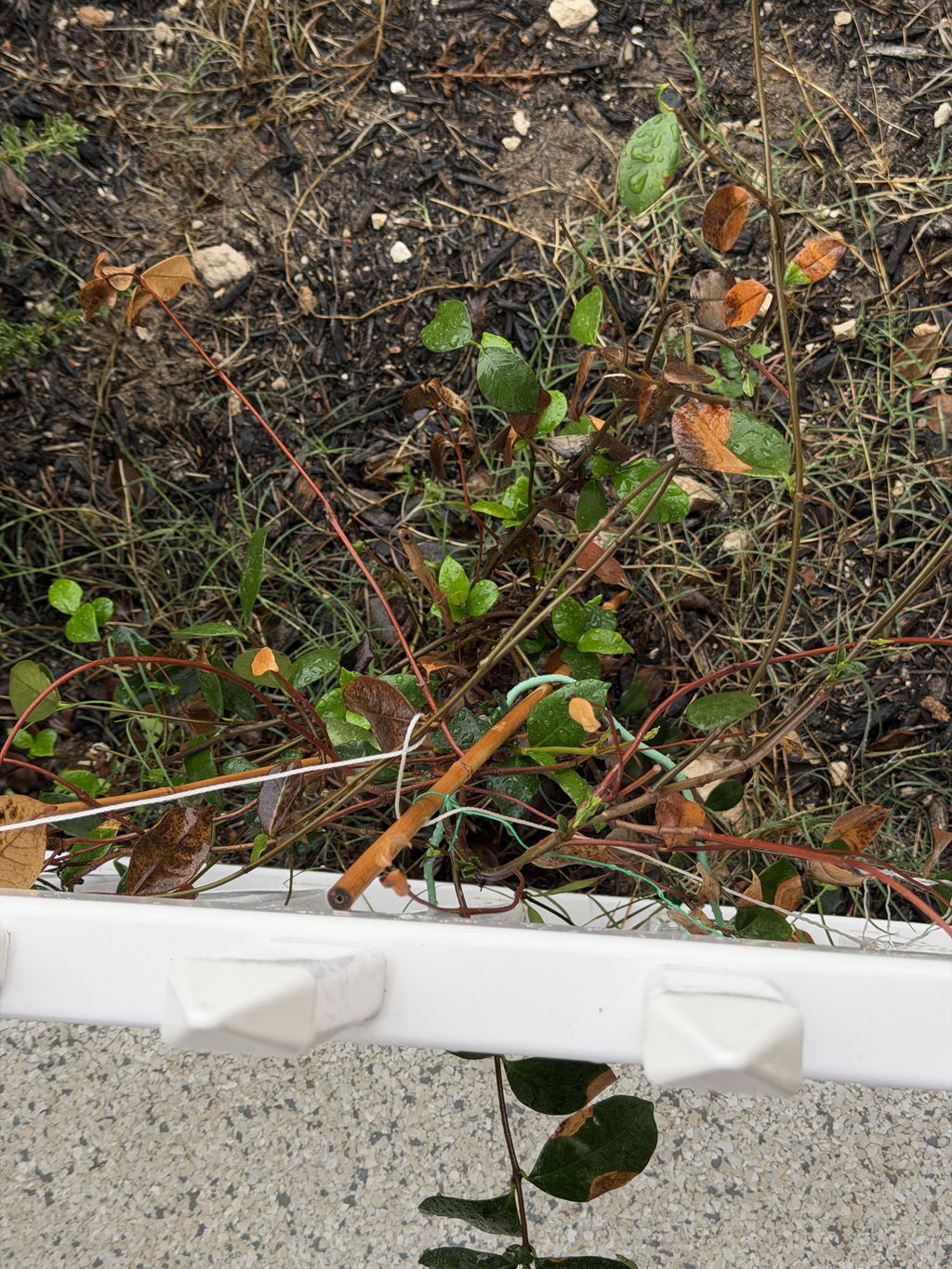
Solve stalled plant growth: causes and recovery guide
That leafy friend sitting in the corner of your living room or wilting at the edge of your garden bed might not be as far gone as you think. Plants are surprisingly resilient, and growth can pause as a stress response rather than signal the beginning of the end. The good news is that in most situations, once you identify and remove the limiting factor, your plant can bounce back faster than you’d expect. This guide walks you through the real reasons plants stall, how to diagnose what’s actually happening, and exactly what to do to help your leafy companions thrive again.
Table of Contents
- The main reasons plants stop growing
- How to quickly diagnose stalled growth
- Hidden causes: when it’s not nutrition
- How to help your plants recover
- A gardener’s real lesson: trust your observations, not just products
- Support your plant’s recovery journey
- Frequently asked questions
Key Takeaways
| Point | Details |
|---|---|
| Growth pause, not death | Most plants that stop growing are pausing due to fixable stresses, not dying. |
| Check the environment first | Light, water, temperature, and nutrition are the main growth limiters to address. |
| Diagnosis over quick fixes | Accurate observation and diagnosis work better than immediately adding products. |
| Roots often hold clues | Hidden root stress or damage is a common cause of stalled plant growth. |
| Recovery can be fast | Many plants recover quickly once the limiting factor is found and removed. |
The main reasons plants stop growing
To understand why a plant isn’t thriving, let’s break down the main factors that can sabotage its growth. Most people assume that a struggling plant needs more fertilizer or a new product. In reality, the situation is usually simpler and more fixable than that.
Environmental factors like light, temperature, water, humidity, and nutrition are the most common reasons plant growth stalls. When any one of these elements falls outside a plant’s comfort zone, growth slows or stops entirely. The tricky part is that these factors rarely act alone. A plant that isn’t getting enough light may also struggle to absorb nutrients efficiently, which can look like a nutrition problem when it’s actually a light problem.
Here’s a quick reference for the most common growth-limiting factors:
| Factor | What goes wrong | Visible signs |
|---|---|---|
| Light | Too little or too much intensity | Leggy stems, pale leaves, leaf scorch |
| Temperature | Too cold or too hot | Wilting, slowed growth, leaf drop |
| Water | Overwatering or underwatering | Root rot, dry crispy edges, yellowing |
| Humidity | Too dry for tropical plants | Brown leaf tips, curling leaves |
| Nutrition | Deficiency or imbalance | Yellowing, purple tint, stunted growth |
| Root health | Pot-bound, damaged, or waterlogged | No growth despite good conditions |
A few other common culprits worth knowing:
- Pot-bound roots: When roots run out of space, they circle the container and eventually choke themselves, limiting nutrient and water uptake.
- Compacted or degraded soil: Over time, potting mix breaks down and stops draining properly, which suffocates roots even if watering looks right on the surface.
- Seasonal dormancy: Some plants naturally slow or stop growing in winter, and that’s completely normal, not a problem to fix.
- Multiple simultaneous stressors: A plant dealing with cold drafts, overwatering, and low light at the same time has very little energy left for growth.
Pro Tip: Before you buy anything new for your plant, give it a full week of observation. Track how much light it gets, how often you water, and whether there are any temperature swings near vents or windows. You’ll be surprised what you notice.
How to quickly diagnose stalled growth
Now that you know the key limiting factors, here’s how to figure out which ones are affecting your plant. A systematic check is always more effective than guessing and treating randomly. The fastest path to recovery is checking environmental limits first before reaching for a product.
Follow these steps in order:
-
Check the light. Hold your hand about a foot above the plant and look for a clear shadow. If you can barely see a shadow, the light is too dim for most actively growing plants. South or east-facing windows usually provide the best light indoors.
-
Check the soil moisture. Stick your finger two inches into the soil. If it feels wet and smells a bit sour or musty, overwatering is likely. If it feels bone dry and the soil is pulling away from the pot edges, underwatering is the culprit.
-
Inspect the leaves closely. Yellowing from the bottom up often signals nitrogen deficiency or overwatering. Yellowing between the veins (while veins stay green) can point to an iron or magnesium deficiency. Brown crispy tips suggest low humidity or salt buildup from fertilizer.
-
Check the roots. Gently remove the plant from its pot. Healthy roots are white or light tan and firm. Brown, mushy, or foul-smelling roots signal root rot. Roots that are tightly circling the entire bottom of the pot mean it’s time to repot.
-
Assess the temperature environment. Is your plant near an air conditioning vent, a drafty window, or a radiator? Even if the room feels comfortable to you, the microclimate around your plant may be telling a different story.
-
Review your fertilizing history. If you’ve been fertilizing consistently but seeing no growth, stop fertilizing temporarily. Salt buildup from excess fertilizer can actually lock plants out of nutrients.
The goal isn’t to find the most dramatic explanation. Most stalled plants are dealing with something ordinary: the wrong amount of water, not enough light, or roots that have outgrown their home. Start simple.
Pro Tip: Keep a small notebook or use your phone’s notes app to log what you observe each week. Patterns become obvious fast, and it takes the guesswork out of diagnosis.
Hidden causes: when it’s not nutrition
Even after checking the basics, some growth problems aren’t obvious. Let’s look at the sneaky factors that often get missed. These are the ones that stump even experienced gardeners because the plant still looks fine on the surface.
Temperature swings are a silent growth killer. A plant sitting near a window might enjoy warm afternoon sun but then face temperatures that drop significantly on cold nights. Temperature can be a hidden growth limiter even when plants look green and healthy, because extreme day to night variation pushes roots and metabolic processes outside the functional range. The plant isn’t dying, it’s just not able to do the work of growing under those conditions.
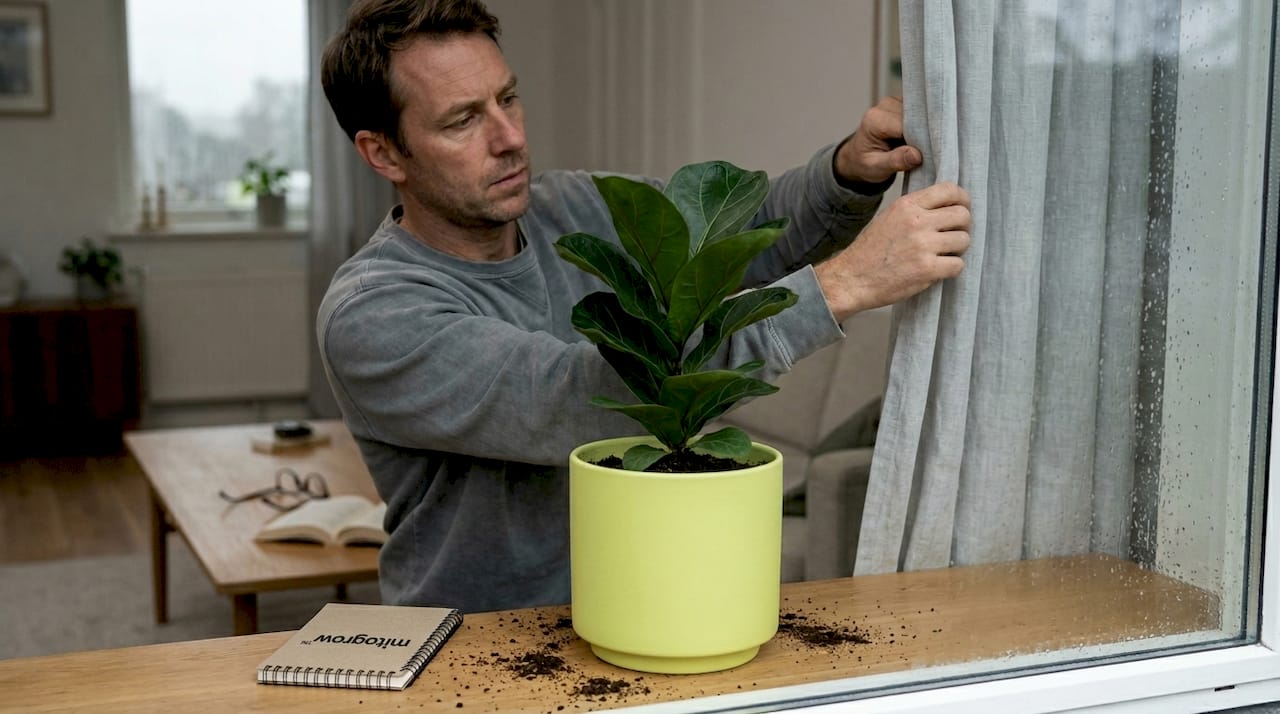
Root stress is equally invisible from above. A plant with pot-bound roots or damaged roots can have perfectly normal looking leaves for weeks or months while growth stalls completely. The shoot system draws on stored reserves while the root system quietly struggles. By the time leaves start suffering, the root issue has often been developing for a long time.
Here’s a comparison of two common hidden causes and how to tell them apart:
| Hidden cause | What it looks like | What gives it away |
|---|---|---|
| Temperature stress | Healthy leaves, zero new growth | Located near vents, windows, or drafty doors |
| Pot-bound roots | Healthy leaves, water runs straight through | Roots emerging from drainage holes, pot feels solid |
| Root damage | Sudden wilt, no improvement after watering | Mushy brown roots, soggy or compacted soil |
| Salt buildup from fertilizer | Brown leaf tips, crusty white residue on soil | Heavy fertilizing history, dry white deposits on pot |
The encouraging part is that plants can pause growth as a stress response and fully resume when conditions improve. This is the part most gardeners don’t hear enough. Stalled doesn’t mean stopped forever. It means the plant is waiting for better conditions.
A few hidden causes worth adding to your checklist:
- Overly dense or clay-heavy outdoor soil that restricts root expansion and drains poorly after rain
- Nearby competing plants whose roots are taking up nutrients and water before your plant can access them
- Recent repotting shock where the root system needs time to settle before new top growth resumes
- Inconsistent watering schedules that create cycles of drought and saturation, keeping roots perpetually stressed
The key insight here is that once you remove the stressor, recovery is often quicker than expected. That’s a genuinely hopeful thing.
How to help your plants recover
Once you’ve found the culprit, here’s how to set your plants up for a healthy comeback. Recovery doesn’t have to be complicated. In most cases, it’s about removing what’s causing stress and giving your plant a stable, consistent environment to rebuild.
Growth resumed within 24 hours after stress removal in some documented cases, though recovery is typically slower after water stress compared to other types of stress. That kind of bounce-back is possible, but you need to be realistic that some plants will take days or even a couple of weeks, depending on how long the stress went on.
Here’s a practical recovery sequence to follow:
-
Fix the environment first. Move the plant to better light, away from vents or drafts, or to a spot with more stable temperatures. This is always step one because no soil amendment or fertilizer can compensate for the wrong environment.
-
Reset your watering. If you suspect overwatering, let the soil dry out more than you normally would before watering again. Both over and underwatering impair root function and nutrient uptake, so finding the right moisture balance is critical to recovery.
-
Repot if necessary. If roots are pot-bound or the soil looks degraded, move the plant to a container one size larger with fresh, well-draining potting mix. This one step alone can trigger visible growth within a few weeks.
-
Trim damaged leaves and stems. Removing dead or dying material redirects the plant’s energy toward new, healthy growth rather than trying to maintain what’s already lost.
-
Hold off on fertilizing during early recovery. A stressed plant often can’t efficiently absorb nutrients anyway. Give it two to three weeks of stable conditions before reintroducing any fertilizer.
-
Add a biostimulant during the recovery window. Once the stressor is removed and conditions are stable, this is the ideal moment to support cellular recovery. A quality biostimulant works within the plant to help it process nutrients more efficiently, which is exactly what a recovering plant needs.
-
Be consistent and patient. Set a routine for watering, checking light levels, and observing new growth. Consistency is what plants thrive on.
Pro Tip: Take a photo of your plant at the start of recovery and again every week. Growth can be slow enough that you won’t notice it day to day, but the weekly comparison will show you progress and keep you motivated.
A gardener’s real lesson: trust your observations, not just products
Beyond step-by-step fixes, here’s a perspective you won’t hear from most traditional gardening advice. Most of us, when a plant stops growing, reach for something to buy. A new fertilizer, a different soil amendment, a spray. It’s a completely understandable instinct. Gardening culture, especially online, is full of product recommendations for every problem. But the most experienced growers tend to do something different. They watch first.
The honest truth is that checking environmental limits before assuming you need a product is almost always the faster path to recovery. This isn’t a knock on great plant care products, because they absolutely have a place in the toolkit. It’s about using them at the right moment, after you’ve understood what’s actually going wrong.
There’s a skill that develops over time when you garden with this mindset. You start reading your plants the way you’d read a friend’s mood. That slight curl in a leaf, the dullness of a color that was vivid a month ago, the way new growth emerges tentatively instead of boldly. These are signals, not failures. Every stalled plant is your growing ecosystem communicating with you, and learning to listen builds a kind of confidence that no product can give you.
The gardeners who see the best long-term results are the ones who treat each struggling plant as a learning moment rather than a loss. They adjust the environment, observe what changes, and apply targeted support only once they understand the cause. That’s the practice. And it genuinely gets easier every season.
The community that thrives around plant care, with its joyful hashtags and shared revival stories, isn’t just celebrating green thumbs. It’s celebrating the curiosity and persistence it takes to understand a living thing well enough to help it flourish.
Support your plant’s recovery journey
Once you’ve worked through the diagnosis and made the key environmental changes, the next step is giving your recovering plant the best possible cellular support to resume healthy growth. For readers who want tailored tips or advanced recovery support, there are helpful resources available. mitogrow’s approach is built around exactly this moment in a plant’s life cycle, when the stressor is removed and the plant needs to rebuild its energy systems from within. Explore the full range of plant recovery solutions at mitogrow.com, where you’ll find formulas designed for every environment, from indoor pots and planters to outdoor beds and established trees. Whether you’re nurturing a wilting houseplant or rehabilitating a stressed garden bed, there’s a targeted formula to support recovery without guesswork.
Frequently asked questions
How long does it take for a plant to recover after removing stress?
Some plants show recovery within 24 hours after stress is removed, but others may take several days or weeks depending on the stress type, with water stress typically taking the longest.
Can too much fertilizer cause plants to stop growing?
Yes, excess fertilizer creates salt buildup and root stress, and anything that reduces physiological processes like nutrient uptake can ultimately stall or reverse growth progress.
Is stalled plant growth always reversible?
In most cases, removing the limiting stress allows plants to resume growth unless the roots or stems have sustained severe, irreversible damage.
How do I tell if my plant’s roots are the problem?
Gently lift the plant out of its pot and look for roots that are brown and mushy (root rot), tightly circling the bottom of the pot (pot-bound), or visibly crowded with no loose soil remaining.
Why do my plants look healthy but still stop growing?
Subtle stressors like cold nights slowing root uptake or hidden root crowding can completely halt growth even when leaves appear green and normal, because the plant is conserving energy rather than expanding.