What Is a Biostimulant and How Does It Grow Healthier Plants
Share
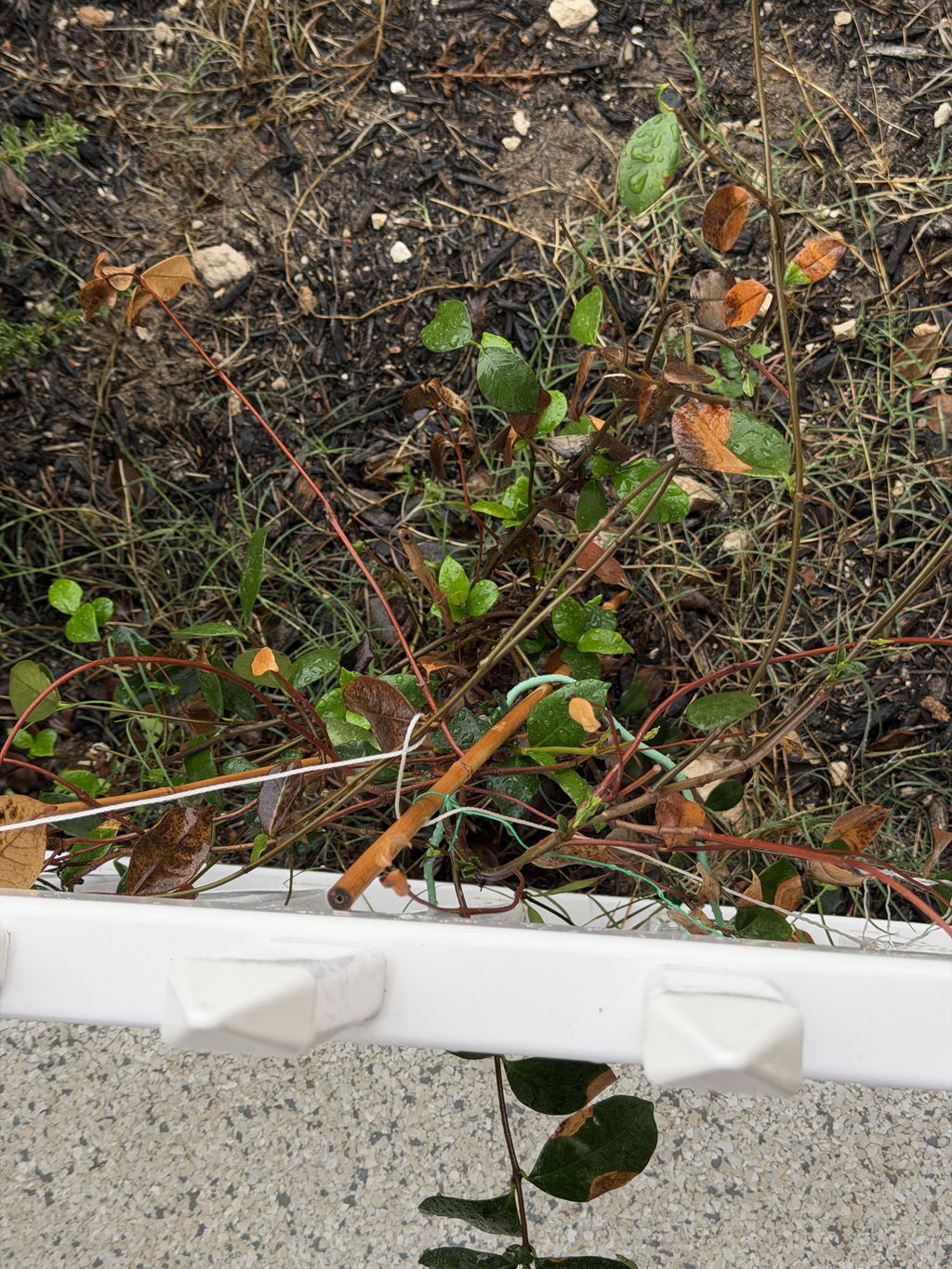
Watching a prized tree or garden flower wither and fade is a painful experience for any grower. Traditional fertilizers often fail to revive these struggling plants because they only feed the soil, not the plant's internal cellular systems. The real solution lies in activating the natural biological processes of the plant itself.
What is a biostimulant? A biostimulant is an organic substance or microorganism applied to plants or soil that enhances nutrient efficiency, abiotic stress tolerance, and plant health, regardless of its nutrient content. Unlike fertilizers, which provide direct nutrition, or pesticides, which target pests, a biostimulant is defined by its action rather than its composition. It works by triggering natural cellular processes to improve root growth and water uptake. This scientific approach helps plants survive environmental stress like heat, drought, or transplantation. As noted in research published by the National Institutes of Health, these substances improve crop quality and plant vitality from the inside out.
To help your garden thrive, you must first understand the scientific definition of these powerful plant helpers. Let us explore the exact science behind these natural tools and answer our opening question, starting with What Is a Biostimulant? The Scientific Definition.
What Is a Biostimulant? The Scientific Definition
To understand how to care for your plants, you first need to ask: what is a biostimulant? In the world of plant science, a biostimulant is not a food source or a bug killer. Instead, it is a tool that helps plants help themselves. According to academic research, plant biostimulants are substances or microorganisms applied to plants or surrounding soil to enhance nutrition efficiency, abiotic stress tolerance, and crop quality traits. They work at the cellular level to trigger a plant's natural growth systems, even when the environment is harsh or dry.
The Official 2018 Farm Bill Definition
The United States government gave biostimulants formal recognition in the 2018 Farm Bill. This law defines a biostimulant as a substance or micro-organism that, when applied to seeds, plants, or the rhizosphere, stimulates natural processes. The goal of this stimulation is to improve nutrient uptake, nutrient use efficiency, tolerance to abiotic stress, or crop quality and yield. This legal definition helps gardeners and commercial growers know exactly what they are buying. It separates these scientific tools from simple soil additives.
How Biostimulants Differ From Fertilizers and Pesticides
Many plant owners confuse biostimulants with traditional garden chemicals, but they are very different. Under scientific guidelines, biostimulants are defined by their action, not by their chemical makeup. They do not fight pests or cure plant diseases directly. If a product did that, the law would classify it as a pesticide. They also do not focus on adding raw food to the soil, which is the main job of a fertilizer. Instead, biostimulants make sure the plant can actually use the food that is already there.
mitogrow's Patented Approach to Plant Health
While generic biostimulants use simple ingredients like seaweed extract, mitogrow uses a scientific blend. The patented mitogrow formula combines Indole-3-Butyric Acid (IBA) with sea kelp, B vitamins, and mycorrhizae fungi. This unique mix works to expand root systems and help plants survive tough weather conditions. By combining these key ingredients, the formula helps plants absorb nutrients much more easily. It gives your garden a reliable way to thrive without the risk of chemical burn or plant damage.
How Do Biostimulants Work Inside a Plant?
To understand what is a biostimulant, we must look at how it acts inside plant tissue. Unlike fertilizers that simply supply raw food, these products spark natural processes inside the plant. They work at a deep cellular level to boost health, speed up growth, and build strength against harsh weather. According to peer-reviewed research, biostimulants enhance plant growth and development by improving vital cellular processes. They do not feed the plant directly, but they trigger a cascade of biological changes that make the plant a highly efficient nutrient processor.
Improving Root Development at the Cell Level
The journey starts in the soil, where plant roots serve as the main gateway for water and food. Biostimulants trigger the release of natural plant growth hormones like indole-3-butyric acid (IBA) which signals the plant to build more root tips and branch out. This root growth is further backed by helpful fungi like mycorrhizae that attach to the roots and stretch deep into the soil. This symbiotic partnership creates a massive underground web of fine filaments. This web vastly increases the surface area of the root zone. Letting the plant drink and feed from a much wider soil volume than it could ever reach alone. For a focused explanation of this fungus-root partnership, read about mycorrhizal fungi benefits for plants.
This root expansion is critical because a plant with a larger root mass is much better equipped to handle environmental stress. The physical network of mycorrhizal fungi acts like an extension of the plant's own vascular system. It channels water and hard-to-reach minerals directly back to the main taproot. As a result, the plant establishes a solid foundation that supports rapid shoot growth and leaf development above the ground.
Boosting Nutrient Uptake and Nutrient Use Efficiency
A larger root zone is only useful if the plant can absorb what it finds. Research shows that biostimulants improve key plant functions, which lets them enhance plant growth by improving physiological processes such as nutrient uptake, photosynthesis, and hormonal balance. In fact, using mitogrow has been shown to boost plant nutrient uptake by 50 percent. This dramatic gain helps home gardeners who want to know more about optimizing nutrient uptake with biostimulants to get the most out of their soil. When you combine these tools with standard care, you can learn how biostimulants improve nutrient uptake and make your regular plant food work much better.
This 50 percent boost in nutrient absorption means that plants can capture vital elements like nitrogen, phosphorus, and potassium before they wash away in the rain. This process improves nutrient use efficiency, meaning the plant wastes less of the food available in the soil. It also helps prevent nutrient runoff, making this method highly beneficial for both your garden and the surrounding local ecosystem.
Enhancing Photosynthesis and Stress Resilience
Once nutrients travel up the stem, they help run the plant's food factory. Biostimulants help plants build more green chlorophyll, which lets leaves capture more sunlight and turn it into energy. This extra energy helps the plant stay strong during tough times. The physiological improvements allow plants to withstand abiotic stresses like heat, drought, or soil salinity much better than untreated plants.
When heat, drought, or cold weather strikes, a well-stimulated plant can regulate its leaf pores to save water while keeping its inner chemistry stable. This cell-level defense keeps the plant alive and green when other plants would wilt and fade. By keeping photosynthesis active even under harsh conditions, biostimulants ensure that the plant does not stop growing when the weather turns bad.
Biostimulant vs. Fertilizer: What Is the Real Difference
To understand how to care for your plants, you must know the difference between a biostimulant and a fertilizer. Many growers confuse these two products, but they perform very different jobs in your garden. While one feeds the soil, the other prompts the plant to feed itself.
How Their Mechanisms and Purposes Differ
A standard fertilizer acts as a direct food source by adding raw nutrients like nitrogen, phosphorus, and potassium to the soil. In contrast, a biostimulant does not provide nutrients to feed plants directly. Instead, as defined by researchers, its role is to improve plant nutrition efficiency, crop quality, and stress tolerance regardless of its nutrient content. To put it simply, fertilizers feed the soil, while biostimulants spark the inner systems of the plant to make better use of those feeds.
This difference in how they work also affects plant safety and how fast you see results. Chemical fertilizers can easily burn tender plant roots if you apply too much. Because biostimulants work on a cell level to boost natural paths, they cannot cause overdose or root burn. While fertilizers can show a quick spike in green growth, the benefits of biostimulants build up over time to create lasting plant health.
Comparing Key Features
This table outlines the main differences in how these two options support your plants:
| Feature | Biostimulant | Fertilizer |
|---|---|---|
| Primary Mechanism | Triggers natural plant processes and cellular growth | Supplies raw mineral nutrients to the soil |
| Main Purpose | Boosts stress tolerance and nutrient uptake | Drives rapid plant growth and leaf production |
| Overdose Risk | No risk of root burn or chemical overdose | High risk of salt buildup and root burn |
| Speed of Results | Builds up over time for lasting resilience | Provides rapid but short-term visual changes |
The Power of Combining Both Methods
You do not have to choose just one of these products. In fact, they work best when used together. While a fertilizer provides the raw food, a biostimulant ensures the plant has the root strength to absorb and use those minerals. Scientific trials prove this strong synergy between the two inputs.
A study by Texas A&M University showed that trees treated with mitogrow had a 52 percent greater trunk diameter increase than those treated with fertilizer alone. By using a biostimulant, you help the plant build a larger root system to capture more of the fertilizer you apply. This team effort reduces waste, protects the environment, and gives you larger, stronger plants that can withstand heat and drought.
Who Should Use Biostimulants?
Growers use these natural formulas to help plants thrive in many different settings. Knowing what is a biostimulant helps you see why they work for so many people. These safe solutions fit well into a benefits of biostimulants for sustainable planting plan. They represent a key tool in modern plant care. Three main groups of growers get the most from these mild, organic blends.
Home Plant Rescuers
Many home growers have a deep bond with their trees and shrubs. When a prized rose bush or old backyard tree starts to wilt, they want to save it. These growers need a safe way to revive weak greenery during a crisis. Unlike chemical options, a mild biostimulant will not burn tender roots or cause an overdose. It works at the cell level to help shocked roots pull in water and food once more. According to research on sustainable agriculture, these formulas improve plant yield and health. They give weak plants the boost they need to survive tough conditions. It is a hopeful path to bring life back to plants that look dead.
Ambitious Gardeners
Some growers focus on top quality and high yields in their yards. They search for the best methods to grow large blooms and rich crops. These gardeners use biostimulants to improve how well their plants use food. The formula makes sure that expensive composts and fertilizers do not go to waste. Stronger roots lead to sturdier stems and more buds on every plant. These growers want scientific proof that their methods work. Academic research from clinical studies shows that these blends are defined by their action. They help plants build a strong defense system. Gardeners get larger crops and beautiful flowers that last much longer.
Indoor Plant Parents
Urban plant owners often grow green leafy plants in small pots and indoor flats. Potted soil can run out of key elements very fast. These indoor growers need products that are safe to use around dogs, cats, and kids. Naturally derived formulas give indoor pots the organic boost they need to thrive in dim rooms. The liquid blend keeps house plants lush without any harsh chemical smell. There is no risk of root burn when you use a clean, safe formula. It is the best choice for pet owners who want green, vibrant rooms without any safety worries.
The Science Behind mitogrow's Patented Formula
How does a plant biostimulant turn a struggling tree into a thriving masterpiece? The answer lies in the precise chemistry of mitogrow. Rather than just feeding the soil, this formula targets the roots at a cellular level to trigger natural defense and growth systems. By understanding the science behind biostimulants, you can see how specific ingredients work together to rescue and rebuild plants from the ground up.
A Journey From Lab Research to Real World Proof
The path from a scientific concept to a patented tree saver is rigorous. Every step of the mitogrow journey has been tested by top universities and real world experts. Below is the scientific process that makes this formula an industry standard for tree care and plant recovery.
- The Multi Ingredient Patent (US Patent 10836688B1) Our active formula is protected under US Patent 10836688B1, which remains active through 2040. This unique blend combines Indole-3-Butyric Acid (IBA), cold water sea kelp, B vitamins (B1, B3, and B6), and beneficial mycorrhizae fungi. Each ingredient has a specific job, working in harmony to stimulate root branching and boost nutrient uptake.
- The Texas A&M University Study To prove our formula works, researchers at Texas A&M University tested its effect on tree growth. The study revealed that trees treated with mitogrow achieved a 52% greater trunk diameter increase compared to those using standard fertilizer alone. Even more striking, treated trees saw a 128% diameter increase compared to the untreated control group.
- Additional University and Lab Testing Following the success at Texas A&M, scientists at Louisiana Tech University and Holden Research ran their own trials. These independent studies confirmed that the formula consistently improves root density, water absorption, and stress tolerance across various soil types and plant species.
- The Lahaina Banyan Tree Restoration The formula proved its power on a historic scale during the recovery efforts in Hawaii. Following devastating wildfires, the famous Lahaina Banyan tree was severely damaged. Arborists used mitogrow to help stimulate dormant root systems, bringing vital moisture and nutrients back to the historic landmark.
- Professional Endorsements and Field Success Our research is backed by decades of commercial success. Experts at Heritage Olive Trees, with over 40 years of experience, rely on this blend to transplant mature trees safely. Similarly, Shades of Texas, a nursery with over 50 years of expertise, uses the formula to guarantee root establishment and prevent transplant shock in valuable inventory.
Why These Ingredients Work Together
Each component in this blend serves a vital biological role. The IBA hormone tells the plant to start growing new root tips. At the same time, sea kelp and B vitamins help the plant withstand environmental stress. Finally, the mycorrhizae fungi form a symbiotic relationship with the roots, extending their reach to absorb water and minerals that the plant could not access on its own. This complete system is what is a biostimulant in its most effective, proven form.
How to Apply Biostimulants for Best Results
You can get the best from your plants by learning how and when to use biostimulants. These products are not fertilizers, but they help plants use feed much better. Using them the right way keeps your garden green and strong all year.
How to Mix and Use Your Dose
Always mix your liquid biostimulant with water before you add it to your plants. The best dose is one to two tablespoons of the liquid per gallon of clean water. You can apply this mix as a soil drench to soak the roots or as a foliar spray on the leaves. If you want to dive deeper into how these products function, you can read about what is a biostimulant to see how they boost root health.
Steps for Garden Use
Follow these five steps to use your biostimulant for the best results. You can use this method on your flowers, lawns, shrubs, and trees:
- Check the weather. Do not apply your mix in the hot midday sun or right before a heavy rain storm. Early morning or late evening is the best time because the damp soil can absorb the product and the leaves will not burn.
- Mix with water. Pour one to two tablespoons of the product into one gallon of water. Use a clean watering can or a pump spray bottle to mix the liquid well so it is even.
- Soak the soil. Pour the liquid mix slowly around the base of the plant so it sinks deep into the root zone. This soil drench helps the roots take in the formula and start growing fast.
- Spray the leaves. Use a fine spray on the tops and bottoms of the plant leaves until they are wet but not dripping. This foliar spray is the fastest way to get nutrients into a plant that is under stress.
- Set a routine. Repeat this task every two to four weeks during the main growing season. For ongoing care, you can shop mitogrow biostimulants to set up a subscription that ships to your door.
When to Use Biostimulants on Your Plants
The best time to start is early spring when new growth begins and plants wake up from winter. You should also use the mix right after you transplant new flowers or shrubs to help them settle into their new home. When plants face stress from hot heat, dry spells, or cold snaps, a quick dose will help them survive. mitogrow is fully safe to use around your family and pets, and you cannot overdose your plants even if you apply it often.
Frequently Asked Questions
Can you use a biostimulant with regular fertilizer?
Yes. You can use a biostimulant with regular fertilizer. Biostimulants improve how plants take in nutrients. They do not replace fertilizer. Fertilizer provides direct food. Biostimulants help the plant absorb that food. A study shows this combination can lead to a 52 percent greater diameter increase in plants compared to using fertilizer alone.
Are biostimulants safe for pets and children?
Yes. Most biostimulants are safe for pets and children. They are naturally derived. They use ingredients like sea kelp, B vitamins, and soil microbes. They do not contain harsh chemicals or toxic pest control agents. This makes them a safe choice for home lawns, indoor houseplants, and vegetable gardens where kids and pets play.
Can you overdose a plant on a biostimulant?
No. You cannot easily overdose a plant on a biostimulant. Unlike chemical fertilizers, they do not contain high levels of salts. They will not burn plant roots if you apply too much. They work by boosting natural plant processes. However, you should still follow the product label instructions to get the best growth results without wasting product.
How do biostimulants help plants survive dry weather?
Biostimulants help plants survive dry weather by building stronger root systems. According to an academic study in PMC, biostimulants improve physiological processes like water uptake and hormonal balance. This helps the plant tolerate environmental stress. A larger root system allows the plant to find water deep in the soil during a drought.
How long does it take to see results from a biostimulant?
You will often see root growth within two to three weeks. Outdoor plants will show greener leaves and better stress resistance in about a month. The timing depends on the health of the plant and the soil. Sick or damaged plants may take longer to respond as they use the initial energy to rebuild their root systems first.
Ready to grow healthier, more resilient plants?
Leaving your soil and roots to struggle leads to weak growth, low nutrient uptake, and easy damage from weather or pests. If you wait, you risk losing valued plants that take years to replace. Starting today gives your garden the cellular support it needs to build deep roots and thrive all season long. Our patented formula works at the cellular level to strengthen root networks and protect your green space.
Ready to shop mitogrow biostimulants and give your plants the cellular support they need? You can get a free consultation with our team or browse our full online store. Shop mitogrow biostimulants today to secure the best products for your landscape, garden bed, or indoor pots and keep your plants alive.