Are Biostimulants Safe for Pets? A Plant Parent Guide
When a cat nibbles a leaf or a dog noses around a planter, every product in the growing space deserves a closer look. The question are biostimulants safe for pets is one every plant parent should ask before applying a new product around the home.
Most biostimulants are safe for pets when diluted and used according to label directions. The active ingredients in plant-supporting biostimulants such as humic acids, seaweed extracts, and beneficial microorganisms have a low toxicity profile for dogs and cats. Safety depends on reading the complete ingredient list because companion additives such as insecticides or herbicides can change the risk profile of an otherwise gentle formula.
Many biostimulants come from organic sources such as humic substances, seaweed, or decomposing plant matter. These materials do not inherently carry toxic properties in diluted forms. However, companion products may contain insecticides, herbicides, or other additives that change the safety picture. A clear understanding of the ingredients helps you make a confident choice for your plants and the animals who share your home.
Start by looking beyond broad claims and learning which practical safety signals deserve your attention.
What Makes a Plant Care Product Safe for Pets
A pet-safe plant care product is one whose active ingredients have a low toxicity risk when diluted and applied exactly as directed. Without dangerous pesticides or other high-risk additives. For many biostimulants, that distinction matters: the goal is to support plant and soil processes, not to kill insects, weeds, or fungi.
Many biostimulants come from natural organic sources, including seaweed extracts and humic substances formed through decomposed plant and animal matter. In diluted forms, these materials do not inherently possess toxic properties harmful to animals. Humic-based biostimulants are generally considered to have a very low toxicity risk when used according to the manufacturer's instructions. Learn more about what the research and safety guidance say about humic-based products, then explore What Is a Biostimulant for a closer look at how these products work.
Look for a simple, clearly disclosed formula
When evaluating a product for a home with dogs or cats, focus on the full label rather than the word "natural" alone. A safer choice should provide clear directions for dilution, application, storage, and first aid. Check whether the product is primarily a biostimulant or soil amendment, and look for additives that introduce a separate toxicity concern.
| Signal | What to look for | Why it matters |
|---|---|---|
| Ingredient disclosure | Full list with concentrations | Hidden additives change the risk profile. |
| Dilution instructions | Clear ratios and mixing steps | Concentrated product is not the same as diluted. |
| Pet exposure guidance | First-aid and storage directions | Shows the manufacturer considered household safety. |
| Pesticide check | Insecticides, herbicides, fungicides listed | These introduce separate toxicity concerns. |
Why pesticides change the safety profile
Not every fertilizer or plant product carries the same risk. Some fertilizers contain insecticides, herbicides, or other additives. According to the ASPCA's fertilizer safety guidance, ingestion can irritate the gastrointestinal tract and, in larger quantities, may cause vomiting, diarrhea, weakness, uncoordinated walking, or tremors. Those symptoms are a reason to treat the complete formula seriously, even if one ingredient appears low-risk.
In short, pet-safe plant care starts with ingredient transparency, proper dilution, and restricted access while products are concentrated or wet. If a pet ingests any garden product and shows symptoms, contact a veterinarian or ASPCA Poison Control promptly. For more guidance, read Indoor Plant Care and Recovery for practical tips on maintaining a plant-friendly home.
Which Ingredients in Biostimulants Are Pet Safe
Organic-based biostimulants pose little hazard to pets when mixed and applied exactly as directed. The ingredient list still matters, because the greatest risk often comes from pesticides or other additives, not the active biostimulant itself. The table of active biostimulant ingredients below shows why these components are classified separately from synthetic and pesticide additives.
Humic acids and organic soil compounds
Humic acids are formed through the decomposition of plant and animal matter and are common in soil-focused biostimulants. When used according to the label, humic-based products are generally considered low risk, particularly after dilution. Ecogrowth's review of organic soil amendments likewise found little hazard to household pets when products were applied as instructed: Ecogrowth pet-safety guidance.
Seaweed extracts and beneficial microorganisms
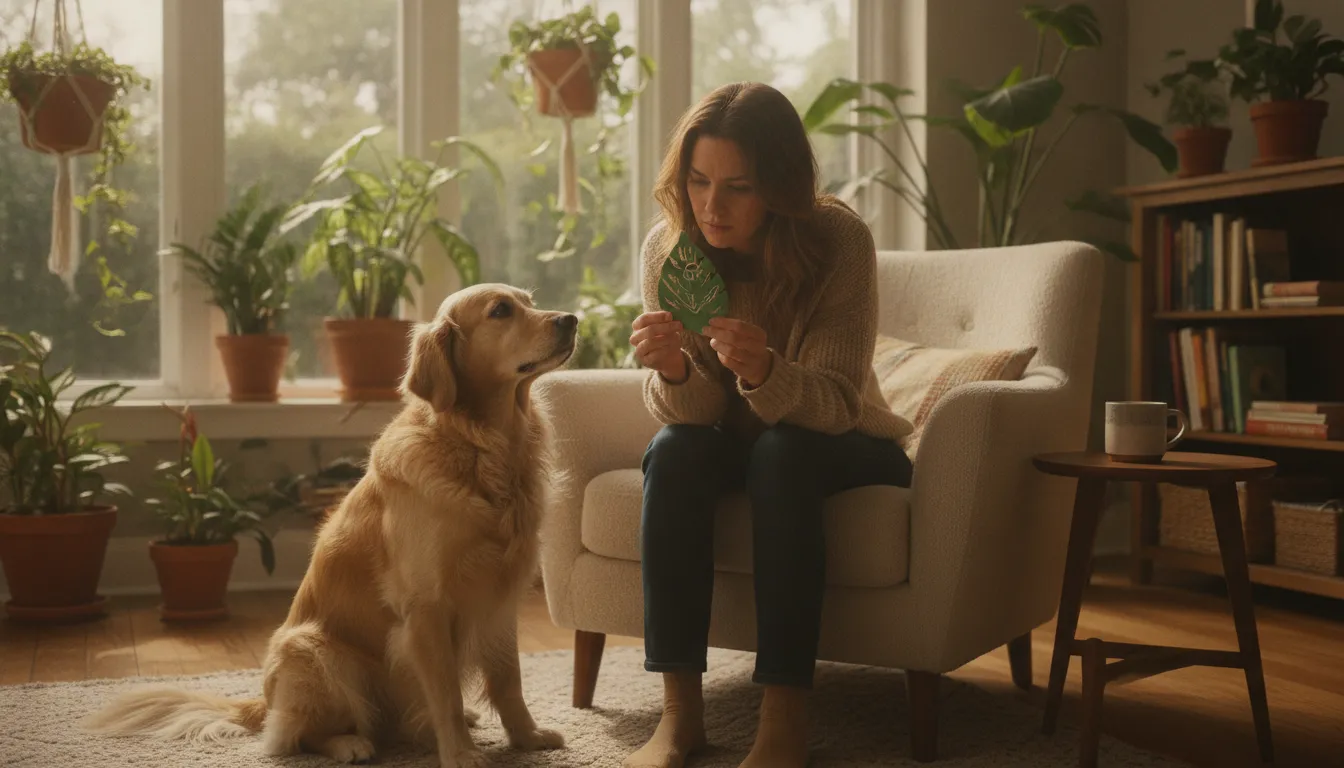
Seaweed extracts are another common organic input. Beneficial bacteria and fungi, including soil-supporting microbial cultures, are also used to help plants access nutrients and support root-zone activity. These categories are distinct from substances designed to kill insects, weeds, or fungi. Their presence does not make a product automatically risk-free, but they are not the same hazard category as a pesticide.
Check the additives, not just the headline ingredient
Read the full label before bringing a product into a pet-accessible space. ASPCA guidance notes that some fertilizers contain insecticides, herbicides, or other additives that can cause vomiting, diarrhea, weakness, or tremors if swallowed. Those ingredients can change the safety profile of an otherwise soil-supportive formula. See the ASPCA's fertilizer and pet-safety guidance for warning signs and next steps.
For a deeper look at how biostimulants differ from conventional fertilizers at the ingredient level, read Biostimulant vs Fertilizer: What's the Difference.
Are Biostimulants Safe for Pets? A Look at the mitogrow Formula
The mitogrow formula is designed as plant fuel that works at the cellular level, rather than as a conventional chemical fertilizer. It contains Indole-3-Butyric Acid (IBA), B vitamins, and mycorrhizae fungi, components widely recognized as non-toxic in the formula's intended use. As with any plant-care product, follow the product label and keep concentrated solutions out of reach.
What is in the mitogrow formula?
IBA is a plant-rooting compound that supports the biological processes involved in root development. B vitamins support plant vitality, while mycorrhizae fungi form beneficial relationships with plant roots. Together, these ingredients are intended to help plants use their existing resources more effectively. They do not function like harsh pesticides, insecticides, or herbicides. Those are separate product categories with different safety considerations.
mitogrow's formula has been tested by Texas A&M for efficacy and is the subject of formal patent protection. Those details speak to how the product was developed and evaluated. But they do not replace reading the label or asking a veterinarian or pediatrician about a specific exposure.
How should families use it around pets and children?
Apply mitogrow according to the label, avoid leaving an open container unattended, and store it securely after use. Give the solution time to settle into the soil before allowing children or pets to handle treated pots or garden areas. If a child or animal ingests a concentrated product, contact a medical professional or veterinarian promptly and keep the product label available.
For more detail on the formula, testing, and how plant fuel works, visit The Science page.
How to Apply Plant Products Safely Around Pets
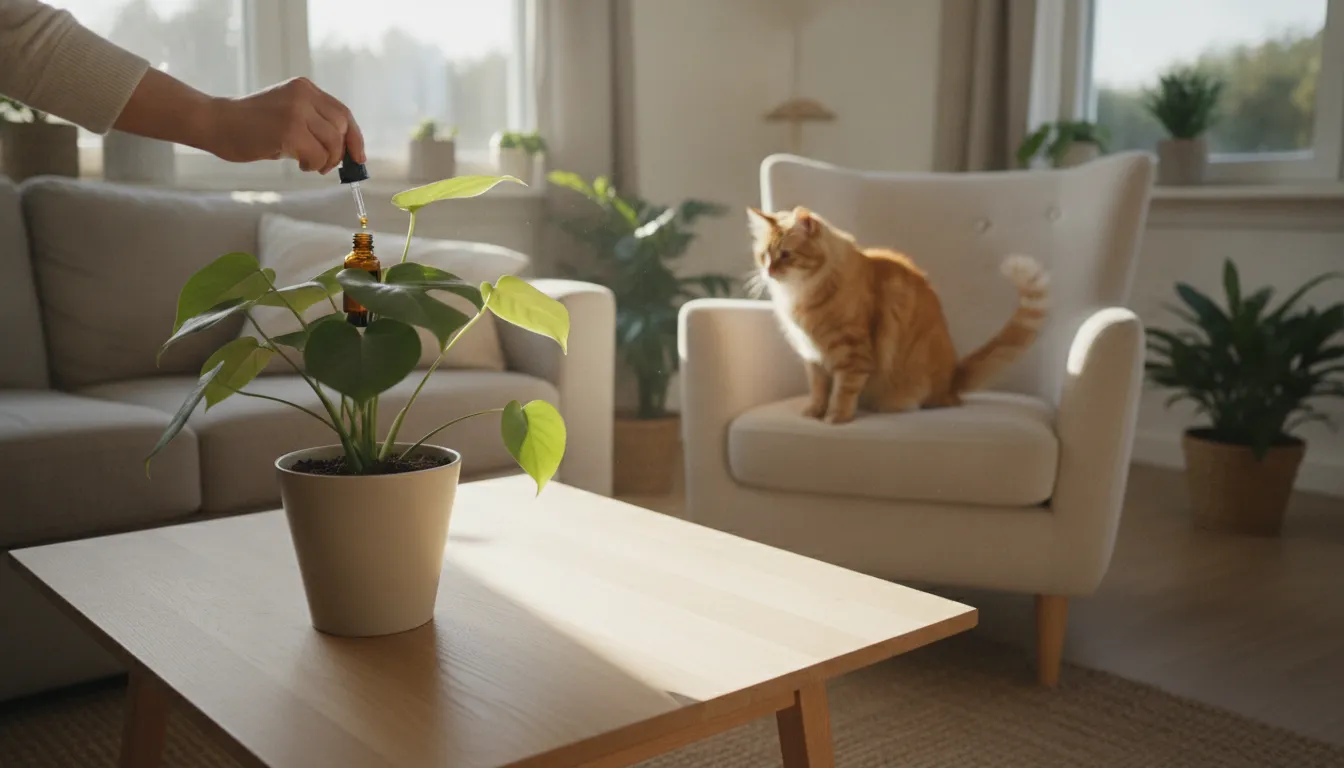
Safe application is mostly a matter of controlling access while a product is being mixed, applied, or absorbed. Even products considered low risk when diluted should be used according to their label directions. These steps help reduce unnecessary exposure for curious dogs, cats, and other household animals.
- Read the label and measure carefully. Confirm whether the product is concentrated or ready to use, then follow the stated dilution rate. Avoid combining plant products unless the label specifically permits it. A diluted biostimulant may pose little hazard when used as directed, but a stronger mixture can create avoidable exposure.
- Protect yourself while mixing concentrates. Wear gloves and, when the product guidance calls for it, a mask while handling concentrated forms. Protective gear helps prevent direct skin contact and inhalation. Keep pets in another room or indoors during this step so they cannot reach the container, measuring tools, or spills. See the handling guidance from Monband Fert for additional context.
- Keep pets away during application. Close off garden beds, shelves, or treatment areas immediately after applying the product. Do not allow pets to walk through wet soil or lick freshly treated leaves and containers. Wait until the product has dried or been absorbed according to the label before restoring access. Ecogrowth notes that licking a diluted product applied to pots and plants should not cause problems for a healthy pet. But limiting access is still the most cautious approach.
- Rinse spills right away. Clean drips from floors, patios, saucers, and other reachable surfaces with water. Dispose of used gloves, wipes, and empty packaging where animals cannot investigate them. Never leave a mixed solution unattended in a bucket or watering can.
- Store products securely. Keep concentrates and ready-to-use products in their original, labeled containers, tightly closed and out of reach of pets and children. A locked cabinet or high storage area is preferable to an open garage shelf.
- Know what to do if exposure occurs. If a pet ingests a garden product or develops symptoms, contact a veterinarian promptly. The ASPCA advises calling a veterinarian or ASPCA Poison Control at (888) 426-4435 when potentially toxic ingestion is suspected. For broader household guidance, review these pet-safe plant care tips.
What to Look for on a Plant Product Label
A label can tell you more about pet safety than a product's front-of-package claims. Before bringing a plant product into a home with dogs or cats, review the ingredients, directions, warnings, and supporting safety documentation. Every ingredient on the label belongs to a category that either supports plant biology or adds a separate function with its own safety profile.
- Natural or organic does not automatically mean harmless. These terms describe sourcing or production standards, not a guarantee that every ingredient is safe to ingest. Synthetic products are not automatically dangerous either. Judge the complete formula and follow its directions.
- Identify the product category. A biostimulant supports plant processes, while a fertilizer supplies nutrients. A product may combine several functions, so look beyond the headline label and read the full ingredient statement.
- Check for added pesticides. Look specifically for insecticides, fungicides, herbicides, or other pest-control additives. The active biostimulant may be low risk, while an added pesticide can create a substantially different exposure concern. The ASPCA warns that some fertilizer products can cause vomiting, diarrhea, weakness, incoordination, or tremors when pets ingest them.
- Look for an SDS. A safety data sheet, or SDS, lists hazards, first-aid steps, handling guidance, and storage recommendations. If a manufacturer does not make one available, contact the company before using the product around pets.
What label warning deserves immediate attention?
Warnings about keeping children or animals away, protective equipment, ventilation, or waiting periods should be treated as requirements, not suggestions. Store concentrates securely and keep pets away from treated areas until the label says access is safe.
Are plant products with cocoa mulch safe for pets?
No. Cocoa mulch can cause gastrointestinal, cardiac, and neurologic effects if ingested, according to the ASPCA. Avoid it in areas your pets can access.
If your plant is struggling due to improper care, see how to revive a dying houseplant for emergency recovery steps that work alongside safe product use. Review these pet-safe plant care tips before applying any product. If you suspect ingestion, contact your veterinarian or ASPCA Poison Control immediately at (888) 426-4435.
Explore mitogrow products for your home →
Frequently Asked Questions
Are biostimulants safe for pets?
Many humic- and organic-based biostimulants have a low toxicity risk when diluted and used exactly as the label directs. Safety depends on the complete formula, so check for added insecticides, fungicides, or herbicides and keep pets away during application.
Are biostimulants natural?
Many biostimulants come from organic sources such as seaweed, humic substances, or decomposing plant matter. However, natural does not automatically mean pet-safe. Review every ingredient and follow the product label, especially when the formula includes additives beyond the biostimulant itself.
How should I apply a biostimulant around dogs and cats?
Apply the product according to its dilution and handling instructions. Keep pets out of the treated area while you work and until the application has dried or the label gives clearance. Store concentrates securely, and wear recommended protective gear when handling them.
What should I do if my pet eats a plant-care product?
Move the product away, keep the label or ingredient list available, and contact your veterinarian for guidance. If poisoning is suspected, you can also contact ASPCA Poison Control at (888) 426-4435. Do not induce vomiting unless a veterinary professional tells you to.
What ingredients in biostimulants are pet safe?
Humic acids, seaweed extracts, beneficial bacteria and fungi, and plant hormones such as IBA are generally low risk for pets when diluted per label instructions. The primary safety concern comes from added insecticides or herbicides, not from the biostimulant itself.
Ready to Support Your Plants with Confidence?
Understanding the ingredients and following label directions can help you make thoughtful choices for a pet-friendly home. To explore plant care options and learn more about pet-safe practices, visit the mitogrow shop. For more indoor plant care guidance, read Home Garden Plant Care and Recovery and Indoor Plant Care and Recovery to keep every plant in your home thriving safely.