How to Protect Garden Plants From Summer Heat Stress and Drought
Garden plant heat stress happens when leaves and roots cannot replace the moisture a plant loses to hot sun, dry air, and wind. The best response is to check the soil, water the root zone slowly, conserve moisture with mulch, and reduce direct heat before damage becomes harder to reverse.
Support flowers and garden beds with mitogrow Bloom & Bed
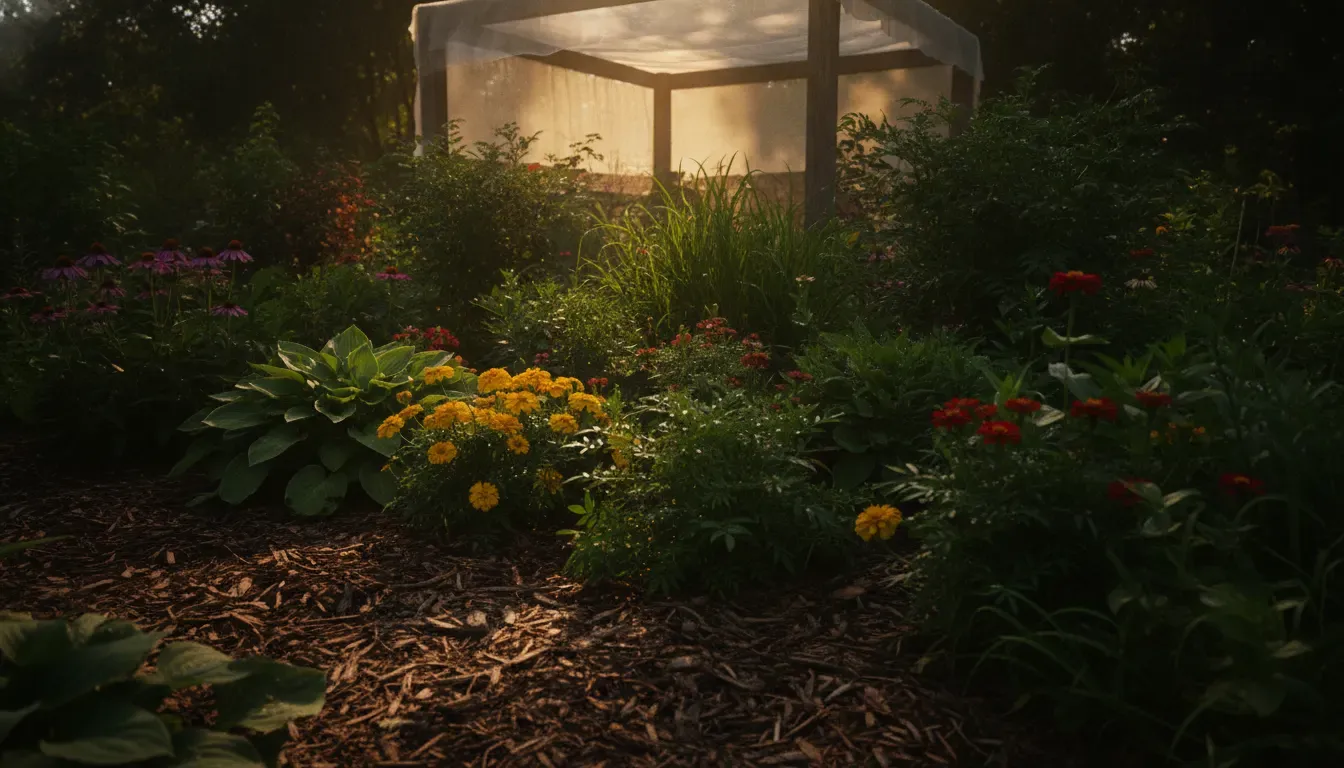
Heat and drought are related, but they are not exactly the same problem. A plant may wilt because the soil is dry, because roots are damaged, or because intense heat increases water loss faster than the roots can keep up. A prevention plan should address both the plant and the soil around it.
What does garden plant heat stress look like?
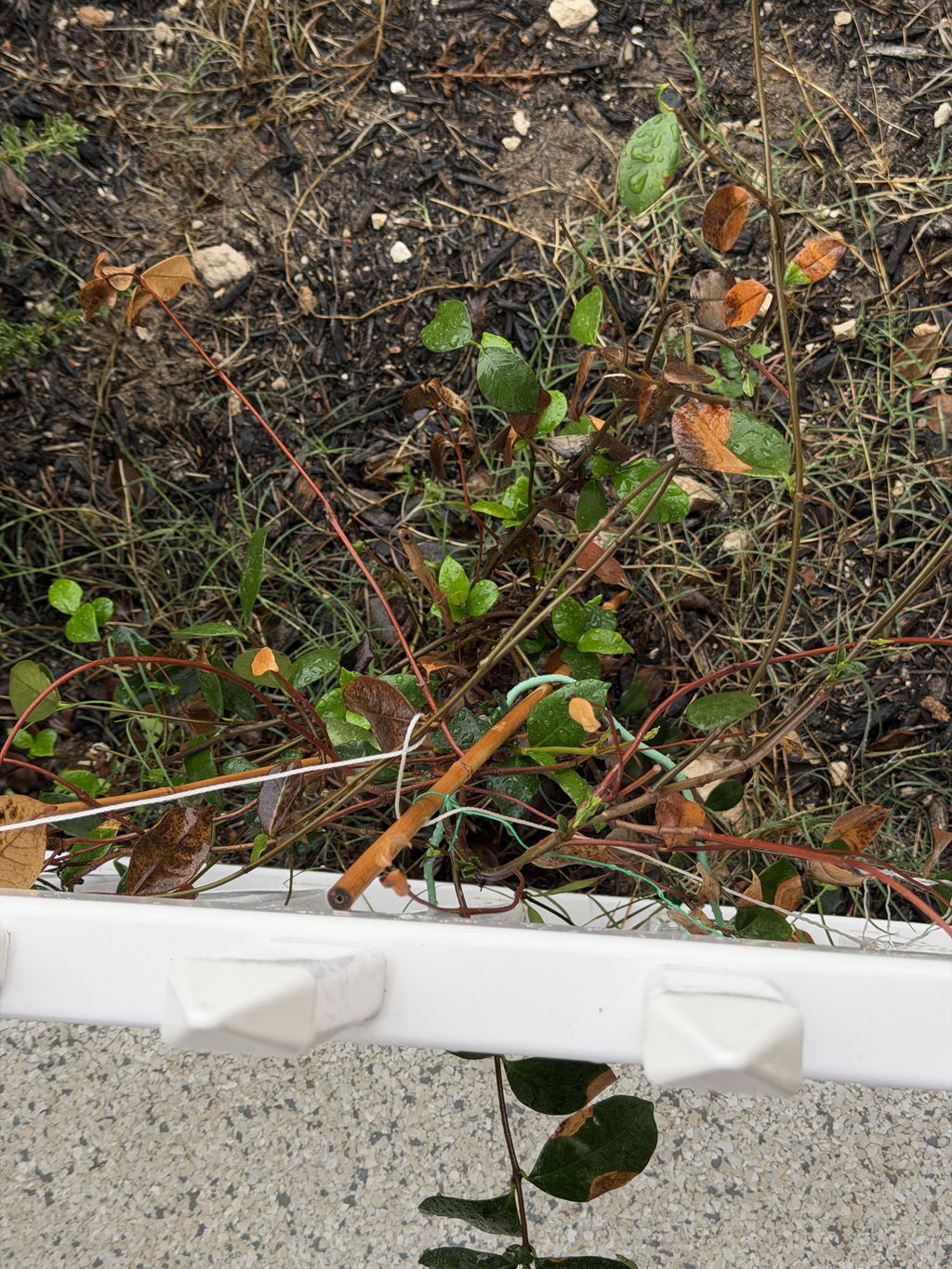
Quick answer: Common signs include midday wilting, leaf rolling or cupping, crispy leaf edges, flower or fruit drop, sunscald, and slowed growth. A plant that recovers overnight may be heat-stressed; one that remains wilted in the morning needs closer attention to soil moisture and roots.
Look for patterns rather than judging the whole plant by one brown leaf. Oregon State University Extension's heat-wave guide notes that sustained temperatures above 90 degrees Fahrenheit can slow growth and cause stress, while symptoms vary with plant type, age, soil moisture, wind, and the length of the heat event.
- Wilting during the hottest hours: Leaves droop when water pressure inside the plant falls. If they recover in the evening or early morning, the plant may be responding to temporary heat. Persistent wilting is more urgent.
- Leaf rolling or cupping: Tomatoes, corn, and other plants may reduce leaf surface area to slow moisture loss.
- Dry or scorched edges: Brown margins can appear when a plant protects its most valuable tissue. They can also resemble disease, so inspect the whole plant and its growing conditions.
- Bud, flower, or fruit drop: Prolonged heat can cause some plants to shed reproductive growth while conserving resources.
- Sunscald: Exposed fruit or tender stems may develop bleached, blistered, watery, or hardened patches after intense sun.
- Slow growth or bolting: Cool-season crops may stop producing quality leaves or flower earlier than expected when temperatures stay high.
Heat symptoms can overlap with pests, disease, compacted soil, root damage, and overwatering. Check the soil before adding more water. If the soil is damp but a plant remains wilted, inspect drainage and roots instead of assuming drought is the only cause.
How can you tell heat stress from drought stress?
Heat stress is driven by excessive temperature and water loss, while drought stress reflects inadequate moisture available to the roots. They often occur together, but the first diagnostic step is different: compare the plant's symptoms with the moisture in its root zone.
| What you notice | What it may suggest | What to check next |
|---|---|---|
| Leaves droop only in the afternoon and recover overnight | Temporary heat load | Morning soil moisture, sun exposure, and airflow |
| Leaves remain limp the next morning | Ongoing drought stress or root trouble | Moisture several inches below the surface and drainage |
| Brown edges with dry soil | Heat and drought together | Slow watering, mulch, and competing weeds |
| Wilted leaves with wet soil | Possible root damage or overwatering | Drainage, compacted soil, pests, and root health |
Use a finger or hand trowel to inspect below the surface near the plant, without damaging shallow roots. Surface soil can look wet after a brief watering while the deeper root zone remains dry. Conversely, saturated soil can limit oxygen around roots even when the leaves look thirsty.
How should you water garden plants during a heat wave?
Water slowly and deeply enough to moisten the active root zone, then check the soil before watering again. Iowa State University Extension recommends conserving soil moisture and watering deeply enough to reach the root zone, rather than relying on a brief surface spray. Do not use a fixed daily schedule for every plant. Soil type, plant size, root depth, rainfall, wind, and container size all change how quickly moisture is lost.
- Check before you water: Probe the soil a few inches below the surface near the plant. If it is cool and moist, wait and check again later. If it is dry, plan a slow soak.
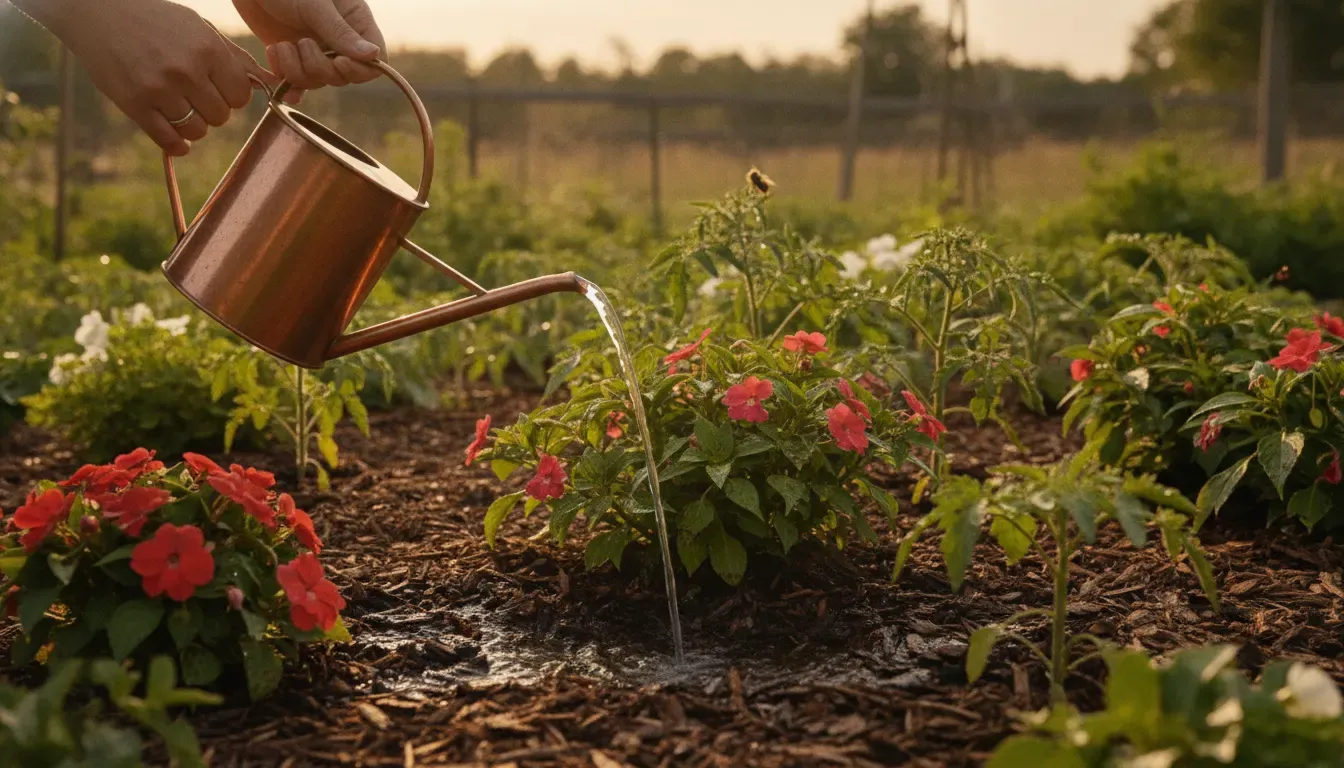
- Water at the base: Direct water to the soil rather than relying on a brief spray over the leaves. This puts moisture where roots can use it and limits evaporation.
- Apply water slowly: Pause if water runs off or pools. A soaker hose, drip line, or gentle watering wand gives water more time to enter the soil.
- Check the depth: Dig a small test hole after watering to see how far moisture moved. A wet surface does not prove that the main root zone is hydrated.
- Adjust for young plants: Seedlings, recent transplants, and shallow-rooted plants dry out faster than established plants. Monitor them more often without keeping them continuously saturated.
Morning is a practical default for routine watering because plants begin the hottest part of the day hydrated and foliage has time to dry. If a plant is severely wilted, do not leave it in a dangerous wilted state simply to wait for a preferred time. Water when you can do so responsibly, then improve the routine for the next day.
Review the mitogrow home garden plant-care and recovery guide
How do mulch and shade reduce summer stress?
Mulch and shade address different parts of the heat problem. Mulch insulates the soil surface and slows evaporation. Shade reduces the amount of direct solar heat reaching leaves and soil. Used carefully, both can buy a stressed garden time to recover.
Use mulch to conserve soil moisture
Apply a consistent layer of organic mulch over the soil, leaving space around stems and crowns. Iowa State University Extension's watering guidance explains that mulch can reduce evaporation and suppress weeds that compete for water. Shredded leaves, weed-free straw, and other suitable organic materials can help. Do not pile mulch against plant stems, and do not use a thick, wet layer that limits airflow or encourages rot.
Mulch works best as part of a watering plan, not as a substitute for checking the soil. If the root zone is already dry, water first or apply water as the mulch is installed so the plant is not sealed beneath a dry surface.
Provide temporary shade with airflow
Move containers to a brighter but temporarily shaded location during the hottest part of a heat wave. For in-ground plants, use shade cloth or another breathable cover held above the foliage. Leave room for airflow and remove or reduce shade when the extreme heat passes. Long-term heavy shade can weaken growth or make plants stretch toward light.
Protect young seedlings and newly transplanted plants first. They have smaller root systems and are less able to buffer rapid changes in soil moisture and temperature.
What should you avoid during extreme summer heat?
- Do not fertilize a visibly wilted plant to force growth. New growth increases demand while the plant is already struggling. In-ground plants may still need a normal nutrition plan later, but wait until moisture and temperature are more stable.
- Do not transplant during the hottest part of a heat wave. Moving roots adds stress when water loss is already high. If a move is unavoidable, reduce exposure and protect the root ball from drying.
- Do not prune heavily just because leaves look brown. Brown tissue may protect living portions of a leaf or branch. Remove clearly dead, broken, or hazardous material, then reassess after conditions improve.
- Do not water by habit after rain. Check the soil. A short shower may wet the surface without restoring the root zone, while a slow soaking rain may mean irrigation can wait.
- Do not keep every plant equally wet. Different species and soils have different needs. Persistent saturation can damage roots and create problems that resemble drought.
Can a plant recover from heat stress?
Many plants can recover from temporary heat stress when living tissue remains and the root zone is restored. Recovery is less predictable after prolonged wilting, severe root damage, or repeated heat and drought events. Give the plant stable moisture, less direct heat, and time before judging the final damage.
Remove only tissue that is clearly dead or dangerous. Watch for firm stems, green buds, renewed leaf posture in the morning, and new growth after temperatures moderate. If symptoms continue despite appropriate soil moisture, investigate pests, disease, drainage, salinity, or root injury rather than applying more water.
For a plant that is already browned and declining after a dry spell, use a recovery-focused process rather than repeating prevention steps. For trees and shrubs, see the mitogrow tree heat-stress recovery guide.
How can a biostimulant support a heat-stressed garden?
Water, shade, mulch, and diagnosis come first. Once the soil is appropriately moist and the plant is no longer in immediate danger, a biostimulant can support the plant's ability to use available resources. mitogrow is positioned as plant fuel, not fertilizer: its patented formula is designed to help plants use nutrients already present more efficiently and support resilience.
For flowers, ornamental beds, and other non-woody plants, Bloom & Bed is the relevant product line. The product page identifies heat waves, drought, and heavy rain as stress situations where it may be used, and directs gardeners to follow the product's application guidance. If your outdoor space includes both garden beds and woody plants, the Outdoor Bundle combines the outdoor formulas for those distinct plant types.
Use the product according to its label and the plant type. A biostimulant cannot replace water, correct light, drainage, or diagnosis, and it should not be presented as an emergency cure for a dead plant.
Explore mitogrow Bloom & Bed for flowers and garden beds
Frequently asked questions
Should I water garden plants every day during a heat wave?
Not automatically. Check moisture below the surface first, then water slowly when the root zone is dry. Young, shallow-rooted, container, or newly planted plants may need more frequent checks than established plants.
Is 100 degrees too hot for garden plants?
It can be stressful, especially when high temperatures persist with wind or dry soil, but tolerance varies by species, maturity, humidity, and root conditions. Use shade, soil checks, and slow watering to reduce the load.
Should I remove heat-damaged leaves?
Wait when possible. Brown edges do not always mean the entire leaf is dead. Remove only clearly dead, diseased, broken, or hazardous material until the plant has had time to stabilize.
What is the fastest way to protect a garden from heat?
Check soil moisture, water the root zone slowly if dry, cover the soil with suitable mulch, and provide temporary shade with airflow. Prioritize seedlings, transplants, containers, and visibly wilted plants.