How to Save Drought Damaged Plants Outdoor Garden
Share
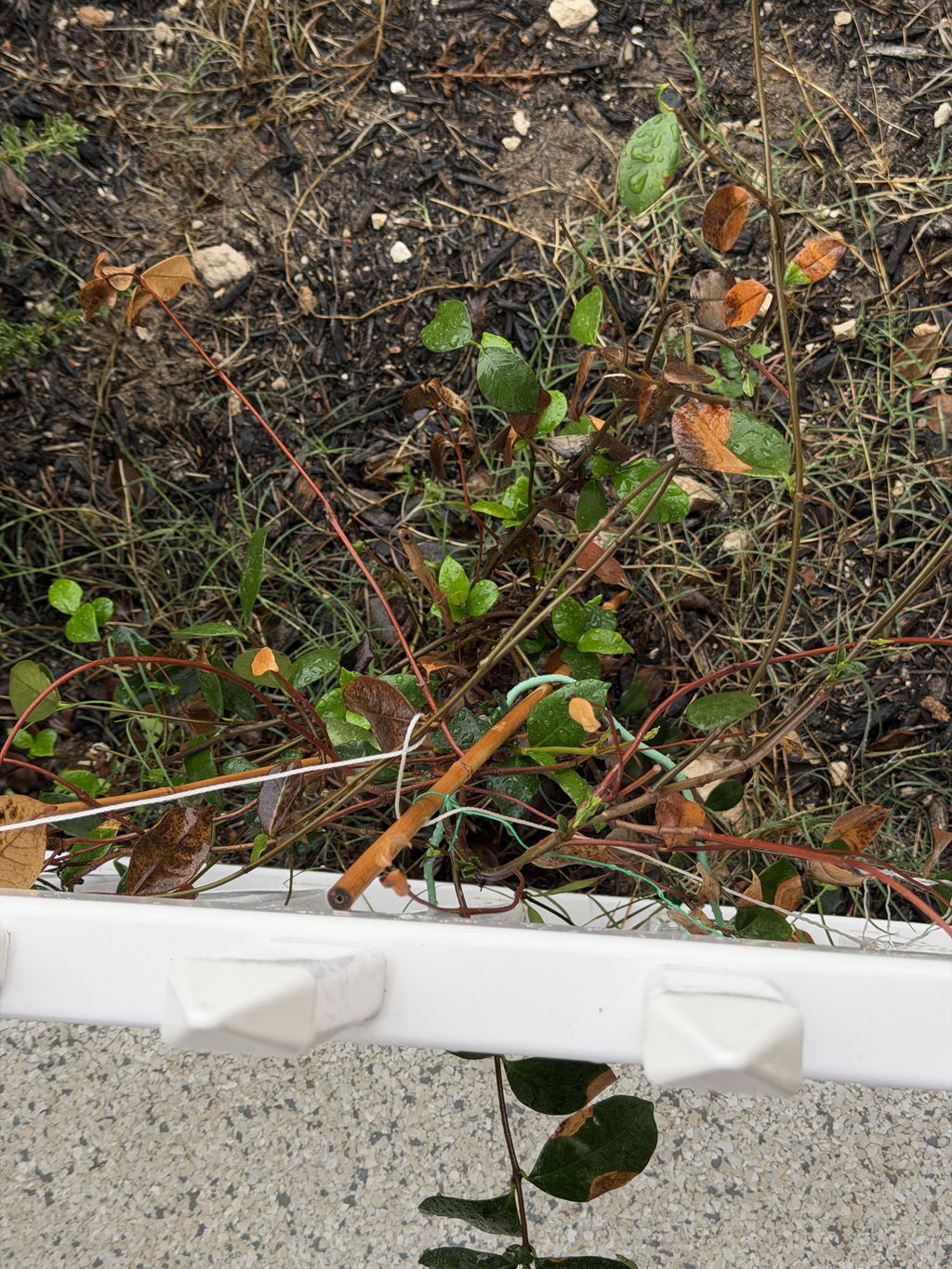
After a drought or heat wave, a garden can look beyond saving: leaves hang limp, edges turn brown, and stems may stop growing. That appearance is serious, but it is not always a final diagnosis. Start with the root zone and living tissue before you prune or replace a plant. A measured recovery plan gives stressed roots the best chance to function again without adding more stress.
Explore mitogrow plant recovery options for your outdoor garden
To understand how to save drought damaged plants outdoor garden, first confirm that living tissue remains, then rehydrate the root zone slowly. Remove only clearly dead growth, and restore the soil conditions the plant needs; recovery is possible for some plants, but it is never guaranteed.
Exact watering needs depend on the plant, soil, weather, container size, and local conditions. Water the soil rather than the foliage, prioritize newly planted, containerized, and visibly stressed plants. And resist the urge to apply fertilizer or cut away every brown leaf immediately. Drought symptoms can also overlap with pests, disease, and nutrient problems, so the weather history matters when you assess the damage. For a broader foundation, review this home garden plant recovery guide.
Next, inspect stems and branches closely. The difference between dormant or stressed tissue and tissue that has truly died determines whether your next move should be patience, targeted care, or removal.
How to Save Drought Damaged Plants in an Outdoor Garden
Quick answer: Drought-stressed plants may still have living green tissue, flexible stems, or viable roots. Confirm before pruning or replacing them. Brown leaves alone do not prove the plant is dead.
Start with the pattern of damage and the weather history. Heatwaves can cause weather damage, but brown leaves, wilting, and dieback can also relate to pests, disease, or nutrient deficiency. Consider what happened over the past several weeks before deciding that drought is the only cause. This broader check helps you avoid treating the wrong problem. The home garden plant recovery guide can help you compare common symptoms.
Signs the plant is stressed, not necessarily dead
Look at the whole plant rather than one damaged leaf. Drought stress may appear as wilting, leaf color changes, reduced growth, dieback, or damage to new growth. Large-leaved plants often wilt first during the hottest part of the day. If leaves remain wilted by morning, the plant is showing a stronger sign of ongoing water stress than it would from temporary midday wilting alone. Brown needles inside an evergreen canopy can also indicate drought stress.
Check for living tissue in more than one location. On a small stem or branch, use a clean fingernail to make a very light scratch through a tiny area of outer bark. Green tissue beneath the bark suggests that section is alive. Brown, dry tissue suggests dieback at that point, but one scratch is not a complete diagnosis. Do not gouge the stem, repeatedly strip bark, or test the main trunk unnecessarily. Move gradually toward the base and stop as soon as you find green tissue.
When damage may be irreversible
Completely dry, brittle stems that snap easily and show no green tissue are unlikely to recover. A plant with extensive dieback, no flexible growth, and severely compromised roots may not survive, even after water returns. Avoid making that decision from the canopy alone. Some plants shed leaves or show brown sections while their crowns, stems, or roots remain viable.
Inspect the root zone carefully if the plant can be lifted without disturbance. Living roots may be firm and lighter inside, while dead roots are often soft, hollow, or decayed. For established plants, avoid pulling them up simply to inspect roots. Instead, check soil moisture near the active root zone and observe whether stems remain flexible. Exact watering needs vary by species, soil, weather, and local conditions. So use these observations to guide the next recovery step rather than assuming every brown plant needs the same treatment.
Emergency Rehydration Steps for a Drought-Damaged Garden
When plants are already wilted or heat-stressed, the goal is to restore moisture to the root zone without creating a second problem. Use this measured protocol. Exact watering needs vary with plant type, soil, weather, and local conditions.
Quick answer: Triage the most valuable plants, check moisture below the surface, then water the soil slowly at the root zone. Pause to check absorption before repeating, and delay feeding until plants stabilize.
- Triage the garden before turning on the hose. Prioritize newly planted, containerized, and high-value plants, along with specimens showing persistent wilt or dieback. Midday wilting may be a heat response, so reassess later. If leaves remain wilted by morning, drought stress is more likely. Use this home garden plant recovery guide when symptoms are unclear.
- Check the soil before adding more water. Push a finger or narrow tool 1 to 2 inches into the soil near, but not against, the stem. If that layer is moist, inspect farther across the root zone instead of watering automatically. If dry, the plant needs irrigation. Containers can dry unevenly, so check more than one location and confirm drainage holes are open.
- Apply water slowly to the root zone. Direct water onto the soil, not the leaves. Early morning is a practical time because cooler temperatures reduce evaporation and give plants time to prepare for heat. Use a soaker hose, drip line, or gentle hand watering. These methods deliver water slowly and efficiently while reducing runoff. Move the water around the root zone instead of concentrating it against the crown or trunk, allowing dry soil to absorb moisture gradually. Stop briefly if water begins pooling or running away.
- Pause, then reassess absorption. Give the soil time to take in the first application. Check the surface and probe again in several spots. If water has penetrated but the soil remains dry deeper down, repeat with another slow application. If it is wet and poorly draining, do not keep adding water. Saturated soil can limit oxygen around roots, and a wilted plant may not recover immediately even after moisture returns.
- Repeat according to conditions, not a fixed schedule. Recheck moisture before each watering. Containers, new plantings, shallow-rooted perennials, sandy soil, and continued heat may need closer observation. Watch for improving leaf posture and firming stems, but do not use temporary appearance alone as permission to soak repeatedly.
- Do not feed immediately. Avoid fertilizer or plant food while roots are severely stressed. Water, assessment, and stable root-zone conditions come first. Once a plant is taking up water and showing signs of stabilization, evaluate whether it needs further support. A biostimulant such as mitogrow may fit a later recovery plan, but it does not replace careful rehydration.
Slow, targeted watering gives damaged roots a better opportunity to absorb moisture without runoff or sudden saturation. Continue observing the plant and soil together, since the visible canopy can lag behind conditions below ground.
How to Prune Drought-Damaged Stems Without Slowing Recovery
Wait to prune until you can separate clearly dead or broken tissue from stressed but living growth. Remove only damaged stems, use a sharp clean tool, and leave healthy canopy in place while the plant rehydrates.
When to wait before cutting
Fresh drought damage can make a plant look worse than it is. Leaves may wilt, curl, brown, or drop while stems and buds remain alive. Give the plant time to respond to appropriate watering and cooler conditions before making major cuts. Exact timing depends on the plant, its roots, soil, weather, and the severity of stress.
Use the recent weather as part of your diagnosis. The Royal Horticultural Society recommends considering weather history alongside possible pests, disease, and nutrient deficiency when you see brown leaves, wilting, or dieback. Read the RHS guidance on weather damage before assuming every brown section should be removed.
How to identify tissue that should come off
Start with the least destructive checks. A stem that is snapped, split, collapsed, or plainly dry can be removed. On woody plants, lightly scratch a small area of outer bark with a clean fingernail or knife edge. Green tissue beneath the bark indicates living tissue, so stop cutting back that section. Brown, dry tissue may be dead, but check farther down the stem before removing it.
When uncertain, wait and observe. Look for swelling buds, flexible stems, green nodes, or new growth after the root zone has received suitable moisture. A few damaged leaves are not a reason to strip an entire branch. The plant still uses living leaves to capture energy while it rebuilds its root and shoot balance.
Prune safely and selectively
Use bypass pruners or a pruning saw that is sharp enough to make a clean cut without crushing the stem. Disinfect the cutting surface before use and between plants when disease could be involved. Cut broken or confirmed dead tissue back to healthy wood or to an appropriate branch junction. Avoid leaving ragged stubs, but do not keep cutting upward simply to make the plant look symmetrical.
During drought, pruning should be limited to dead or dying branches, according to North Carolina State Extension. See the extension guidance on drought-stressed landscapes. Removing live canopy prematurely adds another stress while the plant is already managing limited water. Recheck the plant over the following days and weeks, watching for firm stems, viable buds, and new growth rather than forcing a cosmetic recovery on a fixed schedule.
What Does Soil Need After Extended Drought?
After extended drought, soil needs gradual rehydration, restored pore space, and careful organic matter support. Check how water enters the root zone before adding amendments. If water beads, runs away, or sits in one area, the soil may be compacted, crusted, or unevenly wet.
Check infiltration before changing the soil
Start by testing moisture one to two inches below the surface. This depth gives you a quick indication of whether the upper root zone is still dry, but do not assume it represents every plant. Root depth, soil type, recent weather, and container conditions all affect what a plant can use. Iowa State University Extension recommends checking soil moisture one to two inches deep and irrigating when it is dry. Slow water application helps reduce runoff.
Apply water to the soil, not over the leaves. Directing water toward the root zone improves efficiency and reduces the risk of disease. Watering in the morning also limits evaporation while giving plants time to prepare for heat stress. Let the water soak in, then check whether it is moving outward and downward rather than pooling at the surface. If the ground repels water, use several gentle applications instead of one forceful soaking.
Restore structure without suffocating roots
Extended drought can leave soil hard, shrunken, or difficult to wet evenly. Avoid digging aggressively around stressed plants, since disturbing already-damaged roots can create another setback. Once the soil is workable, loosen only the surface carefully and keep tools away from the main root crown and stems. Healthy soil needs both moisture and air-filled pore space. Waterlogged soil can displace oxygen, while severely compacted soil restricts the movement of water, air, and roots.
Organic matter can improve water-holding capacity, and correctly applied organic amendments can support better soil structure. Work with the existing soil rather than burying a stressed plant in a thick layer of material. Use mature, clean compost or another appropriate amendment, apply it conservatively, and keep it off plant crowns and stems. The aim is to improve contact between water, air, and roots over time, not to force rapid growth while the plant is still recovering.
Support nutrient uptake after water balance returns
Do not treat dry, damaged soil as a signal to immediately add heavy fertilizer. First restore moisture and confirm that drainage is functioning. After the root zone is hydrated and the plant shows signs of living tissue or new growth, a biostimulant may support plant health, resilience, recovery, and nutrient uptake. That support complements soil care; it does not replace water or repair dead roots. For the next step, see this guide to improve plant nutrient uptake.
How Biostimulants Support Recovery After Drought Stress
Answer: A biostimulant may support plant processes after drought, but it cannot replace rehydration, living roots, careful pruning, or suitable soil conditions.
Once the root zone has been rehydrated and clearly dead tissue has been removed, a biostimulant can be considered as a support tool. The order matters. Water availability, root health, drainage, and appropriate pruning determine whether a plant has a foundation for recovery. No product can revive tissue that has died or compensate for roots that remain severely damaged.
mitogrow is a patented biostimulant positioned for plant health, resilience, and recovery. Its role is to support plant processes and nutrient-use efficiency, not to act as a fertilizer or plant food. That distinction is especially important after drought. Adding inputs to dry or damaged roots without addressing moisture and soil conditions can add stress rather than solve the underlying problem.
| Product. | Best fit. | How to use the distinction. |
|---|---|---|
| Bloom & Bed. | Flowers, ornamental beds, and other non-woody outdoor plants. | Consider it for post-stress support after the bed has been watered and assessed. |
| Tree & Shrub. | Trees, shrubs, and other woody landscape plants. | Use the woody-plant option only after checking the root zone, stems, and ongoing water needs. |
For application timing and product-specific guidance, see mitogrow's biostimulant timing for garden beds article. Follow the label and adjust decisions to the plant type, soil, weather, and local conditions. A drought-stressed annual, a perennial, and an established tree may not respond on the same schedule.
What support can and cannot do
Support is most useful when it fits into a broader recovery plan. Continue monitoring moisture at the root zone, avoid disturbing surviving roots, and wait for clearer evidence before making additional pruning decisions. A plant that has green tissue may still need time to show new growth, while a plant with extensive dieback may not recover fully.
Explore the mitogrow Outdoor Bundle for multi-plant recovery support
If you are caring for several plant types, choose based on what is growing in the bed, not on the severity of the symptoms alone. The goal is informed support after the fundamentals are in place, with no guarantee of recovery.
How Long Does It Take an Outdoor Plant to Recover?
There is no single recovery deadline. A lightly wilted annual may regain firmness after its root zone is rehydrated. While a drought-stressed shrub or newly planted tree may need much longer to show meaningful improvement. The timeline depends on the species, root development, severity and duration of damage, soil condition, temperature, wind, and what weather follows. Exact watering needs also vary by plant type, soil, weather, and local conditions.
How long does it take a plant to recover from not enough water?
A mildly stressed plant may perk up within hours after thorough root-zone watering. Severe drought damage can take weeks or longer, and some branches or plants may not recover.
What to watch for during recovery
Judge progress by new and living tissue, not by damaged leaves alone. Leaves that remain wilted by morning are a stronger drought-stress signal than temporary midday wilting. Brown, curled, or dropped leaves may not turn green again, but healthy buds, flexible stems, and new growth can show that the plant is still functioning. For woody plants, lightly scratch a small area of bark with a clean fingernail. Green tissue beneath the surface suggests that the stem is alive. Avoid repeated or deep scratching, which creates another wound.
Check the plant at consistent intervals rather than changing several variables every day. Look for less frequent wilting, stable stems, swelling buds, fresh leaves, and soil that accepts water without staying saturated. Established woody plants may tolerate prolonged drought better than plants with limited root systems. Newly planted trees and shrubs can remain vulnerable while their roots establish, so their recovery may be slower than an established specimen.
When to stop trying
Do not assume every brown section is dead, but do remove tissue that is clearly brittle, hollow, or dead after the plant has had time to stabilize. If an entire stem fails a cautious scratch check, roots are soft and decayed, or decline continues despite appropriate moisture, recovery may not be possible. Consult a local extension office, arborist, or qualified horticulturist when a valuable tree, widespread dieback, or an uncertain diagnosis is involved. Heat, pests, disease, and nutrient problems can resemble drought damage, so weather history should be considered alongside those possibilities.
Choose mitogrow support for plants recovering from drought stress
Frequently Asked Questions
How do you bring an outdoor plant back to life?
Check for living tissue, then water the root zone slowly and thoroughly. Remove only clearly dead or broken growth after assessment, and give the plant time to respond before adding further support.
Can a plant recover after severe drought?
Some plants can recover if living tissue and viable roots remain. Recovery time varies with the plant, root health, damage, weather, and soil conditions. Severely damaged tissue may not return.
What can you add to garden soil after drought damage?
First check whether water can penetrate the root zone and whether roots have adequate air. Carefully applied organic matter or a suitable soil amendment can help restore structure without disturbing surviving roots.
Should you water a damaged garden every day in hot weather?
Do not follow a fixed daily schedule. Check the soil and plant condition, then water according to the species, soil, weather, and local conditions. Prioritize visibly stressed plants and those in containers.
Ready to support your outdoor plants after heat stress?
Once you have assessed the damage, restored moisture gradually, and removed only clearly dead growth. The next step is to support the plant as it rebuilds. mitogrow offers biostimulant plant fuel options for garden beds, flowers, trees, shrubs, and other outdoor plants. Choose the product category that matches the plants you are caring for, then follow the label directions for your conditions.
Learn more about mitogrow plant recovery products for outdoor plants