Transplant Shock in Plants How to Prevent It in 5 Steps
Moving a plant is more than changing its address. Digging, handling, and placing it in unfamiliar soil can disturb roots just when the plant needs them to absorb water and reestablish growth. That is why a healthy tree, shrub, flower, or garden bed may wilt or pause after planting.
For anyone asking transplant shock in plants how to prevent it, protect the root system. Match the plant to a well-prepared site, and keep moisture consistent while new roots form. Transplant shock is the stress of poor root establishment after a move, not proof that the plant is dead (Purdue Extension).
Support new transplants with the mitogrow Tree & Shrub Kit.
The best results come from treating transplanting as a root-establishment process, not a single planting-day task. Before choosing a watering schedule or recovery product, it helps to understand what happens below the soil surface and why site conditions can make the stress worse. For more home garden guidance, browse the Home Garden plant care and recovery hub.
What Is Transplant Shock and Why Does It Happen
Transplant shock is the stress that occurs when a tree or shrub is moved and cannot establish roots effectively in its new location. Purdue Extension defines it as a failure to root well, leaving the plant poorly established in the landscape. The problem is not simply that a plant was dug up. Its root system has been disturbed, while its leaves and stems still need water and energy to function.
What changes when a plant is moved?
Most of a plant's fine feeder roots remain in the original soil or are damaged during digging and handling. The remaining roots must adjust to a new soil environment and begin producing new growth underground. Until that happens, the plant has less capacity to take up water, even when the soil appears damp. This imbalance between the plant's demand and its reduced root system is the central cause of transplant stress.
Moving a plant also changes the conditions around its roots and foliage. Soil texture, drainage, available water, sunlight, and exposure to drying winds all influence how well it performs. The University of Minnesota Extension emphasizes that these site conditions are as important as the plant and the planting method itself. A suitable species placed in compacted, poorly drained, or excessively exposed soil can struggle even when the planting process was careful.
Q: Is transplant shock a disease?
A: No. Transplant shock is a physiological stress response caused by root disturbance and a difficult adjustment to the new site. It can make a plant look unhealthy, but it is not a contagious disease.
Q: Can transplant shock happen to a healthy plant?
A: Yes. A vigorous plant can experience transplant shock because moving it reduces its active root system. Poor drainage, insufficient water, harsh sunlight, or drying wind can increase that stress after planting.
Understanding this root-to-site connection is the foundation of mitogrow's practical approach to transplant care. Prevention starts before the shovel enters the soil: match the plant to the site, protect the roots, and prepare for the water needs of a smaller root system.
Signs Your Plant Is Experiencing Transplant Shock
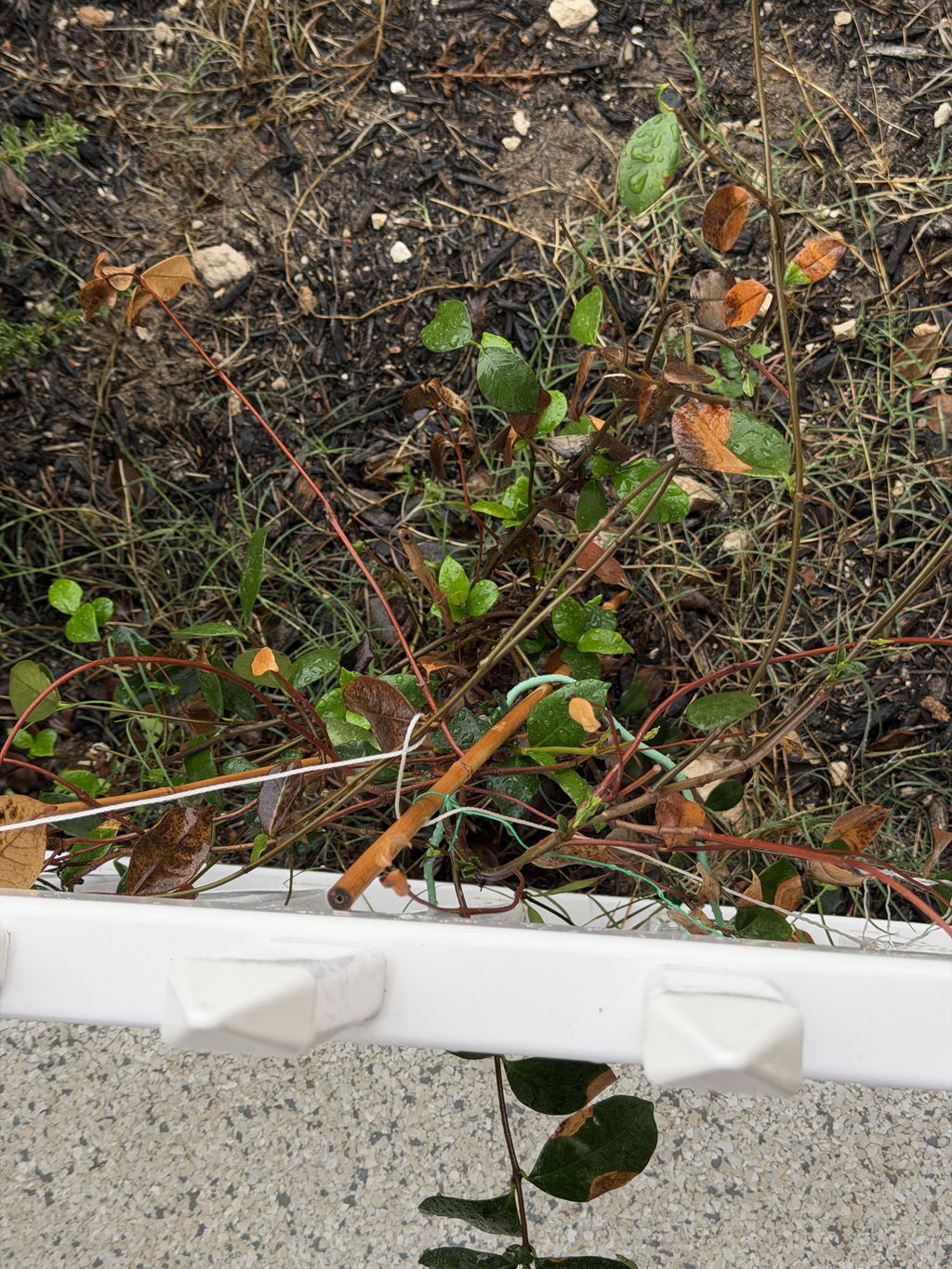
Transplant shock is not always dramatic at first. A recently moved plant may look acceptable while its reduced root system struggles to supply water to the canopy. Watch for changes in leaf color, tissue texture, and overall vigor, especially during hot, dry, or windy weather. Purdue Extension identifies these symptoms as common signs of stress in transplanted trees and shrubs.
What to look for in deciduous plants
On deciduous trees and shrubs, leaf scorch is a key warning sign. The tissue between the veins or along the leaf margins may turn yellow or bronze before drying and becoming brown. Scorched areas can expand when the roots cannot replace water lost through the leaves. This does not necessarily mean the plant is dead, but it does indicate that the canopy is under strain. See the symptom pattern summarized below, based on Purdue Extension guidance on transplant shock.
How evergreens show stress
Needled evergreens often signal water stress differently. Their foliage may take on an overall grey-green color first. If the stress continues, needle tips can turn light tan, followed by dieback in more severely affected growth. Because evergreens retain their needles, the change can be easy to miss when viewed from a distance. Inspect the interior and outer tips closely, and compare the current color with healthy growth on the same plant.
| Plant type | Early signs | Progressive signs |
|---|---|---|
| Deciduous trees and shrubs | Yellowing or bronzing between veins or along leaf margins. | Dry, brown leaf tissue and possible leaf loss. |
| Needled evergreens | Overall grey-green foliage. | Tan needle tips and possible dieback. |
Why water stress is central
New transplants lack the extensive root system needed to absorb enough water for their immediate needs. That imbalance can produce symptoms even when the surrounding soil appears slightly damp. Check moisture at the root ball and surrounding planting area rather than relying on surface appearance alone. Also consider drying wind, intense sunlight, and drainage, since site conditions can increase water loss or limit healthy root function.
Q: Is leaf yellowing always transplant shock?
A: No. Yellowing can have several causes. When it follows a recent move and appears with dry margins, wilting, or poor vigor, transplant-related water stress is one plausible explanation.
How to Prevent Transplant Shock When Planting
The best way to prevent transplant shock in plants is to reduce stress before, during, and immediately after the move. A prepared plant, healthy root system, and suitable planting site give new roots a better chance to establish before the plant loses more water than it can replace.
-
Harden plants off before moving them outdoors
If you are moving seedlings or container-grown plants from an indoor environment, introduce them to outdoor conditions gradually. Cornell recommends moving plants outside one to two weeks before the planned transplanting date. Start in a sheltered location, then increase exposure to outdoor light, wind, and temperature changes as the planting date approaches. Keep the potting mix from drying out during this adjustment period. This gradual transition limits the sudden environmental change that can leave tender foliage and roots struggling on planting day. See Cornell's hardening-off guidance for the recommended timeline.
-
Choose and prepare a site with workable drainage
Inspect the planting area before you dig. Soil texture, sunlight, available water, drainage, and exposure to drying winds all affect how well a plant performs, not just the planting technique. If water remains in the hole or the soil drains poorly, choose a species suited to wet conditions or improve the drainage before planting. The University of Minnesota Extension outlines these site considerations in its guide to planting and transplanting trees and shrubs. Avoid placing a newly moved plant where saturated soil or constant wind will add another stress factor.
-
Inspect roots and correct circling growth
Before setting a container-grown plant into the hole, examine the outside of the root ball. Roots that circle tightly around the perimeter can continue growing in that pattern instead of moving into the surrounding soil. If you find circling or girdling roots, Washington State University's guidance recommends making six to eight vertical cuts through the surface roots. Then spreading the cut root ends outward at planting time. Make clean, deliberate cuts rather than tearing the root ball apart. Read the WSU Hortsense transplant-shock guidance for this root-correction method.
-
Plant promptly and protect the root zone from drying
Keep roots from sitting exposed to sun or drying wind while you work. Set the plant at the appropriate depth, backfill around the roots, and water the planting area thoroughly so the soil settles around the root zone. New transplants have limited root systems and can struggle to absorb enough water to meet their needs, so do not let the root ball dry immediately after planting. A suitable layer of mulch can help retain soil moisture and stabilize root temperatures, but keep mulch away from the trunk or main stems.
What to Do Immediately After Transplanting
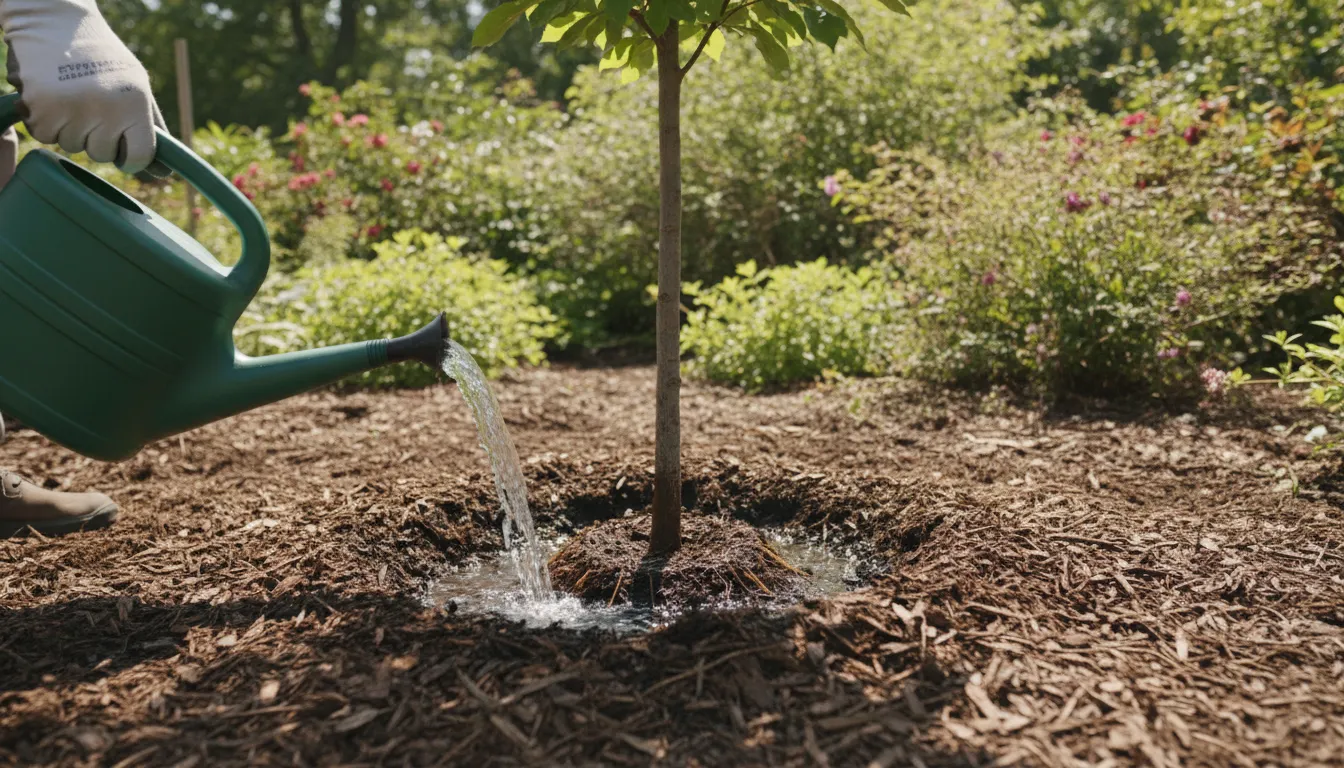
The first priority after transplanting is to reduce water stress while the plant rebuilds its root system. Water the root ball and surrounding soil thoroughly so moisture reaches the full planting area, then monitor it closely as the soil settles. New transplants lack the extensive roots needed to absorb enough water for their needs, making consistent moisture essential during establishment. Purdue Extension explains why watering is critical for recently moved plants.
Water deeply, then check the soil
Apply water slowly enough that it soaks into the root zone instead of running off. Check the soil a few inches below the surface before watering again. It should remain evenly moist, not permanently saturated. Frequency depends on plant size, soil texture, weather, and exposure to drying wind. Wilting, scorched leaf margins, or grey-green needles can signal that the transplant is losing water faster than its reduced root system can replace it.
Add a protective mulch layer
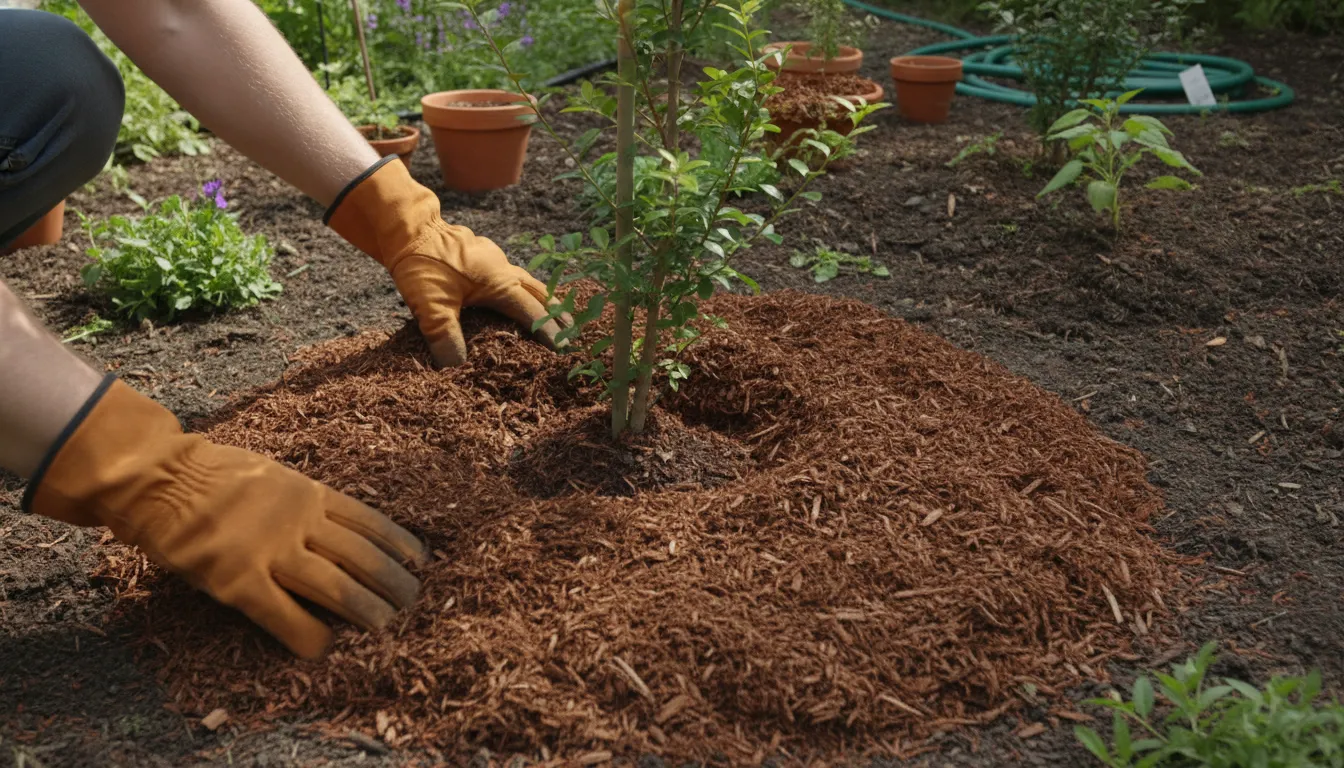
Spread about 2 to 3 inches of organic mulch over the root zone. Keep the mulch several inches away from the trunk or main stems, creating a shallow doughnut rather than a mound. Mulch helps retain soil moisture and moderates root-zone temperature, which reduces the swings that can add stress after planting. Do not use a thicker layer to compensate for poor watering, and do not let mulch stay against the bark. The University of Minnesota Extension recommends proper watering and mulching as part of keeping new and transplanted trees healthy.
Support only when the plant needs it
Inspect the plant after wind or rain. A newly transplanted tree that cannot remain upright because of a loose root ball or exposed site may need temporary staking. Use flexible ties and allow slight movement, which helps the trunk develop strength. Remove the support once the root system can hold the plant securely. Avoid tying a tree tightly for an entire growing season.
Hold off on heavy pruning and strong fertilizer applications immediately after planting. The plant needs to direct energy toward root recovery, and excess fertilizer can add salt stress when roots are vulnerable. Focus first on water, mulch, stability, and observation. Winter protection may also be necessary in cold or exposed locations, depending on the plant and climate.
Q: What is the fastest way to reduce transplant stress?
Water the root zone thoroughly, maintain even moisture, apply a properly spaced mulch layer, and protect unstable plants from wind while roots establish.
How Root Support Products Speed Recovery From Transplant Shock
Once a plant is moved, recovery depends on rebuilding a functional root system, not simply adding more nutrients. Roots must reconnect with the surrounding soil, access water, and begin supporting new growth while the plant is already under stress. That is why a root-support product can be useful alongside careful planting, watering, and mulching.
mitogrow is a biostimulant, sometimes described as plant fuel or electrolytes. It is not a fertilizer. Its purpose is to support the plant's natural processes during demanding periods such as transplanting. For a deeper look at how these products work, read our guide to what a biostimulant is. The formula combines IBA, sea kelp, B vitamins B1, B3, and B6, and mycorrhizae. Together, these ingredients are designed to support root establishment and improve the plant's ability to use available resources.
Why roots are the recovery bottleneck
A recently transplanted plant may have fewer functioning roots than it had before the move. That limits water and nutrient uptake even when the soil contains adequate resources. Supporting root development helps address the underlying problem instead of trying to compensate for stressed foliage with repeated surface treatments.
According to mitogrow's product research, the blend can enhance nutrient uptake by 50%. The practical implication is not that a transplant can be forced to grow instantly. Rather, stronger root function can help the plant establish more efficiently while it adjusts to its new site. The Texas A&M research cited by mitogrow also examined biostimulant effects on root mass and recovery under stress.
Use root support as part of a complete recovery plan
A biostimulant cannot correct a planting hole with poor drainage, a root ball planted too deeply, or a transplant that is allowed to dry out. Apply it within a sound recovery plan: place the plant correctly, water the root zone thoroughly. Maintain consistent moisture without creating saturated soil, and use mulch to moderate moisture and root temperatures. This approach keeps the product in its proper role: support for establishment, not a substitute for sound horticulture.
For trees and shrubs, the Tree & Shrub Kit can help reduce transplant stress as part of that process. You can also review the science behind root establishment for more detail on the formula and its intended use. The same resilience principle has been applied in demanding restoration work, including mitogrow's involvement with the Lahaina Banyan restoration project after severe environmental trauma.
Root support is most valuable when used early, before stress compounds. Begin at transplanting, follow the product directions, and continue monitoring moisture, foliage, and new growth. That gives the plant the conditions it needs to move from survival toward stable establishment.
If you are readying trees for a project, these root-establishment principles also apply at scale: see how to improve tree transplant success rates for landscapers and commercial crews.
Contact mitogrow for help planning healthier transplants.
Frequently Asked Questions
How long does transplant shock last?
Recovery varies with plant size, species, root damage, and site conditions. Woody ornamentals may take up to five years to fully establish in a new location, according to Montana State University Extension.
What are the first signs of transplant shock?
Watch for wilting, leaf scorch, yellow or bronzed tissue between veins, and brown, dry leaf margins. Needled evergreens may turn grey-green first, followed by tan needle tips when water stress worsens. Purdue Extension documents these symptoms.
Can a plant recover from transplant shock?
Yes, many plants recover when root disturbance and water stress are reduced. Keep the root zone consistently watered, apply proper mulch, and protect the plant from additional stress while new roots establish.
Should I prune a plant after transplanting?
Avoid heavy pruning immediately after moving a plant unless you are removing damaged, dead, or diseased material. The priority is preserving healthy leaves and roots while the plant reestablishes its water supply.
How can I prevent transplant shock before planting?
Choose a site with suitable light and drainage, harden off tender plants outdoors for one to two weeks, and correct circling or girdling roots at planting. These steps address common causes of poor establishment.
Schedule Help for Healthier Transplants
Good preparation and steady aftercare give transplanted trees, shrubs, flowers, and beds a stronger start. If you want guidance choosing the right approach for your plants, reach out to mitogrow about helping your transplants establish and recover.