The Best Biostimulant for Plants by Type and Need
A plant that is struggling after transplanting, heat, drought, or a long winter does not always need more inputs. It may need support with root development, nutrient uptake, and recovery. The right biostimulant should match the plant's species, growth stage, and growing conditions rather than promise one formula for every situation.
The best biostimulant for plants is a science-backed formula matched to the plant type and applied at the correct rate and timing. The patented mitogrow blend combines IBA, sea kelp, B vitamins, and mycorrhizae fungi to support establishment, resilience, and recovery, with specialized application rates for trees and shrubs, flowers and beds, and indoor or container plants.
Shop mitogrow Tree & Shrub for woody plants
That distinction matters because biostimulants support how plants use resources, while fertilizers supply nutrients. For a helpful foundation, start with understanding what a plant biostimulant does. Then use the criteria below to choose a formula that fits the plant in front of you.
What to Look for in the Best Biostimulant for Plants
Choosing a biostimulant starts with the plant, not the label. A formula that supports a newly transplanted tree may not be the right fit for a flowering bed or a houseplant growing in a container. Research shows that biostimulant responses can be species-specific and depend on the plant's physiological needs when the product is applied. Understanding what a plant biostimulant does makes it easier to evaluate a product beyond broad promises about growth.
Match the ingredients to the plant's needs
Look for an ingredient profile that aligns with the outcome you want. Root-focused plants may benefit from ingredients associated with auxin activity, while stressed plants may need support for resilience and recovery. Seaweed extracts are widely recognized as biostimulants that can improve soil-plant systems, and they contain naturally occurring compounds such as auxins and cytokinins. See the research on seaweed extracts and plant health for context.
mitogrow uses a patented blend of IBA, sea kelp, B vitamins B1, B3, and B6, and mycorrhizae fungi. The combination is designed to support root development, plant processes, and the relationship between roots and beneficial soil organisms. It is a biostimulant, not a source of basic nutrition, so it should complement a sound fertility and watering plan rather than replace one.
Consider timing and growing conditions
Application timing matters. Biostimulants can perform differently during establishment, active vegetative growth, flowering, or recovery from stress, and research identifies specific growth stages as more responsive than others. Follow the product directions for the plant type and apply when the plant can use that support effectively.
Also consider the root environment. Soil temperature and pH can affect the availability and uptake of biostimulant components. A product cannot compensate for waterlogged soil, severe nutrient deficiency, compacted roots, or conditions far outside the plant's needs. Correct those fundamentals first, then use a biostimulant as part of the broader care routine.
Favor a low, clearly defined dose and credible science
More is not automatically better. Biostimulants typically work at much lower concentrations than conventional nutrient products, so a precise application rate is an important sign of responsible formulation. Avoid products that encourage repeated heavy applications without explaining the intended dose, plant category, or use stage.
Finally, look for a transparent ingredient list, clear directions, and science that supports the product's mechanism rather than vague claims. The best choice is the formula that fits the plant, the season, and the growing conditions, with evidence and instructions you can evaluate.
Biostimulant for Trees and Woody Plants
Trees and woody plants invest heavily in their root systems, especially during germination, transplanting, and the first seasons after planting. A stressed root ball can leave a sapling slow to establish, while transplant shock can show up as wilted foliage, stalled growth, or dieback. A targeted biostimulant supports the biological processes that help roots reconnect with the surrounding soil and sustain new growth.
Support root development and establishment
mitogrow Tree & Shrub is formulated for the needs of woody plants, with a patented blend of IBA, sea kelp, B vitamins, and mycorrhizae fungi. IBA is an auxin associated with root development, and research links the root-architecture benefits of biostimulants to auxin-like effects that encourage root elongation and branching. Read the research on auxin-related root development.
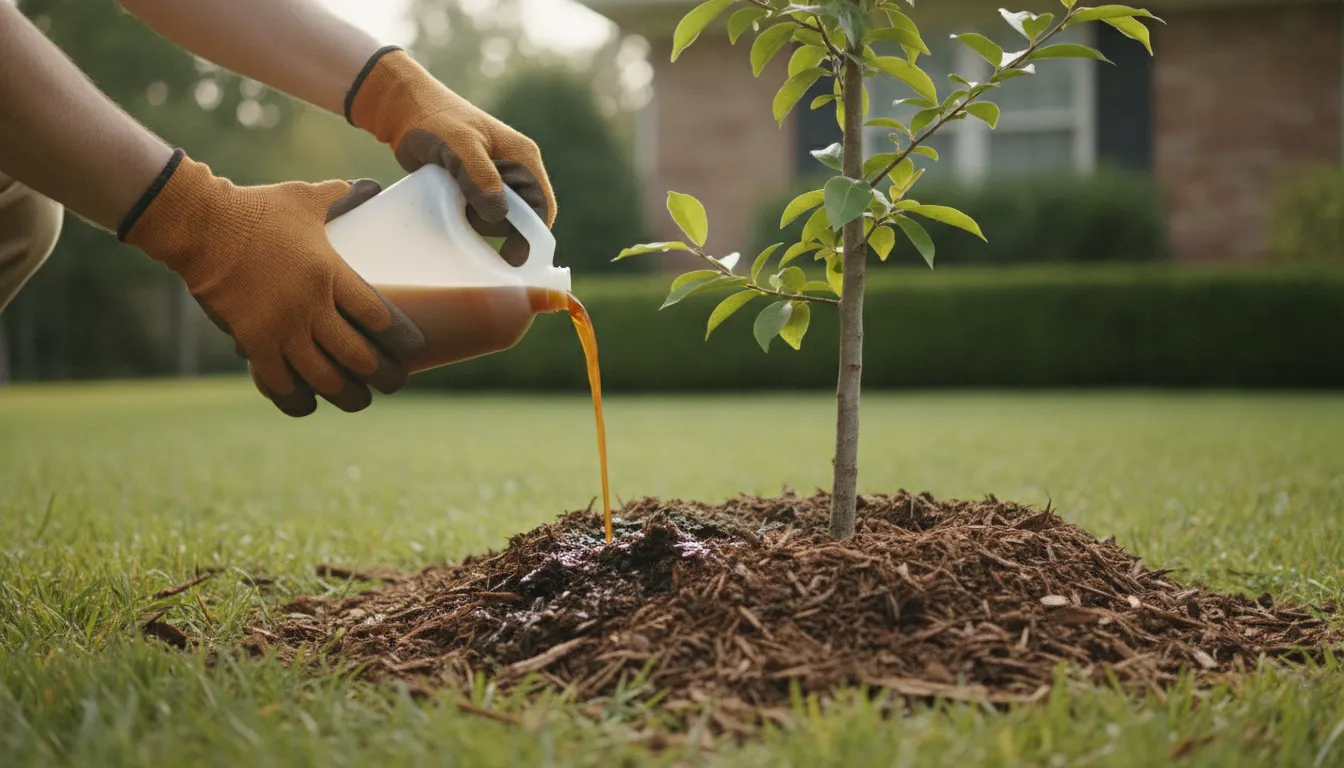
That support matters when planting a new sapling or moving an established tree. More effective root establishment gives the plant a stronger foundation for accessing water and available nutrients. Biostimulants do not replace sound planting practices, adequate moisture, or a suitable site. They work alongside those fundamentals by helping the plant make better use of its root zone.
Strengthen the plant-microbe relationship
Mycorrhizae fungi are beneficial soil partners that interact with plant roots. Microbial biostimulants work by strengthening plant-microbe symbioses, which can improve the relationship between roots and the surrounding soil community. Learn more about microbial symbiosis in the root zone.
This is particularly relevant after transplanting, when a tree's roots have been disturbed, and for young plants still building their root systems. For established trees, the same approach can help support recovery after seasonal stress, pruning, drought, or other conditions that challenge normal growth. Since nutrient availability only helps when roots can access it, understanding how plants improve nutrient uptake is an important part of the overall care plan.
Apply the mitogrow Tree & Shrub formula according to its label directions and plant timing. Used as part of consistent tree care, it gives saplings, transplanted specimens, and established woody plants targeted plant fuel for root establishment and resilience.
Biostimulant for Flowers and Garden Beds
Flowering plants and edible beds face a demanding combination of priorities. They need to build roots, produce leaves or blooms, and keep functioning when heat or limited water slows growth. A biostimulant supports those processes by improving how the plant uses available resources, rather than replacing a complete nutrition program. Research indicates that biostimulants can improve fruit and vegetable yields under heat and water stress. Results depend on the species, growing conditions, and application timing. mitogrow Bloom & Bed is formulated for this part of the garden.
Support for blooms and seasonal stress
For roses, annuals, perennials, and other flowering plants, the goal is not simply more vegetative growth. Stronger establishment and steadier nutrient uptake can help plants maintain the energy needed for flowering when weather turns hot or dry. Foliar biostimulant applications have been associated with improved crop resilience under field stress, giving gardeners another way to support plants when the root zone is temporarily under pressure. Apply according to the product directions and the plant's growth stage, since a treatment that suits an actively growing plant may not suit a dormant or newly transplanted one.
More efficient use of nutrients in vegetables
Garden beds also benefit from attention to the root-zone biology. Research on Trichoderma-based biostimulants found improved nitrogen uptake efficiency, yield, and nutritional quality in leafy vegetables. That does not mean every vegetable responds identically. Leafy greens, fruiting vegetables, herbs, and root crops have different nutritional demands and timelines, so observe plant response rather than assuming one schedule fits the entire bed. Biostimulants work alongside appropriate soil preparation, irrigation, and nutrition.
Why formula and species match matter
Bloom & Bed uses mitogrow's patented blend of IBA, sea kelp, B vitamins, and mycorrhizae fungi, with an application rate tailored to flowers and garden beds. Those ingredients are intended to support nutrient uptake, establishment, and resilience, including water-use responses that help plants maintain function during dry periods. The best biostimulant for plants is therefore not a universal promise. It is the formula that matches the plant type and the stress you are managing. For mixed beds, begin with the label directions, monitor new growth and flowering, and adjust future applications based on the species-specific response.
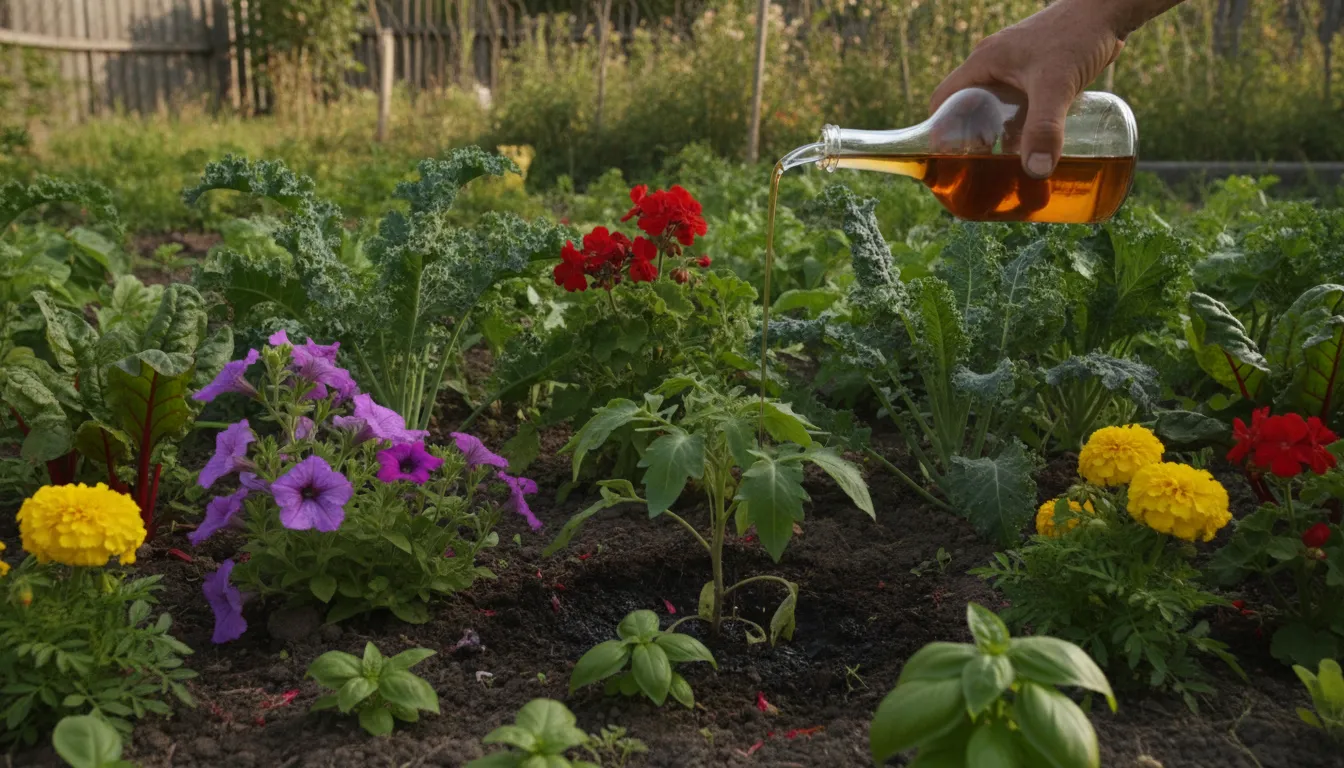
For the research behind biostimulant action, see the science behind plant biostimulants. The academic evidence on stress-related yield response, foliar resilience, and water-use efficiency is summarized in this biostimulant overview.
Biostimulant for Indoor and Container Plants
Houseplants and container plants face a constraint that landscape plants often do not: their roots have access to a limited volume of soil. That makes consistent, gentle delivery especially important. In a large garden bed, roots can explore fresh soil and moisture zones. In a pot, the same root system must work within a confined medium where watering, drainage, pH, and temperature can change quickly.
For that reason, mitogrow Pots & Planters is the formula to consider for indoor plants, patio containers, hanging baskets, and other plants growing in restricted soil. It uses the same patented blend of IBA, sea kelp, B vitamins, and mycorrhizae fungi as the broader mitogrow line, with an application rate suited to this plant environment.
Why liquids work well in limited soil
Liquid application can distribute a biostimulant through the container medium more evenly than trying to amend a small root zone with a concentrated material. This is useful when a plant is recovering from repotting, inconsistent watering, heat near a window, or another low-level stress. Biostimulants are generally effective at much lower concentrations than conventional nutrient inputs, so a low-stress approach is the right starting point. Follow the product label rather than assuming that more product will produce a faster response. Research on biostimulants supports the importance of appropriate concentration and application conditions.
When foliar application makes sense
A foliar spray offers a second route when the leaves are accessible and the root zone is temporarily compromised. Foliar application bypasses the root system and can support more rapid uptake of a biostimulant, making it practical for visible, above-soil stress. Apply carefully and avoid treating leaves that are wet, scorched, or exposed to intense direct sun. The goal is steady support, not repeated heavy applications.
Container conditions still matter. Soil pH and temperature can affect the availability and uptake of biostimulant components, so correct drainage, suitable potting media, and stable placement remain foundational. Keep microbial-containing products stored according to the manufacturer's instructions because improper storage can reduce the longevity of beneficial organisms. For indoor and container plants, the best program pairs a formula designed for the root-zone size with conservative application, sensible environmental care, and close observation of how each species responds.
Biostimulant vs Root Stimulator: Which Do You Need
A root stimulator and a biostimulant can both support establishment, but they are not interchangeable. A conventional root stimulator is usually a focused synthetic auxin product, often using indole-3-butyric acid (IBA), to encourage root initiation and early root development. That narrow purpose makes it useful when the primary challenge is getting roots started.
A biostimulant takes a wider approach. Seaweed extracts are recognized for improving soil-plant systems, and seaweed can supply naturally occurring compounds with auxin-like and cytokinin-like activity. Humic substances can also improve nutrient availability by helping chelate minerals and improve soil structure. These ingredients support the conditions around the root system rather than targeting root initiation alone.
| Factor | Root stimulator | mitogrow biostimulant |
|---|---|---|
| Primary ingredients | Typically a synthetic auxin such as IBA. | IBA combined with kelp, B vitamins, and mycorrhizae. |
| Main purpose | Encourage root initiation and early root development. | Support root development, nutrient uptake, establishment, and whole-plant resilience. |
| Best fit | A narrowly defined propagation or transplanting need focused on new roots. | Plants that need broader support during establishment, recovery, active growth, or environmental stress. |
| How it works | Uses an auxin signal to influence root formation. | Pairs an auxin signal with seaweed compounds, vitamins, and beneficial root-associated fungi. |
| Application mindset | Use for the specific root-initiation purpose stated on the label. | Use at the labeled low dose and match the formula and timing to the plant's needs. |
Choose a root stimulator when you only need a targeted root-initiation aid. Choose mitogrow when you want root support plus a broader plant-care strategy. Biostimulants are effective at much lower concentrations than conventional fertilizers, so more product is not better. Follow the label, and do not treat either option as a replacement for correcting poor soil, watering, light, or nutrition. For scientific context, see research on seaweed extracts as biostimulants and the overview of auxin-like effects in biostimulant treatments.
Find your formula: shop mitogrow Bloom & Bed for flowers and beds
Which mitogrow Formula Is Right for Your Plants?
Three matching questions quickly narrow the choice. Are you planting or transplanting woody plants such as trees, shrubs, or vines? Choose the Tree & Shrub formula. Are you supporting flowers, vegetables, or mixed garden beds? Choose Bloom & Bed. Are your plants growing in pots, planters, or indoors? Choose Pots & Planters. Match the formula to the growing environment, follow the label rate, and track how the plant responds across a season.
Frequently Asked Questions
What is the best biostimulant for plants?
The best biostimulant for plants is the formula that matches the plant's setting and growth goal. Choose a Tree & Shrub formula for woody plants and transplant establishment, Bloom & Bed for flowering plants and garden beds, or Pots & Planters for indoor and container plants. A complete formula may support nutrient uptake, establishment, resilience, and recovery without replacing a fertilizer when plants need nutrients.
Do biostimulants really help plants grow?
Yes. Biostimulants help plants use available resources more effectively by supporting processes such as nutrient uptake, root development, resilience, and recovery. They are not fertilizer or plant food, so they do not supply the primary nutrients a deficient plant lacks. Use a biostimulant alongside a sound growing plan, appropriate moisture, light, and nutrition.
What is an example of a plant biostimulant?
Sea kelp is one example of a plant biostimulant ingredient. Other examples include beneficial mycorrhizae fungi, humic substances, and targeted plant compounds such as IBA. A finished formula can combine complementary ingredients, such as sea kelp, B vitamins, IBA, and mycorrhizae fungi, to support several stages of plant performance.
How do I choose a biostimulant for tomatoes or other garden plants?
Start with the plant's location and current objective. For tomatoes, vegetables, flowers, and mixed beds, choose a formula designed for garden-bed use, then follow its label for timing and dose. For plants in containers, choose a container-specific liquid formula instead. Match the product to the growing environment rather than treating every plant with the same formula.
Choose mitogrow Pots & Planters for indoor and container plants
Ready to choose the right formula?
Plants respond best when their biostimulant matches their growing conditions and stage. A quick conversation can help you narrow the options without guesswork. Call mitogrow at +1 877-365-8733 to schedule a consultation and find the right biostimulant formula for your plants.